Plan International has raised urgent concerns about the prolonged mental health effects caused by the recent earthquakes in Venezuela. The organization emphasized that the psychological and emotional impact of these natural disasters on children and young people can endure for many years following the events. Mental health experts at Plan International warn that the traumas experienced may manifest in various forms such as anxiety, depression, post-traumatic stress disorder (PTSD), and other stress-related conditions, affecting the well-being and development of younger populations.
In the wake of the earthquakes, the organization has called on the Venezuelan government and international humanitarian agencies to prioritize children and youth in all emergency response and recovery efforts. This attention is critical, Plan International argues, to ensure that these vulnerable groups receive immediate psychological support alongside physical aid such as food, shelter, and medical care.
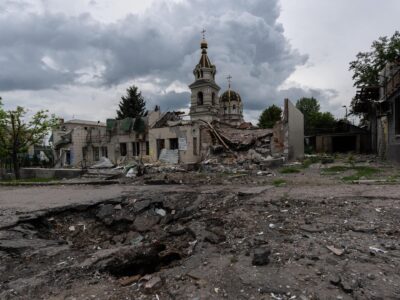
The recent seismic activity in Venezuela has devastated multiple communities, causing widespread destruction of homes, schools, and infrastructure. Children and young people, who rely heavily on stable environments for their growth and education, have been disproportionately affected. Displacement, loss of family members, and disruption to education contribute to an environment of heightened vulnerability.
Plan International’s statement highlights the need for mental health services to become an integral part of disaster response strategies. These services should include trauma counseling, psychosocial support, and community-based programs aimed at fostering resilience. Importantly, interventions must be designed with input from children and youth themselves to effectively meet their needs and build trust.
The organization also stressed the importance of training local health workers and educators to recognize and address mental health issues arising from disaster trauma. By doing so, communities can develop sustainable support systems beyond the immediate response phase.
In addition to mental health care, Plan International advocates for inclusive recovery plans that restore education and safe spaces for children. Re-establishing schools and recreational centers is essential for returning a sense of normalcy and security.
This call to action comes amid ongoing challenges faced by Venezuela, where limited resources and economic difficulties complicate disaster response efforts. International cooperation and funding are deemed crucial to bolster the country’s capacity to support affected communities.
Plan International’s focus on the long-lasting mental health impact highlights a broader recognition in the humanitarian community about the need for holistic disaster interventions. As the recovery in Venezuela unfolds, placing children and young people at the core of these efforts is vital for the country’s future stability and well-being.
In summary, the mental health consequences of Venezuela’s recent earthquakes are anticipated to last well beyond the immediate aftermath, demanding sustained attention and tailored support. Plan International urges all stakeholders to act decisively to protect the psychological welfare of the nation’s youth and foster resilient, healthy communities in the years to come.