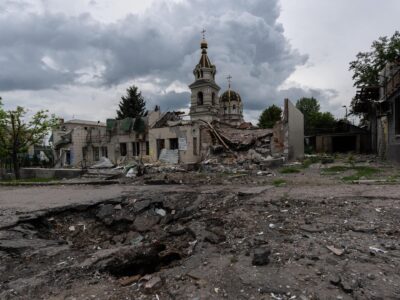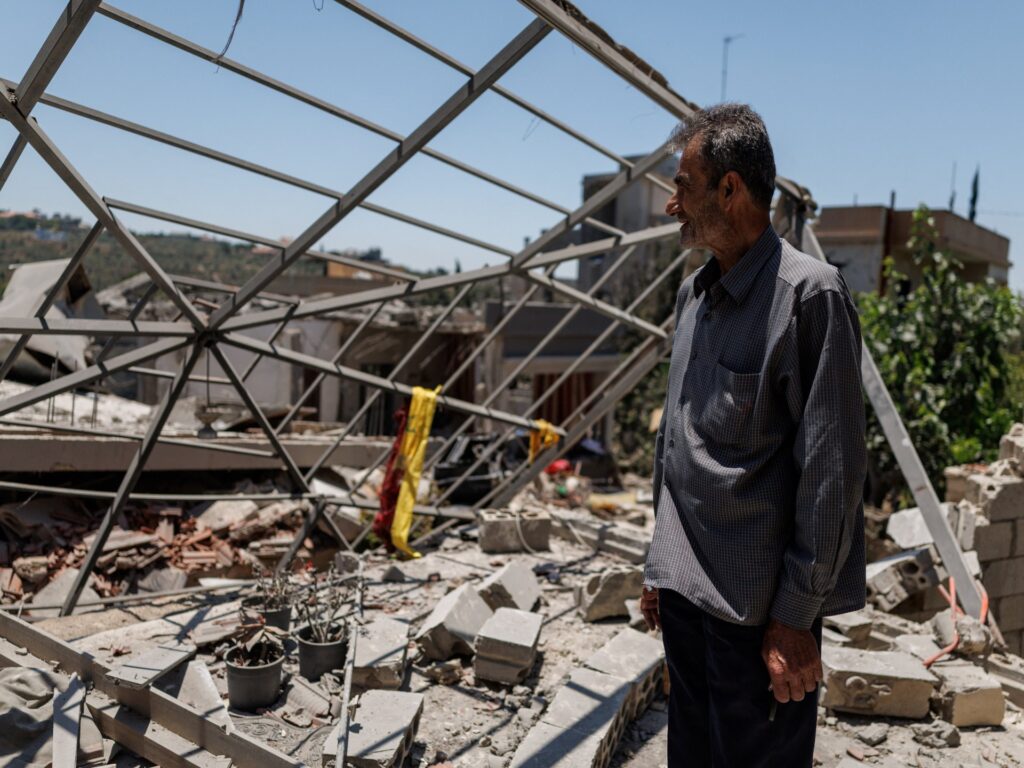
In a significant escalation of tensions in the Middle East, Israel has launched attacks on Lebanon, with Israeli Prime Minister Benjamin Netanyahu declaring that Israeli troops will remain in the occupied areas of southern Lebanon “as long as necessary.” This development comes despite ongoing diplomatic efforts, including the recent US-Iran deal aimed at stabilizing the region.
The conflict has deep historical roots, with southern Lebanon often serving as a flashpoint due to the presence of Hezbollah and other militant groups opposed to Israeli security. Netanyahu’s statement underscores Israel’s commitment to maintaining a security stronghold in the area to prevent cross-border attacks, which have periodically escalated into wider conflicts.
The Israeli military strikes are reported to focus on key targets believed to be associated with Hezbollah, aiming to undermine the group’s operational capabilities. The Israeli government insists that the continued military occupation of southern Lebanon is necessary to protect Israeli citizens from rocket attacks and infiltration attempts.
International reactions have been mixed, with some countries expressing concern over escalating violence, while others emphasize the importance of Israel’s right to self-defense. The US administration, despite recently engaging in a nuclear deal with Iran, has not signaled any immediate shift in its support for Israeli security operations.
The ongoing presence of Israeli troops in southern Lebanon is a sensitive topic, as it involves issues of sovereignty and the potential for further clashes. Netanyahu’s resolve suggests that Israel prioritizes a hardline approach to security in the region, potentially complicating diplomatic relations.
Lebanese authorities have condemned the attacks and the continued Israeli military presence, calling for respect for Lebanon’s territorial sovereignty. The situation raises fears of broader instability, potentially drawing in regional and international players into a wider conflict.
Analysts warn that unless a comprehensive and mutually acceptable peace agreement is reached, tensions may continue to flare. The US-Iran deal, while a step toward broader regional diplomacy, has yet to impact the immediate dynamics between Israel and Lebanon significantly.
The situation remains fluid, with both sides closely monitoring developments and the potential for further escalations. Civilians in the affected areas face heightened risks as the conflict unfolds, underscoring the urgent need for diplomatic intervention and conflict resolution efforts.
In summary, the recent Israeli attacks on Lebanon and Netanyahu’s declaration to maintain troops in southern Lebanon highlight the ongoing volatility in the region. This development signals continued military engagement despite diplomatic efforts, reflecting deep-seated security concerns and the complex interplay of regional politics.