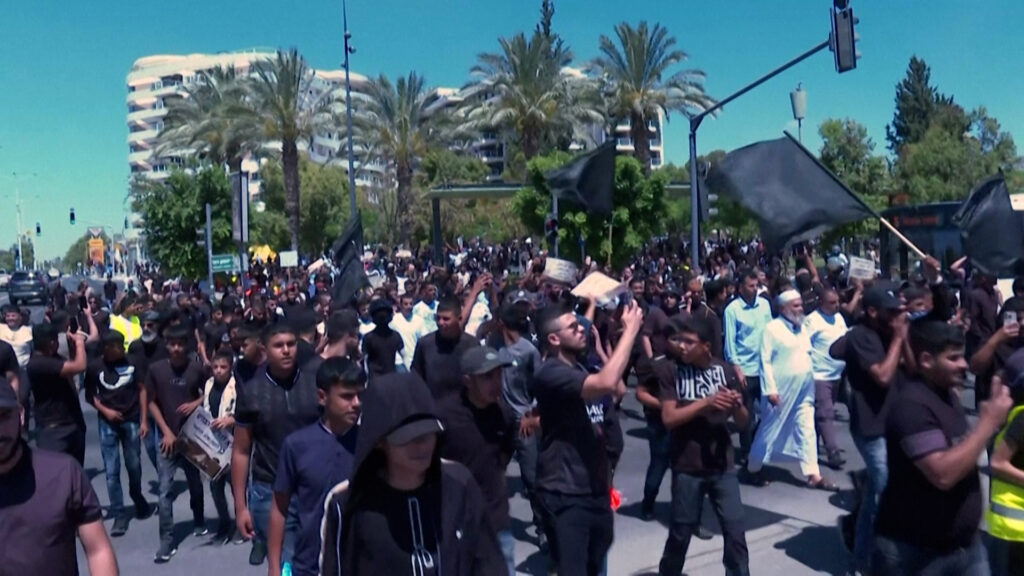
In recent weeks, Bedouin communities in the Negev Desert have been actively protesting against Israel’s home demolition policy. The policy, which involves the demolition of homes deemed illegal by Israeli authorities, has sparked widespread outrage among the Bedouins, who view it as a threat to their traditional way of life.
The Negev Desert, located in southern Israel, is home to a significant population of Bedouins—nomadic Arab tribes with deep historical roots in the region. Many of their villages are considered unrecognized by the Israeli government, leading to a lack of basic services and infrastructure. This non-recognition also renders their homes vulnerable to demolition under planning laws.
Activists and residents argue that the demolition policy disproportionately targets Bedouin communities, exacerbating social and economic hardships. They claim the actions violate human rights and hinder efforts toward equitable development and peaceful coexistence.
Recent protests have included demonstrations, roadblocks, and public gatherings to raise awareness about the issue. Protesters have called on both Israeli authorities and the international community to reconsider the policy and seek more humane solutions that respect Bedouin rights.
Israeli officials defend the demolitions as necessary enforcement of zoning and building regulations aimed at maintaining order and development plans in the Negev. They assert that residents are encouraged to relocate to planned towns to receive services and infrastructure.
The conflict highlights a larger debate over land rights, minority recognition, and state development priorities in Israel. It underscores the challenges of balancing national security and urban planning with cultural preservation and human rights.
The Bedouin protests in the Negev Desert draw attention to the urgent need for dialogue and policies that accommodate the unique cultural and historical status of Bedouin communities. Advocates urge inclusive approaches that foster cooperation rather than confrontation.
The situation remains tense, with ongoing demolitions and continued resistance from Bedouin groups and their supporters. Observers emphasize the importance of peaceful negotiations and interventions to prevent escalation and ensure justice and dignity for all parties involved.
As the Bedouin communities highlight their plight on the local and international stage, the discussion regarding Israel’s home demolition policy in the Negev Desert is likely to continue, shaping the future of the region and its diverse inhabitants.