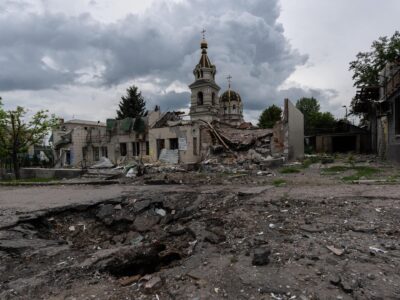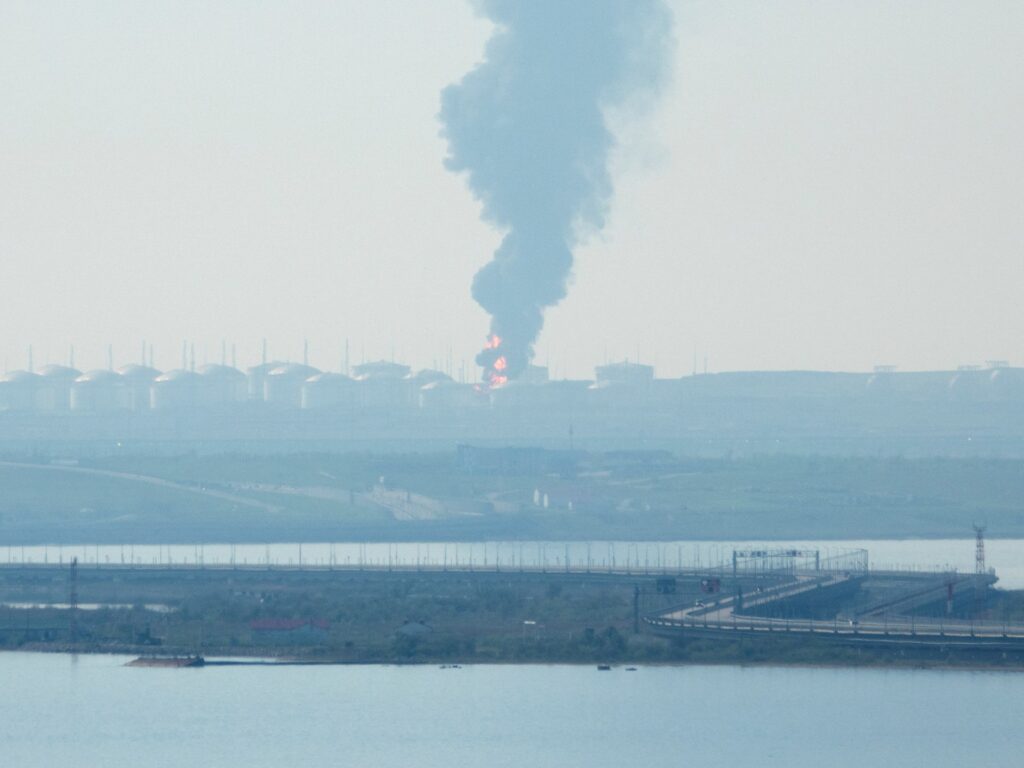
In a recent escalation of the conflict between Ukraine and Russia, Ukrainian forces launched an attack on Crimea, resulting in the deaths of five individuals, according to Russian officials. This incident has further intensified the already strained relations between the two countries. The attack on Crimea, a region annexed by Russia in 2014 but internationally recognized as part of Ukraine, marks a significant development in the ongoing hostilities.
As the conflict persists, ground attacks continue in various contested regions, contributing to a state of heightened alert and instability. The situation remains volatile, with both sides maintaining a strong military presence and engaging in sporadic skirmishes.
In a related diplomatic fallout, Russia has expelled the Romanian consul general in Moscow, a move interpreted as a tit-for-tat response amid the broader geopolitical tensions in the region. This diplomatic expulsion underscores the ripple effects of the Ukraine-Russia conflict on international relations and the delicate balance of alliances in Eastern Europe.
The Ukrainian attack on Crimea not only highlights the continuing military confrontations but also the complexities of sovereignty and territorial integrity in Eastern Europe. International reactions to the attack and the subsequent casualties have been mixed, with calls for restraint and dialogue to prevent further escalation.
The expulsion of the Romanian consul general by Russia adds a diplomatic dimension to the ongoing conflict, signaling increased friction between Russia and its neighboring countries. Romania, a member of NATO and the European Union, has been closely monitoring the conflict and providing support to Ukraine, further complicating Russia’s diplomatic relations in the region.
This series of events reflects the broader context of the Ukraine-Russia war, which has seen fluctuating levels of violence, international sanctions, and diplomatic efforts aimed at conflict resolution. The current attacks demonstrate the fragile security situation and the potential for further escalation if diplomatic channels fail.
Experts warn that the continuation of such attacks and retaliatory diplomatic moves could destabilize the region further, impacting not only Ukraine and Russia but also their neighbors and international partners. The need for renewed diplomatic engagement and conflict de-escalation remains critical.
In summary, the Ukrainian military strike on Crimea that resulted in five deaths is a significant event in the ongoing conflict with Russia. Coupled with continued ground attacks and reciprocal diplomatic expulsions, these developments emphasize the persistent instability and the urgent requirement for diplomatic solutions to mitigate further violence and regional destabilization.