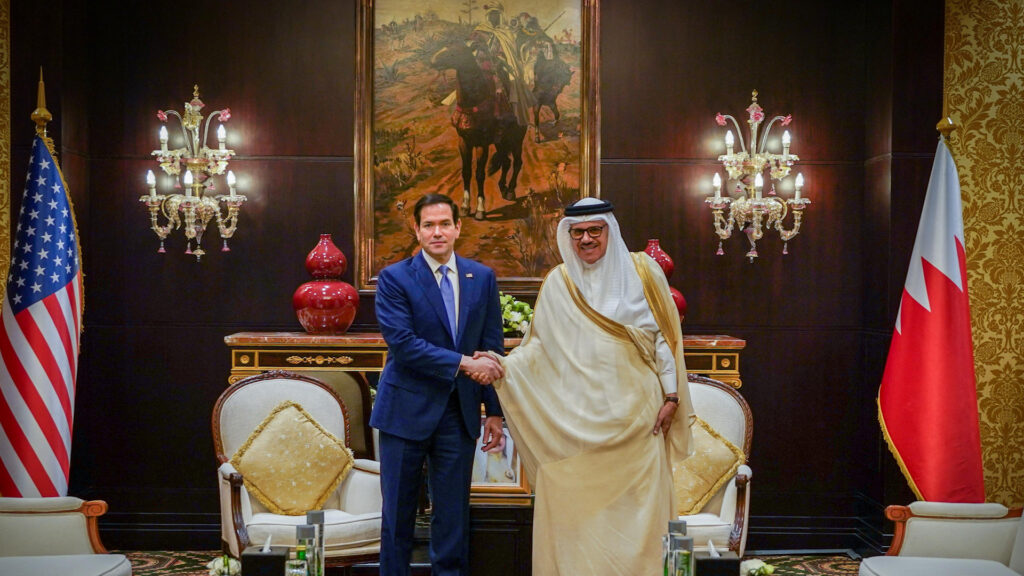
In a recent statement, US Secretary of State Marco Rubio highlighted the unanimous opposition from Gulf countries against the imposition of tolls in the Strait of Hormuz. The Strait of Hormuz is a strategic chokepoint through which a significant portion of the world’s oil supply passes, making it a critical area for global energy security and international trade.
Secretary Rubio’s remarks underscore the unified stance among Gulf Cooperation Council (GCC) members, who view any attempt to levy tolls as a disruptive and potentially destabilizing measure. The Gulf countries emphasize that such tolls could threaten maritime navigation freedoms, jeopardize economic stability, and escalate regional tensions.
The opposition aligns with broader international concerns over maintaining open and secure sea lanes in the region. The Strait of Hormuz corridor is approximately 21 miles wide at its narrowest point, acting as a vital conduit for energy exports from major oil-producing countries including Saudi Arabia, the United Arab Emirates, Kuwait, and Iran.
Rubio’s comments come amid ongoing geopolitical strains in the Middle East, where the security and free passage through this critical waterway have been subjects of frequent diplomatic dialogues and disputes. The US government continues to advocate for international laws that protect the freedom of navigation in the area.
Regional analysts suggest that any effort to implement tolls could escalate tensions not just between the Gulf countries and Iran but also draw in global powers due to the Strait’s importance for global energy markets. The Strait is a focal point for strategic military presence and international maritime law discussions.
The Gulf nations’ rejection of tolls also reflects their commitment to preserving the status quo, which prioritizes unimpeded passage and cooperative security arrangements. They view toll imposition as a unilateral act that could undermine decades of diplomatic efforts to maintain peace and stability in the region.
Secretary Rubio’s announcement serves to reassure allies and international partners that the US supports the Gulf states’ position, aiming to deter attempts that could disrupt economic activities dependent on the Strait. It also signals continued US engagement in safeguarding vital international waterways against potential economic coercion or military conflicts.
In conclusion, the unified opposition from the Gulf Cooperation Council countries, as reaffirmed by Secretary Rubio, highlights the strategic, economic, and political imperatives driving the desire to keep the Strait of Hormuz free from tolls and other restrictive measures. As global energy dynamics evolve, the importance of this critical maritime passage remains central to regional and international stability.