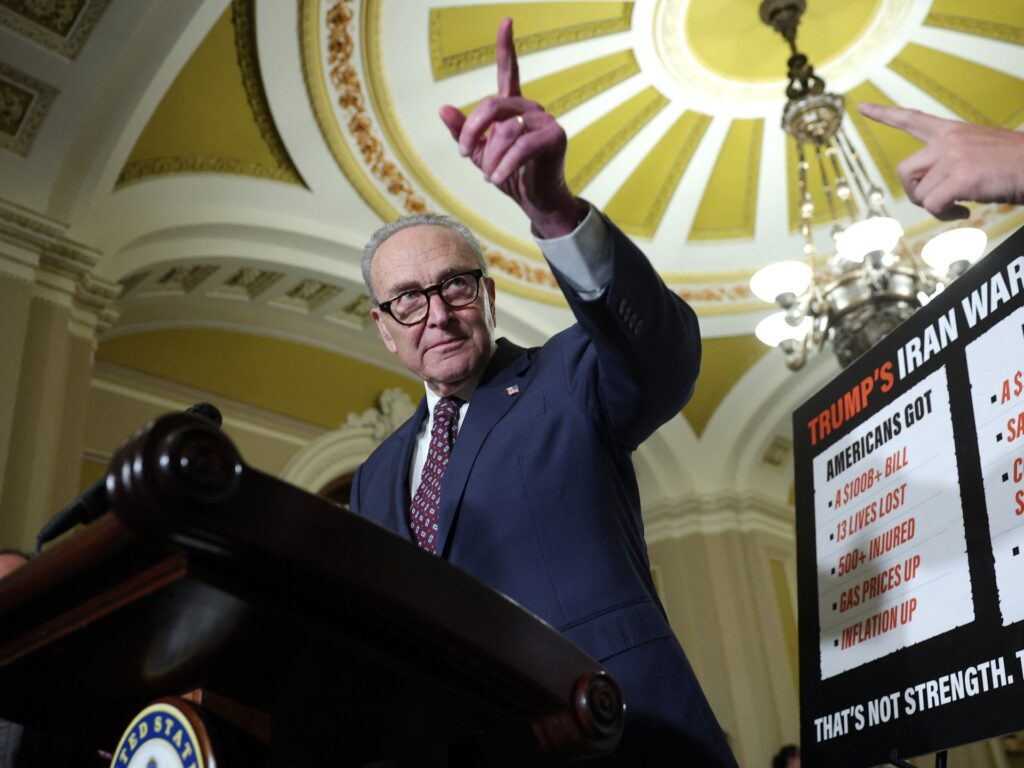
In a significant and rare bipartisan move, the United States Senate has approved a resolution aimed at curbing President Donald Trump’s ability to engage in military action against Iran without congressional approval. The measure passed with four Republicans crossing party lines to join Democrats in voting in favor of the resolution, highlighting growing concerns about escalating tensions between the US and Iran.
The resolution, often referred to as a War Powers Resolution related specifically to Iran, seeks to limit the president’s authority under the War Powers Act. This law was originally enacted to ensure that the president cannot unilaterally commit American troops to armed conflict without consulting and obtaining approval from Congress within a specified timeframe.
The Senate’s approval marks a critical check on executive power, especially in the context of heightened military tension following incidents such as the US strike that killed Iranian General Qasem Soleimani earlier this year. The resolution requires the president to seek congressional authorization for any long-term military engagement with Iran, reflecting lawmakers’ caution against prolonged conflict.
President Trump, known for his assertive foreign policy stance, previously authorized a series of aggressive actions in the Middle East without comprehensive congressional debate or approval. The passage of this resolution signals a shift in congressional willingness to assert legislative oversight and limits on presidential war powers.
Key aspects of the resolution include:
1. Mandating the withdrawal of US forces from hostilities against Iran unless Congress provides clear authorization.
2. Reinforcing the role of Congress in decisions surrounding war and peace.
3. Attempting to prevent an unchecked military escalation that could lead to a broader conflict in the Middle East.
The bipartisan support demonstrated by four Republicans crossing party lines underscores the complexity of the issue and the shared concern about the potential consequences of unchecked military escalation. The senators who voted in favor stressed the importance of maintaining the constitutional balance of powers and ensuring that decisions about war are deliberated by the people’s representatives.
Critics of the resolution argue that it may restrict the president’s ability to respond swiftly to threats, potentially hampering diplomatic or military strategies. Supporters, however, emphasize that accountability and congressional approval provide a vital safeguard against unintended wars and escalation.
The resolution does not strip the president of all authority to respond to emergencies but requires a measured approach where prolonged military engagement needs Congress’s green light.
This legislative move also resonates with a broader debate about the role of the US in Middle East conflicts, especially amid concerns about stability, terrorism, and the nuclear ambitions of Iran.
For President Trump, the passage of the resolution presents both a political challenge and a legal constraint. It limits his unilateral power in matters of war and signals a more active role for Congress in foreign policy decisions.
Looking ahead, this resolution could set a precedent for future congressional actions aimed at reining in executive military powers across different administrations.
In summary, the Senate’s approval of the Iran War Powers Resolution represents a critical moment in the ongoing struggle to balance national security, executive authority, and congressional oversight. With four Republicans joining Democrats, it reflects a bipartisan acknowledgement of the risks posed by unchecked military action and the importance of maintaining constitutional processes in decisions regarding war and peace.