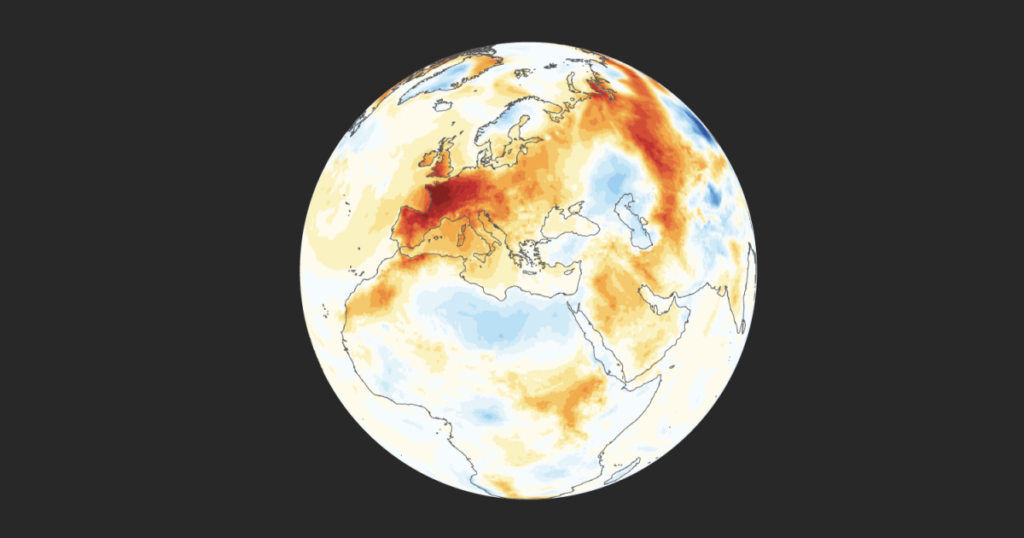
Europe is currently experiencing an unprecedented heatwave, with cities like Paris recording temperatures exceeding 40°C (104°F), a phenomenon usually characteristic of Middle Eastern climates. This surge in temperature highlights not only a significant deviation from typical European weather patterns but also poses critical questions about climate change, urban preparedness, and global weather dynamics.
Paris, historically known for temperate summers, has recently faced scorching heat levels that surpass the norm. Temperatures above 40°C are rare in this region and have triggered warnings from meteorological agencies and health authorities concerning heat-related illnesses and safety precautions.
This heatwave isn’t confined to Paris alone; multiple cities across Europe are grappling with extreme heat. Southern France, Spain, Italy, and other parts of Western Europe have reported highs that challenge previous records, emphasizing the widespread nature of this climatic shift.
Traditionally, such extreme temperatures are associated with areas like the Middle East, including cities such as Mecca, where heat levels above 40°C are common during the summer months. These regions, due to their geography and climatic conditions, have long adapted to handle such heat. Comparatively, European cities are less accustomed and equipped to manage prolonged periods of intense heat, leading to increased vulnerability.
The comparison between Paris and Mecca serves as a stark illustration of global warming’s reach. As the planet warms, weather patterns are becoming more erratic and extreme events more frequent. Europe’s experience with this heatwave underscores the urgency for climate action and adaptive strategies to protect urban populations.
This heatwave has several detrimental effects. Healthwise, it leads to a rise in heat strokes, dehydration, and aggravation of chronic diseases. Infrastructure also suffers as roads can buckle, rail lines warp, and energy demand spikes due to increased air conditioning use, sometimes resulting in blackouts.
Authorities across Europe are urging citizens to stay hydrated, avoid outdoor activities during peak heat, and check on vulnerable individuals such as the elderly and children. There is also a push for better urban planning, including the integration of green spaces and heat-resistant infrastructure.
Global comparisons offer insights into potential solutions. Cities in the Middle East utilize design principles that mitigate heat impact, like shaded walkways, reflective building materials, and mandated siesta periods to avoid the hottest parts of the day. European cities might look to these strategies for inspiration to better prepare themselves for future heatwaves.
Moreover, the heatwave’s occurrence aligns with broader climatological trends indicating a warmer planet. The increased frequency of such extreme weather events is consistent with predictions from climate models signaling intensified impacts of global warming if mitigation efforts are not significantly enhanced.
In conclusion, as Paris experiences temperatures higher than those typical of Mecca, it symbolizes a climatic shift with global implications. This situation presents a wake-up call to both policymakers and citizens worldwide about the tangible effects of rising global temperatures. Europe’s struggle with unprecedented heat highlights the necessity of robust climate action, adaptive urban planning, and international cooperation to manage heatwaves and their associated risks effectively.