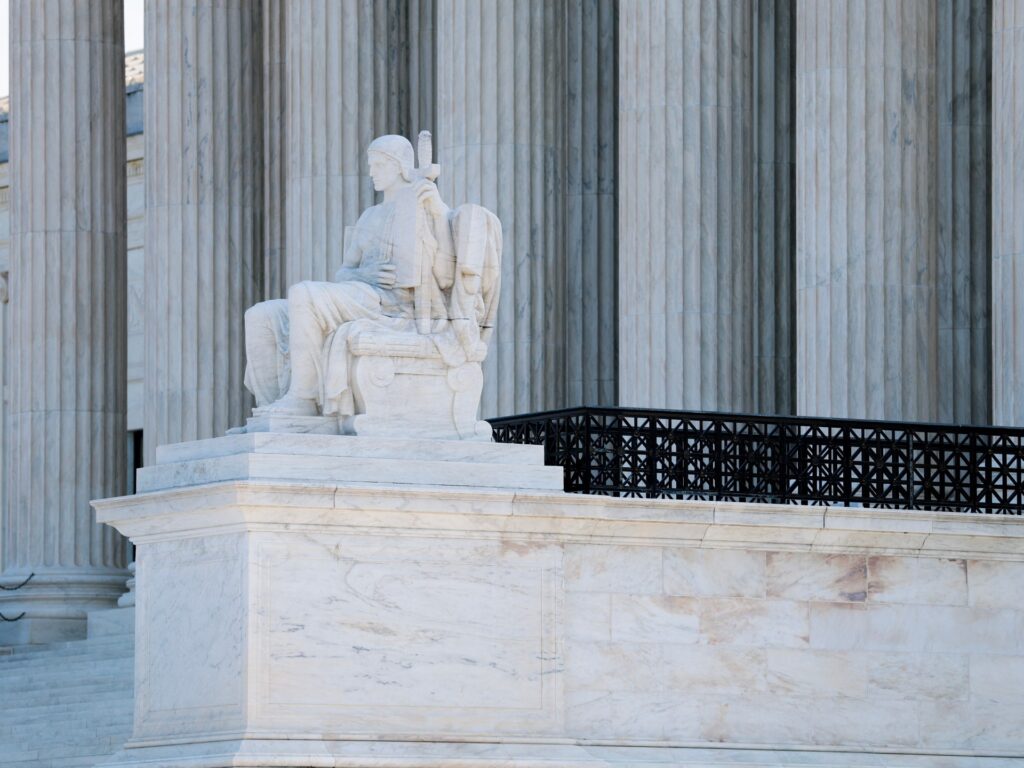
The U.S. Supreme Court has delivered a critical ruling concerning the rights of prisoners to sue prison staff for damages under religious liberties laws. In a recent decision, the Court upheld a lower court ruling, establishing that inmates do not have the right to sue prison guards for monetary damages when their religious freedoms are allegedly violated. This case involved a Rastafarian man who was forcibly shaved by prison officials, an act he claimed infringed upon his religious beliefs.
The Rastafarian faith traditionally prohibits the cutting or shaving of hair, making the forced shaving a significant religious affront to the inmate. However, the Supreme Court ruled that under the current interpretations of the Religious Land Use and Institutionalized Persons Act (RLUIPA), prisoners cannot seek monetary compensation from prison staff for such violations. This ruling marks an important precedent regarding the balance of religious liberties and the authority of prison officials.
The case has sparked widespread discussion about prisoners’ rights, religious freedom, and the limits of accountability for prison personnel. Advocates for prisoner rights argue that inmates should be able to seek damages when their religious rights are violated. In contrast, the Court’s decision reflects concerns about opening the floodgates to lawsuits that could burden the prison system and complicate the enforcement of rules.
RLUIPA was enacted to protect institutionalized persons from substantial burdens on their religious exercise, but it primarily allows for injunctive relief, which means courts can order a prison to change policies but not necessarily impose financial penalties on individual officers. The Supreme Court’s ruling underscores this limitation, emphasizing that monetary damages are generally not available under this law.
Legal experts note that the decision may lead to calls for legislative changes to provide inmates with more robust protections or alternative avenues for redress if their religious rights are infringed. Meanwhile, prison administrators may see this ruling as a confirmation of their authority to enforce grooming policies even when they conflict with inmates’ religious practices.
This ruling comes at a time when issues around racial and religious discrimination in prisons are under heightened scrutiny. The forced shaving of a Rastafarian inmate highlights ongoing tensions between institutional regulations and individual religious beliefs. The Court’s decision might impact similar cases where religious freedoms intersect with prison security protocols.
In summary, the Supreme Court’s decision affirms that prison inmates cannot claim monetary damages from guards under RLUIPA when their religious rights are violated. The ruling preserves the authority of prison officials to enforce grooming policies and limits the availability of civil suits for religious freedom violations in correctional settings. As the debate over religious rights in prisons continues, this case stands as a pivotal moment in defining the scope of those rights and the protections available to incarcerated individuals.