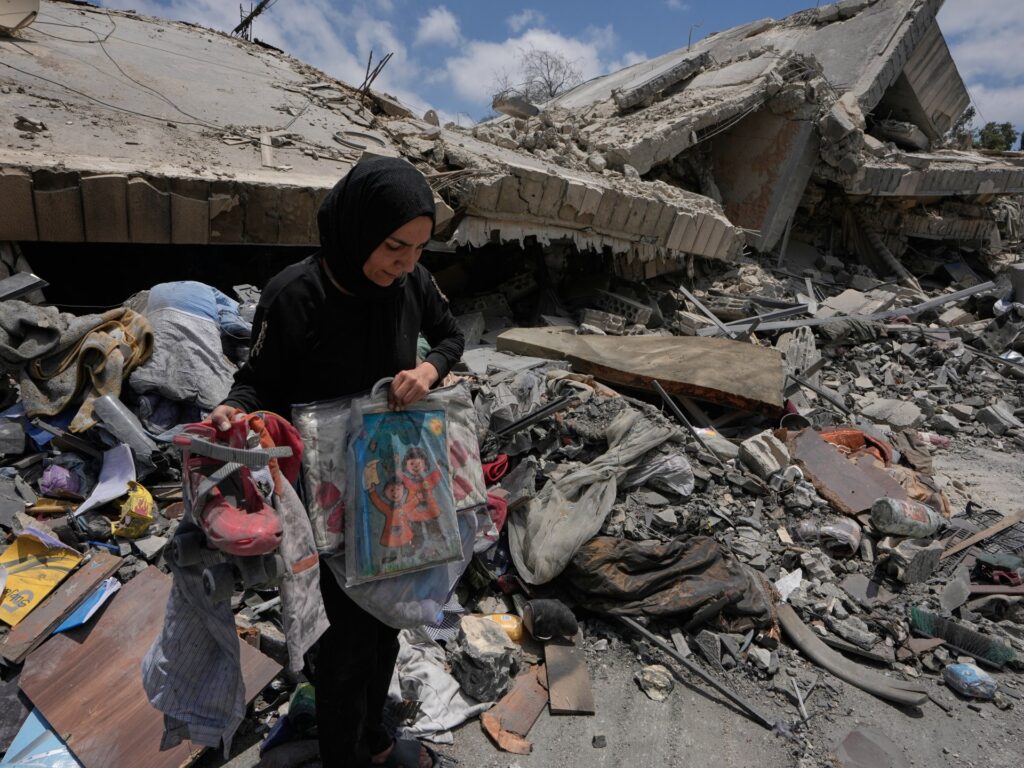
On a tense day along the Lebanese-Israeli border, two individuals were tragically killed due to Israeli fire, escalating already high tensions between the two sides. The lethal incident has prompted a strong response from Hezbollah, the powerful Lebanese armed group, which vehemently denounced the attack as a “treacherous attack” and a “blatant” violation of the existing truce.
Hezbollah’s statement highlighted the severity of the breach, emphasizing the group’s view that the truce, meant to maintain peace and stability along the border, has been seriously undermined. The incident marks a significant breach of the relative calm that the truce had established, raising fears of renewed conflict in a region long marred by volatility.
The circumstances surrounding the gunfire remain under investigation, with reports indicating that Israeli forces opened fire across the border, resulting in the deaths. The attack has drawn widespread condemnation from Hezbollah and has sparked outrage among Lebanese citizens who see this as an act of aggression.
The truce, brokered to prevent outbreaks of violence, particularly targets the demilitarized zones between Lebanon and Israel. Violations of the ceasefire agreement threaten to unravel months or even years of cautious diplomacy aimed at avoiding another larger-scale confrontation.
Hezbollah accused Israeli forces of deliberate provocation, asserting that such actions not only breach the truce but also endanger civilian lives and regional stability. The group called on the international community to intervene and hold Israel accountable for this “flagrantly unlawful” attack.
In Lebanon, the incident has heightened concerns over security and the potential for escalating hostilities. Local authorities have signaled their intent to investigate and respond accordingly to protect Lebanese sovereignty.
The international reaction, while cautious, underscores the delicate balance in the region. Many countries have urged restraint from all parties and emphasized the importance of diplomatic engagement to resolve disputes peacefully.
This latest incident is a stark reminder of the fragile peace in the Lebanon-Israel border area. Previous conflicts, particularly the 2006 Lebanon war, have resulted in severe destruction and loss of life, making the stakes of any renewed violence alarmingly high.
The killing of two people by Israeli fire has once again put the spotlight on Hezbollah’s role as both a political and military force in Lebanon. The group’s resolve to defend Lebanese territory appears unshaken, with its leadership warning of severe consequences should further violations occur.
As investigations unfold, regional observers and international diplomats will be closely monitoring responses from both sides. Efforts to deescalate the situation will be critical in avoiding a broader conflict that could destabilize the entire Middle East.
Lebanese civilians, caught in the crossfire of geopolitical tensions, face uncertainty and fear as the security situation remains volatile. The need for renewed dialogue, respect for ceasefire agreements, and international mediation has never been more apparent.
This tragic event serves as a wake-up call about the precariousness of peace in a region where historical grievances and strategic interests constantly collide. The global community now looks on, hopeful that reason and diplomacy will prevail to prevent further loss of life and maintain regional stability.