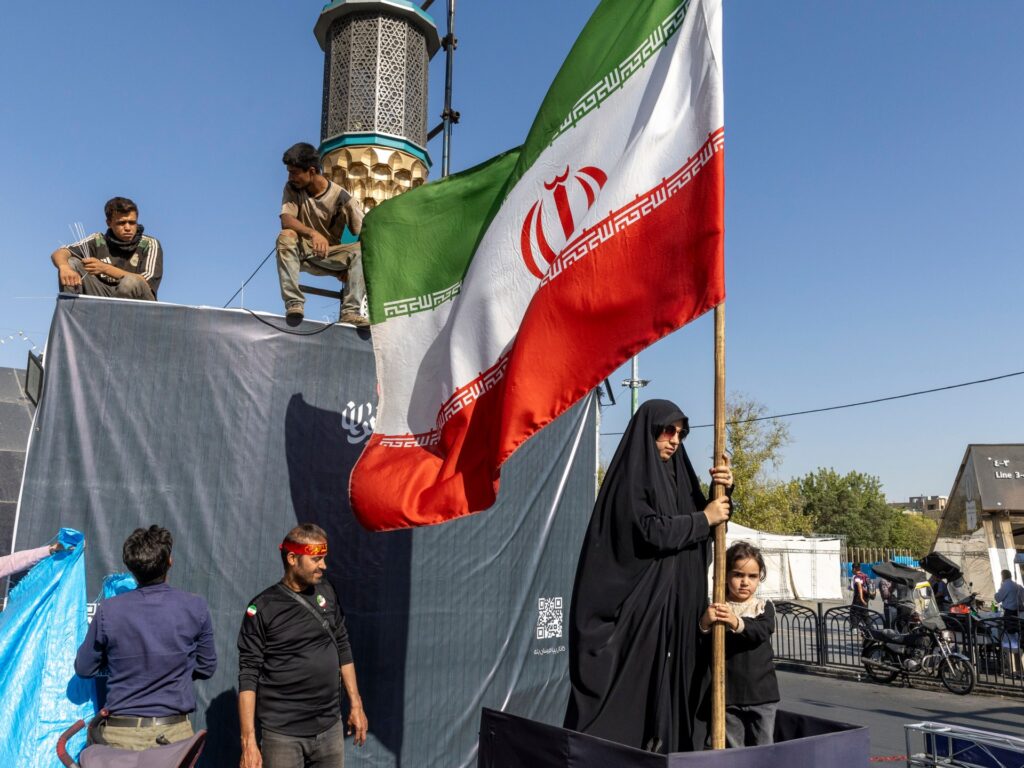
On the first day of significant diplomatic talks held in Switzerland, leaders from the United States and Iran presented a mixed picture of progress amid crucial disagreements. The discussions, aimed at addressing longstanding tensions and key issues, garnered attention from the international community eager for a breakthrough.
The US and Iran reportedly found common ground on several fronts, signaling a willingness to engage constructively. Both parties emphasized the importance of dialogue and expressed optimism about continuing negotiations. These positive remarks highlight a tentative but genuine effort to de-escalate decades of conflict and mistrust.
However, beneath the surface of these hopeful statements lie important disagreements that could shape the course of the talks. Central points of contention include the scope of Iran’s nuclear program, sanctions relief, and regional security concerns. The US maintains a firm stance on ensuring Iran’s nuclear capabilities are limited, while Iran insists on its right to peaceful nuclear development and urgent relief from economic sanctions.
Additionally, regional influence and military activity remain thorny subjects. The US is concerned about Iran’s involvement in proxy conflicts and missile programs, which it sees as destabilizing the Middle East. Iran, on the other hand, views its actions as defensive and a legitimate assertion of sovereignty.
The day one discussions also touched upon humanitarian issues and potential confidence-building measures, suggesting a multifaceted approach rather than focusing solely on security matters. While these initial talks did not resolve core disagreements, they established a foundation for ongoing communication.
International observers underscore the complexity of the US-Iran relationship, noting the challenge of balancing accountability with pragmatism. The first day’s mixed results reflect the deeply entrenched positions, but also the vital need for continued engagement.
Future rounds of talks are anticipated to delve deeper into contentious issues with the hope of reaching a framework that could lead to a comprehensive agreement. Both sides acknowledged that progress will be incremental and requires patience, flexibility, and mutual respect.
In summary, day one in Switzerland was marked by cautious optimism paired with substantive disagreements. This duality underscores the difficulty of rebooting ties after years of hostilities, but also the potential for dialogue to pave the way for a more stable and peaceful future.