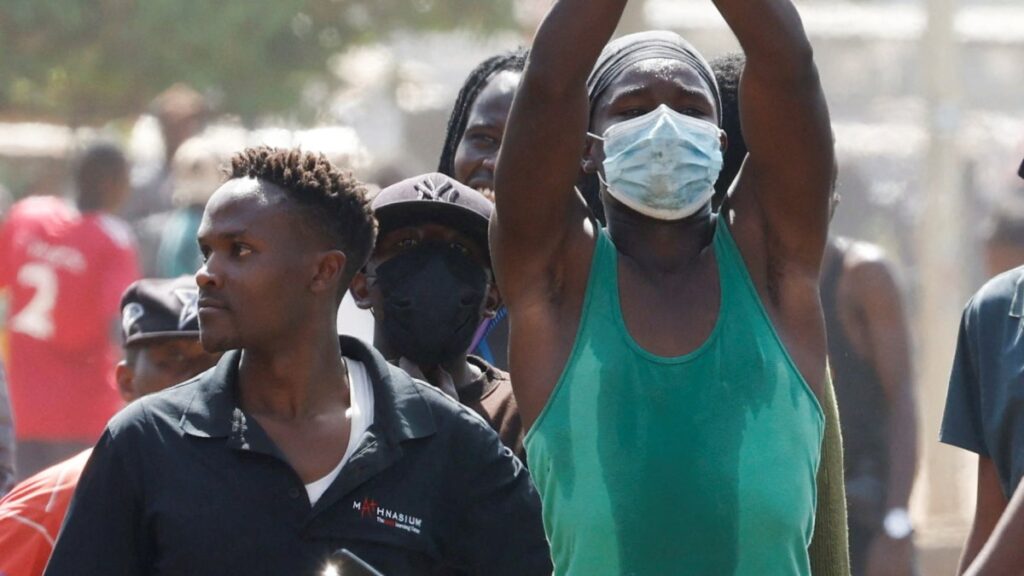
Kenya has ceased the construction of a US-funded Ebola treatment facility following a court ruling that responded to mounting public opposition. The planned facility, which was to be financed with $13.5 million in US funding, faced criticism for allegedly obscuring potential health risks to the local population.
The decision to halt the project was announced by a Kenyan government minister, signaling a significant shift in the approach towards international health interventions in the country. The minister highlighted that the court ruling reflected the concerns raised by local communities and activists who argued that the Ebola site could pose unforeseen dangers.
The US funding, aimed at enhancing Kenya’s preparedness for potential Ebola outbreaks, has been scrutinized as some stakeholders believe that the financial support might prioritize foreign strategic interests over local health and safety. The controversy underscores the delicate balance between global health initiatives and sovereign public health concerns.
Local residents and civil society groups voiced apprehensions regarding the facility’s construction, fearing that the site could increase the risk of Ebola transmission within neighboring communities. These concerns were amplified by inadequate communication and engagement efforts from the project’s organizers, leading to widespread distrust.
The Kenyan court’s intervention effectively suspended the project, pending further review and consultation with affected parties. Legal experts note that this case exemplifies the growing demand for inclusive decision-making processes in health-related infrastructure projects, ensuring that community welfare is prioritized.
Health officials from Kenya and the United States have expressed readiness to collaborate on finding alternative ways to strengthen Ebola surveillance and treatment capabilities without compromising local safety or public trust.
The halt in construction marks a critical moment for international health partnerships, highlighting the need for transparent dialogue and equitable consideration of all stakeholders in managing epidemic preparedness. The incident also serves as a reminder that while global health funding is vital, it must be implemented with respect and responsiveness to the host nation’s concerns.
Moving forward, Kenyan authorities, in partnership with the US, are expected to revisit the project framework, aiming to address the opposition’s reservations and potentially redesign the initiative to better align with community needs and environmental safety standards.
This development comes amid ongoing global efforts to combat infectious diseases, emphasizing that successful epidemic response requires both robust infrastructure and the active participation and trust of local populations.
In summary, Kenya’s suspension of the US-run Ebola facility construction underscores the complex dynamics at play in international health aid, spotlighting the importance of legal oversight, community engagement, and transparent funding utilization. It raises critical questions about how best to implement life-saving health projects in ways that honor the rights and safety of all stakeholders involved.