Lebanon is currently engaged in discussions about implementing a ‘deconfliction’ mechanism, which is a strategic plan aimed at ensuring the cessation of military operations within its borders. This development comes just ahead of scheduled talks with Israel, highlighting attempts to reduce tensions and prevent the escalation of conflict between the two nations.
Mediators from Qatar and Pakistan have played a pivotal role in proposing and facilitating this mechanism. Their involvement underscores the importance of international diplomacy and multilateral efforts in resolving long-standing disputes in the region.
The primary objective of the ‘deconfliction’ plan is to establish clear communication channels and protocols between Lebanese forces and Israeli military units. By doing so, both sides hope to avoid inadvertent military clashes that could escalate into broader conflicts. The mechanism is designed to maintain stability and prevent the outbreak of hostilities, particularly in contested or sensitive border areas.
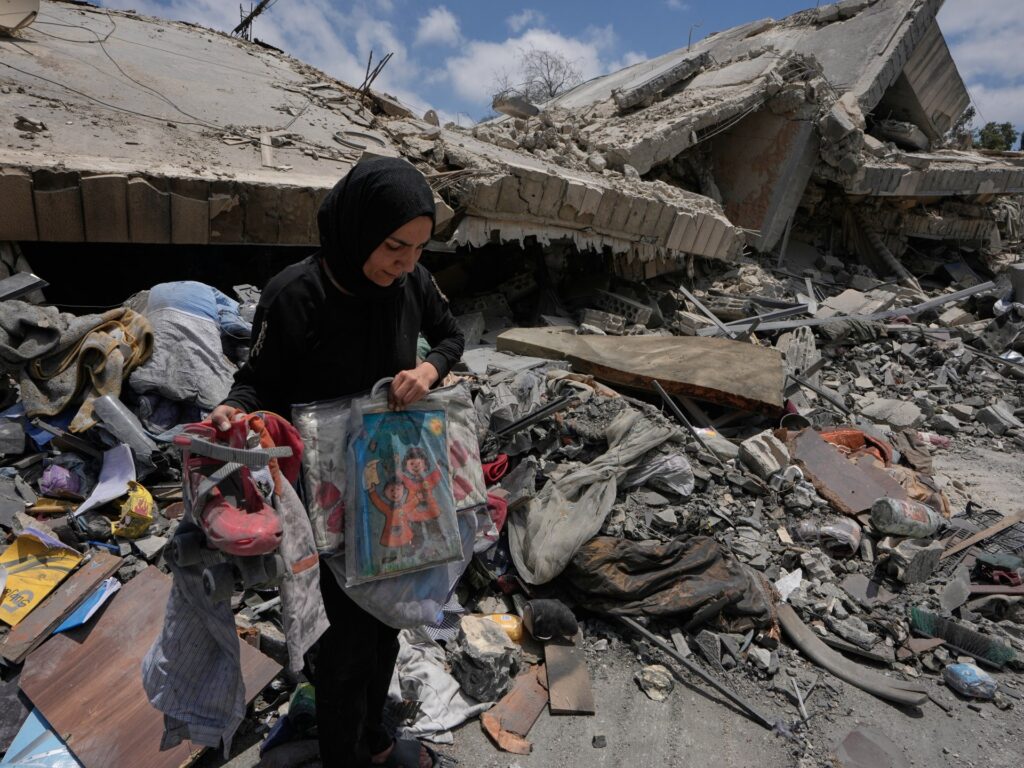
Lebanon has faced numerous challenges relating to security and military engagement, especially concerning its southern region bordering Israel. Past confrontations have often resulted in severe consequences for both countries and the civilian populations caught in crossfire. Therefore, the introduction of this mechanism is seen as a proactive measure to mitigate such risks.
The discussions have also highlighted the broader geopolitical dynamics at play in the Middle East. Qatar and Pakistan’s mediation reflects a collaborative effort among Muslim-majority countries to support peace and security in the region. Their joint diplomatic initiative aims to create a framework that can be expanded or adapted for other conflict zones.
An important aspect of this initiative is compliance and verification. Both Lebanese and Israeli authorities will need to establish mutual trust to ensure that the terms of the ‘deconfliction’ mechanism are strictly followed. This entails regular communication, monitoring of the military activities, and immediate reporting of any incidents that could threaten peace.
The upcoming talks between Lebanon and Israel, facilitated by this new mechanism, are anticipated to foster a more constructive dialogue on other contentious issues beyond military operations. These include border demarcations, water rights, and economic cooperation which have long been sources of friction.
Observers are cautiously optimistic about the potential success of this initiative. While challenges remain, the commitment to formalize processes aimed at reducing conflict represents a significant step forward in the pursuit of regional stability.
As talks proceed, the international community remains vigilant and supportive of these efforts, recognizing that a durable peace will require sustained cooperation and goodwill from all parties involved.
In summary, Lebanon’s deliberations on a ‘deconfliction’ mechanism ahead of its talks with Israel, spearheaded by mediators Qatar and Pakistan, mark a hopeful development in efforts to end military operations. The plan seeks to ensure peace and security in a historically volatile region by reducing the risk of unintended clashes and enabling dialogue on broader issues.