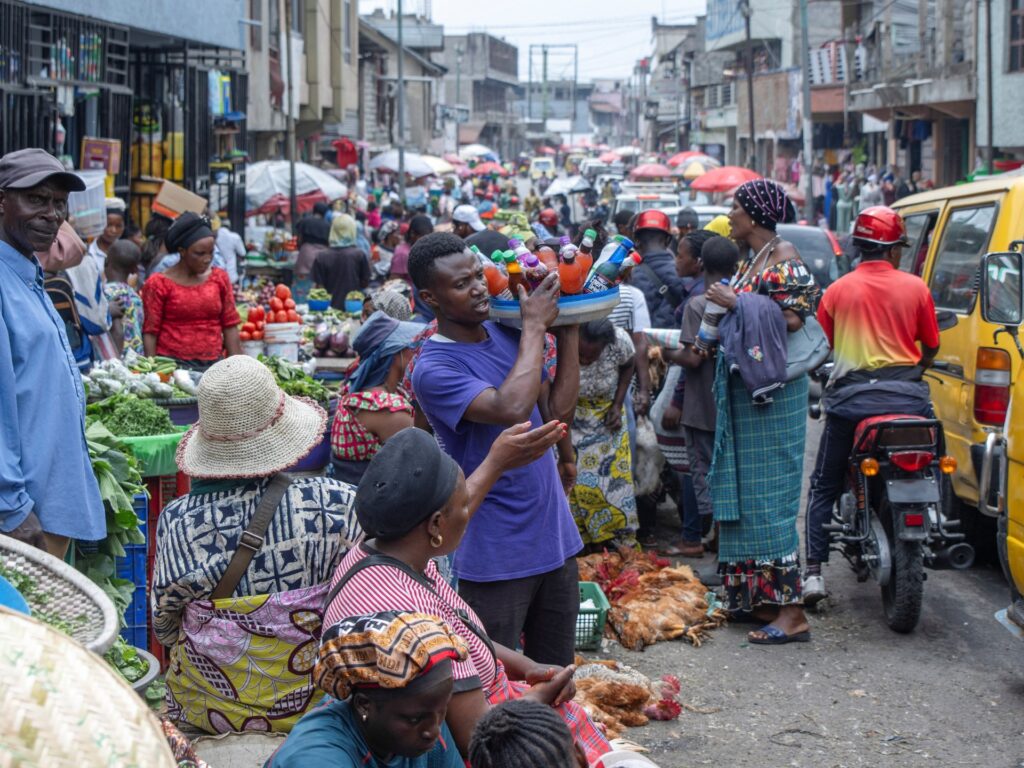
The recent closure of the border between the Democratic Republic of the Congo’s (DRC) city of Goma and neighboring Rwanda, implemented as a measure to control the spread of Ebola, has sparked significant economic and social disruption. This decision, heavily defended by health officials, has effectively severed a crucial lifeline for traders and local communities dependent on cross-border trade.
The Ebola outbreak in the DRC has led authorities to enforce strict restrictions including border closures, aiming to curtail the transmission of the virus. While these measures are grounded in public health concerns, they have inadvertently impacted the livelihoods of countless individuals and businesses that rely heavily on the vibrant trade corridor between Goma and Rwanda.
Goma acts as a pivotal hub for trade in the region, with goods ranging from agricultural produce to manufactured items frequently crossing the border. The closure has resulted in a sharp decline in business activities, disrupting supply chains and increasing the cost of goods. Traders report losses in income, with many small-scale business owners facing financial instability due to halted trade.
Residents of both sides have expressed concerns about accessibility to essential goods, with some commodities becoming scarce or more expensive. The closure has also affected jobs linked to cross-border markets, further exacerbating economic hardships in an area already grappling with health and security challenges.
Health officials reiterate that the closure is a necessary intervention to contain Ebola, which remains a serious and potentially fatal disease. They emphasize that controlling the virus’s spread requires coordinated public health measures, including restricting movement in and out of affected areas.
However, calls have emerged for balancing health safety with economic continuity. Stakeholders urge a reassessment of the restrictions to allow the resumption of regulated trade while maintaining Ebola preventive protocols. Suggestions include implementing health screenings, creating safe passage corridors for goods, and increasing public awareness on preventive measures.
The situation underscores the complex interplay between health crises and economic welfare in regions facing epidemics. Efforts to combat Ebola must consider both immediate health imperatives and the long-term socio-economic impacts on affected populations.
As the fight against Ebola continues, collaborative approaches involving health authorities, governments, traders, and communities are essential to develop sustainable solutions that protect public health without crippling local economies. The hope remains that through such cooperation, both the outbreak and its economic fallout can be effectively managed.
In conclusion, the Ebola-related border closure between Goma and Rwanda highlights the delicate balance required in managing health emergencies. While necessary for containment, such restrictions reveal vulnerabilities in regional trade systems and the urgent need for adaptive strategies that support both health and economic resilience.