In the recent presidential election in Colombia, right-wing candidate Abelardo de la Espriella has claimed victory according to preliminary results. De la Espriella, known for his conservative political stance, seems to have secured a lead over his competitors, marking a significant moment in the country’s political landscape.
The election, closely watched both domestically and internationally, has reflected Colombia’s evolving political sentiments. With de la Espriella’s claim of victory, the right-wing faction appears to have gained considerable support from the electorate. This development could lead to substantial policy shifts and influence the nation’s direction on various fronts including economic, security, and social issues.
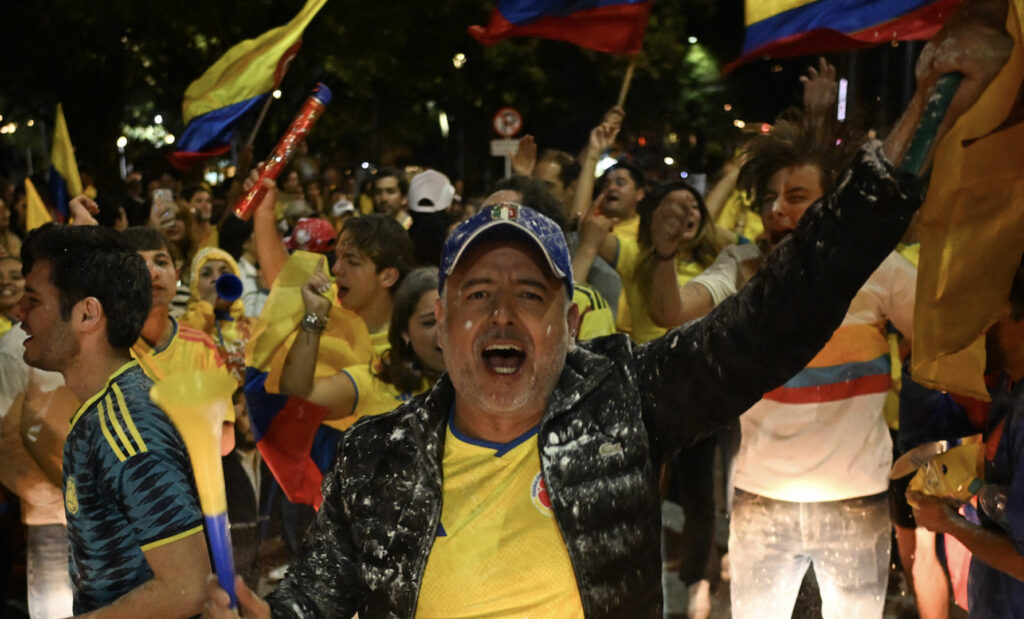
Although these are preliminary results, the announcement by de la Espriella has energized his supporters and sparked reactions throughout the country. The final official results are awaited to confirm the true outcome of this critical election.
The political campaign saw a vigorous exchange of ideas and promises, with de la Espriella emphasizing traditional values and strong governance. His platform focused on enhancing national security, economic growth, and combating corruption, which resonated with many voters.
Analysts suggest that his success reflects a broader desire among Colombians for stability and conservative leadership after years of political and social challenges. Meanwhile, opposition groups and other candidates have called for caution until the official results are released.
This election is pivotal as it determines the future trajectory for Colombia, a nation with a complex history and diverse political landscape. De la Espriella’s probable victory could redefine the governance approach and Colombia’s role in regional and global affairs.
The country’s election authorities continue to count votes and ensure the process is transparent and accurate. International observers have also been monitoring the election to support a fair democratic process.
As Colombia awaits the final tally, the attention remains on de la Espriella’s ability to unify the country and deliver on campaign promises. This election could set a new course for Colombia, one that reflects the aspirations and concerns of its citizens as expressed through the ballot.
In summary, right-wing candidate Abelardo de la Espriella’s claim of victory in Colombia’s presidential election preliminary results signals a potential shift in the country’s politics. The coming days will be crucial in confirming these results and understanding the broader implications for Colombia’s future.