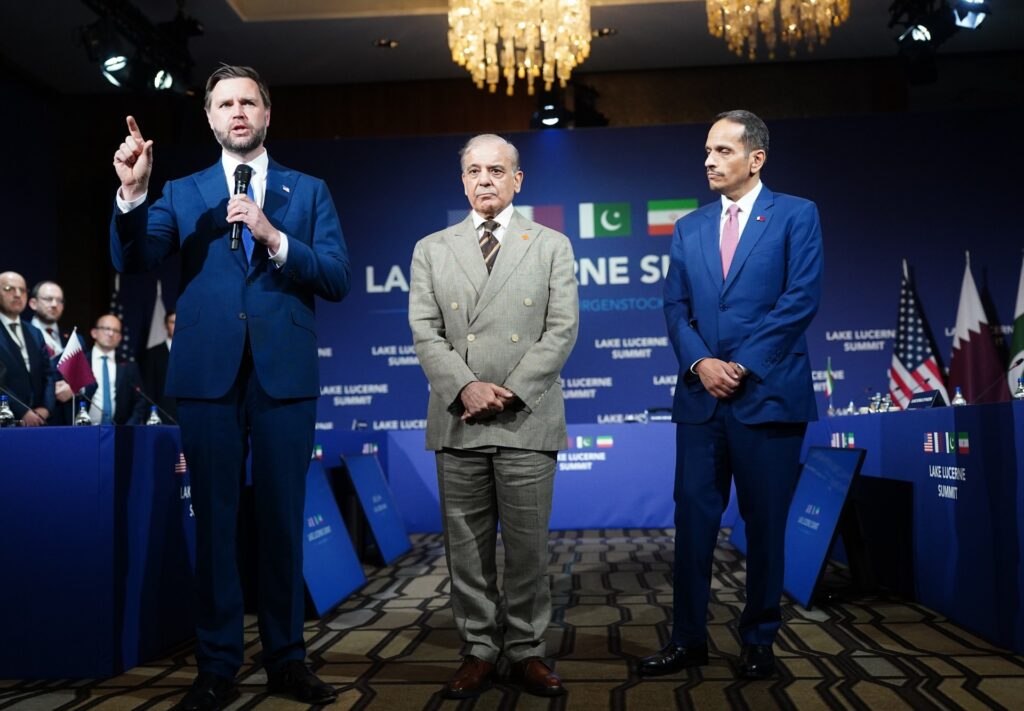
Recent developments in the ongoing conflict involving Iran have brought a renewed sense of cautious optimism as mediators report encouraging progress in talks between the United States and Tehran. Key diplomatic efforts have led to the establishment of a committee designed to oversee future discussions, aiming to foster dialogue and reduce tensions that have escalated in the region.
In addition to the committee, a ‘de-confliction cell’ has been agreed upon by both parties, primarily tasked with ending attacks in Lebanon, a critical hotspot in the conflict landscape. This cell is intended to serve as a direct communication channel to prevent misunderstandings and unintended escalations between opposing forces.
Mediators involved in the negotiations have expressed hope that these steps will pave the way for more substantive agreements and reduce the immediate risk of violence. The creation of formal mechanisms for dialogue and conflict management marks a shift from ad-hoc negotiations to more structured peace-building efforts.
Historically, the relationship between the US and Iran has been marked by deep-seated mistrust, with conflicts often playing out indirectly through proxy engagements in countries like Lebanon and Syria. The new committee and de-confliction measures represent attempts to break this cycle and create a framework for more direct and effective communication.
Experts suggest that while the current progress is promising, significant challenges remain. Both sides must continue to engage in good faith and be willing to make concessions. There is also pressure from regional actors and international stakeholders who have vested interests in the outcome of these talks.
The situation in Lebanon is especially sensitive, given the involvement of multiple factions and foreign influences. The success of the de-confliction cell could be a critical factor in stabilizing the area and preventing further violence that could spill over to neighboring countries.
International observers have noted that the mediation process could serve as a model for resolving other prolonged conflicts where direct dialogue has been difficult. The emphasis on creating concrete mechanisms for ongoing dialogue highlights a shift in conflict resolution strategies.
As the talks continue, the global community remains watchful, recognizing that the outcome may significantly influence broader regional stability and international relations. The commitment shown by both the US and Iran to engage in these structured talks is a hopeful sign amidst a complex and volatile geopolitical landscape.
In summary, the establishment of a supervisory committee and a de-confliction cell for US-Iran discussions signals a pragmatic step forward. These developments, hailed as encouraging by mediators, offer a potential pathway to reducing violence and fostering more sustainable diplomatic engagement in the region.”