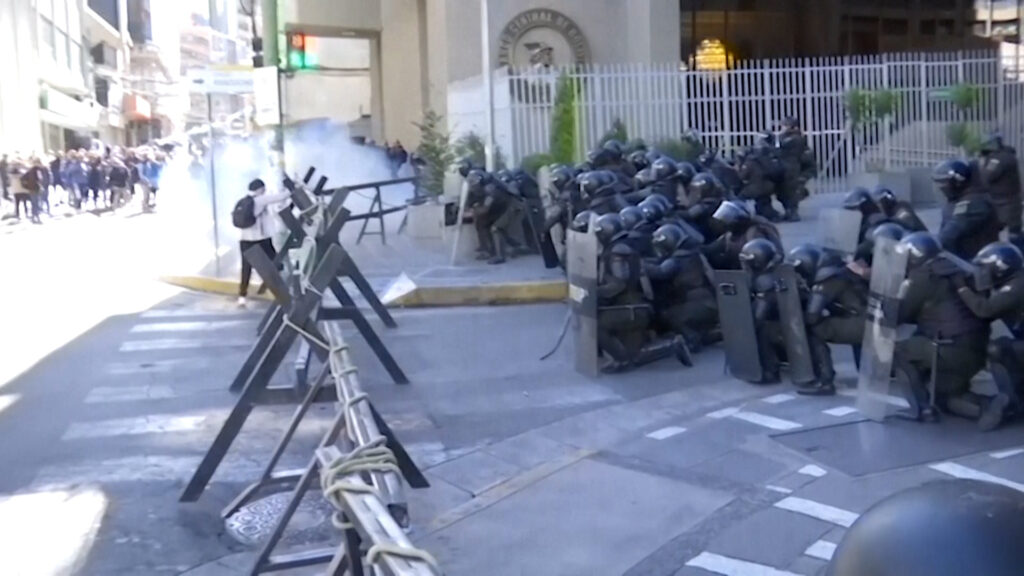
Bolivia has declared a state of emergency amid escalating protests that have led to widespread blockades across the country. The government’s announcement comes as part of an effort to restore order and reopen vital transport routes that have been severely disrupted by the demonstrations.
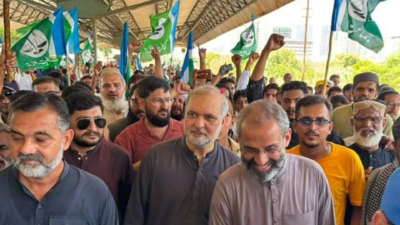
The protests began several weeks ago, sparked by grievances related to economic conditions, social inequality, and recent governmental policies. Demonstrators, including indigenous groups and labor unions, have organized blockades on highways and key infrastructure, effectively paralyzing movement of goods and people in several regions.
The declaration of the state of emergency grants the Bolivian government special powers to deploy security forces to clear the blockades and maintain public order. This decision has raised concerns among human rights organizations, who caution against potential abuses and call for a peaceful resolution to the conflict.
President Luis Arce emphasized the necessity of the state of emergency to protect the country’s economic stability and ensure the safety of citizens. “While we respect the right to protest, we also must guarantee that the country continues to function for all Bolivians,” the president stated in a televised address.
Security forces have since moved into affected areas with the mandate to dismantle barricades and facilitate the movement of emergency services and essential supplies. Reports indicate that several roadblocks have been removed, though some clashes between protesters and police have been reported.
The protest leaders have expressed their disappointment with the government’s approach, accusing officials of suppressing dissent and ignoring dialogue requests. They demand the government address long-standing issues such as poverty, unemployment, and lack of infrastructure investment.
International observers are closely monitoring the situation, urging both sides to prioritize dialogue and negotiation over force. The United Nations has called for restraint from security forces and respect for the rights of peaceful protesters.
Bolivia’s state of emergency highlights the deep-seated social and economic challenges faced by the nation. It serves as a stark reminder of the need for comprehensive reforms and inclusive policies that respond to the needs of all citizens.
As the government proceeds with measures to clear the blockades, many Bolivians remain hopeful for a swift and peaceful resolution that addresses the root causes of the unrest. The situation remains fluid, with developments continuing to unfold in the coming days.