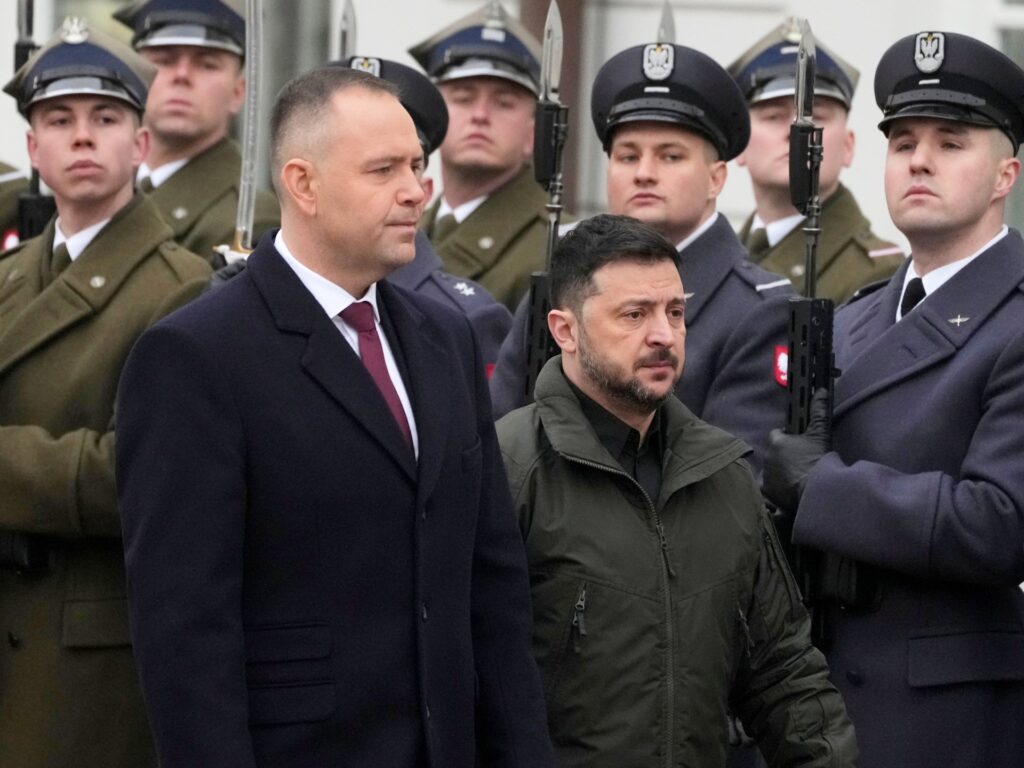
In a significant diplomatic gesture, Ukrainian President Volodymyr Zelenskyy, along with several top Ukrainian officials, has returned awards previously received from Poland. This action follows a recent diplomatic rift sparked by Poland’s decision to strip President Zelenskyy of the country’s highest honor.
The controversy arises from differing views on historical events during World War II, a period marked by complex and painful memories between Poland and Ukraine. The dispute particularly centers on the interpretation of roles and responsibilities related to wartime atrocities, which has strained the historical narrative shared by both nations.
Poland had awarded Zelenskyy its top honor in recognition of contributions to fostering Polish-Ukrainian relations and supporting Ukraine’s sovereignty, especially in the context of recent geopolitical tensions in Eastern Europe. However, the award was rescinded following statements and policies by Ukrainian figures that Warsaw perceived as negating or downplaying certain aspects of shared history, particularly relating to the Volhynia massacres and other contentious WWII episodes.
In response to the revocation, Zelenskyy and other officials chose to return their decorations, signaling a protest against Poland’s move and highlighting the sensitive nature of historical memory in diplomatic relations. They underscored the need for mutual respect and a balanced understanding of history, without which cooperation between the two nations could be jeopardized.
The incident reflects deeper undercurrents in Polish-Ukrainian relations, where historical grievances continue to impact contemporary political and cultural ties. While both countries share a strategic partnership and common interests—especially given regional security challenges—the emotional weight of WWII history remains a potent factor in bilateral interactions.
Analysts believe this spat could complicate ongoing efforts to strengthen cooperation within frameworks such as the European Union and NATO since both Poland and Ukraine are crucial players in Eastern European geopolitics.
Leaders from both sides have called for dialogue to resolve misunderstandings and to promote an inclusive historical narrative that acknowledges the sufferings and perspectives of all communities involved during the war period.
The return of Polish awards by Zelenskyy and top Ukrainian officials thus symbolizes not only a diplomatic protest but also a broader challenge of reconciling history with present-day diplomacy. It serves as a reminder of how deeply the wounds of the past can influence the political realities of today, and how delicate such historical issues remain in international relations.
Moving forward, experts suggest that fostering open conversations and joint historical commissions might be pathways to easing tensions and building a more collaborative future between Poland and Ukraine, grounded in mutual understanding and respect for their shared yet contested histories.