On the 113th day of the ongoing conflict involving Iran, tensions continue to escalate in the Middle East as Tehran intensifies its diplomatic pressure on the United States regarding the situation in Lebanon. This move comes amidst a backdrop of Israeli military strikes that have severely tested a fragile ceasefire and threatened broader regional peace efforts.
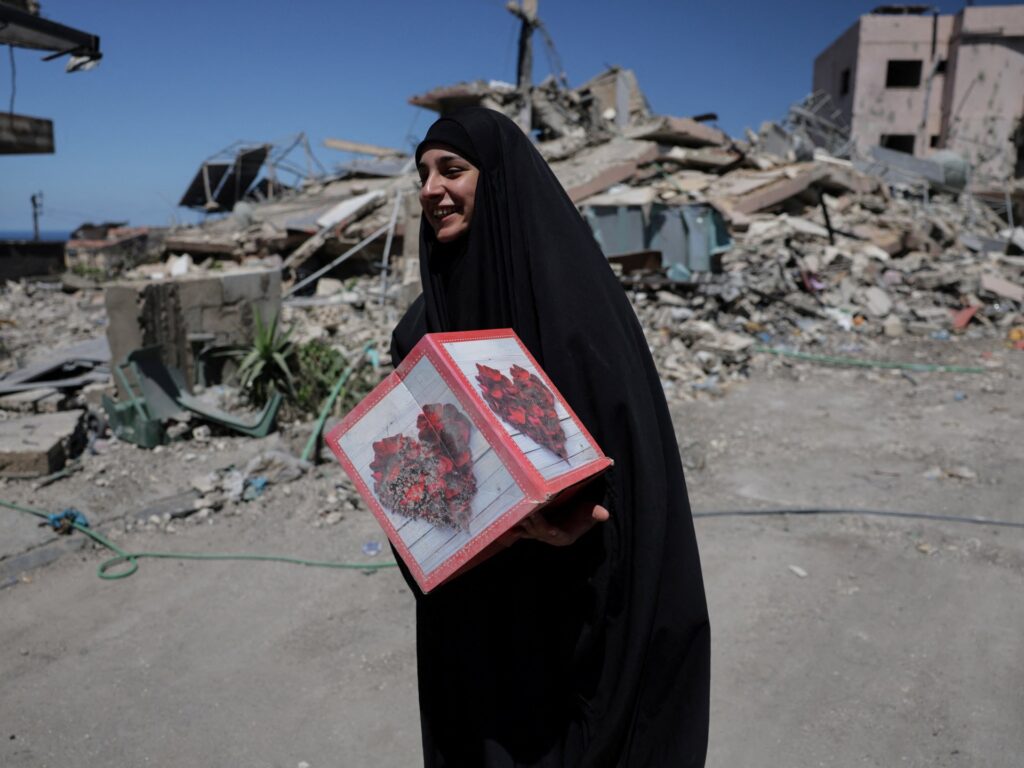
The current phase of the conflict has seen a complex interplay of geopolitical tensions and military engagements, with Iran and its allies in Lebanon playing a critical role. The ceasefire in Lebanon, which was brokered through multilateral diplomatic negotiations, faces significant challenges due to repeated Israeli airstrikes targeting Hezbollah and other militant positions. These strikes are seen as attempts by Israel to curb the military capabilities of its adversaries but have simultaneously destabilized the delicate truce maintained in the region.
Iran’s diplomatic efforts are focused on engaging the United States to ensure that the ceasefire holds and that any further escalations are prevented. Tehran insists on the need for the US to exert influence over Israel to halt military actions that violate the ceasefire and threaten the peace process. The Iranian government views the conflict in Lebanon as not only a regional issue but also a critical front in the broader confrontation between Iran and its adversaries.
The United States, meanwhile, has maintained a cautious stance, balancing its support for Israel’s right to defend itself with international calls for de-escalation and the resumption of peace talks. Washington’s strategic approach involves working with regional and international partners to sustain the ceasefire and address the underlying political issues fueling the conflict.
Analysis by experts suggests that the prolonged conflict and repeated ceasefire violations underscore the fragility of peace in Lebanon and the wider Middle East. The situation remains volatile, with diplomatic channels actively engaged in preventing a full-scale renewal of hostilities. However, the persistence of Israeli strikes and Iran’s pressing of the US indicate a challenging road ahead for peacemakers.
The broader implications of this standoff extend beyond Lebanon, touching on the stability of the entire region. The conflict has exacerbated sectarian divisions, impacted civilian populations, and complicated the geopolitical landscape amid ongoing disputes in Syria, Iraq, and Yemen.
International observers call for renewed diplomatic commitments and ceasefire enforcement mechanisms to prevent further deterioration. The urgent need for dialogue and compromise is emphasized as the only viable path to lasting peace and security in the region.
As the war enters its 113th day, the eyes of the world remain fixed on the unfolding developments in Lebanon and the broader Middle East. The outcome of Tehran’s diplomatic push and the US response will be pivotal in shaping the future trajectory of this deeply entrenched conflict.