In a complex geopolitical landscape marked by longstanding tensions and recent escalations, Israel finds itself at the crossroads of intricate relations with the United States, Iran, and Lebanon. Recent Israeli military actions targeting Lebanon have intensified a regional conflict, defying a tenuous peace agreement with Iran and igniting widespread political backlash.
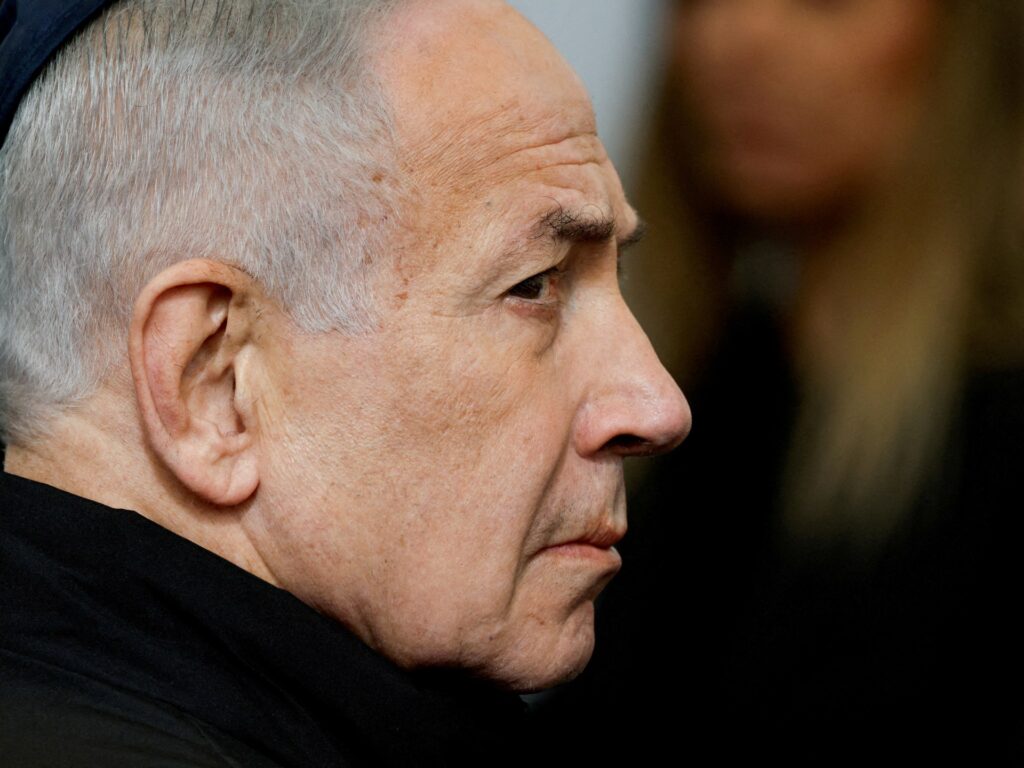
Israeli Prime Minister Benjamin Netanyahu faces mounting criticism both domestically and internationally. Within Israel, political factions express concern over the aggressive strategy employed in Lebanon, fearing the consequences of opening a new front in a region already fraught with instability. The attacks have reportedly aimed at dismantling militant infrastructure, yet critics argue that the extent and nature of the military operations suggest destruction as the principal objective rather than strategic defense.
Amid this turmoil, the United States maintains a cautious stance. Historically Israel’s staunch ally, the US has publicly supported Israel’s right to defend itself but has expressed unease about the escalation’s potential to destabilize the region further. American officials have underscored the importance of de-escalation and the maintenance of diplomatic channels to avoid a broader conflict that could engulf neighboring countries.
Iran, meanwhile, is at the center of this crisis due to its support for Lebanon’s Hezbollah and opposition to Israeli policies. The recent Israeli attacks have breached a delicate peace agreement aimed at limiting hostilities between Tehran and Jerusalem, exacerbating tensions between the two adversaries. Iranian leaders condemned the Israeli strikes as aggressive violations and vowed to respond, which has raised fears of a retaliatory cycle of violence.
Lebanon itself is caught in the crossfire, facing the brunt of the conflict’s fallout. The Lebanese government has denounced Israeli military incursions as violations of sovereignty and international law. Citizens within Lebanon express growing anxiety over the escalating violence and the impact on their already fragile economic and political conditions.
International observers warn that the situation remains volatile, with the potential to spiral into a larger regional confrontation. Diplomatic efforts are underway to mediate dialogue among the involved parties, aiming to restore peace and stability.
Netanyahu’s government, balancing domestic security concerns and international diplomatic pressure, appears determined to pursue a course of action that prioritizes Israel’s strategic objectives against regional threats. However, the long-term consequences of this approach remain uncertain, as the cycle of violence may undermine efforts for sustained peace in the Middle East.
In summary, Israel’s current military strategy navigates a precarious path between alliance and antagonism with the US, Iran, and Lebanon. The political backlash and criticism underscore a broader regional struggle where the goals of destruction and defense intersect, raising critical questions about the future of peace and security in the region.