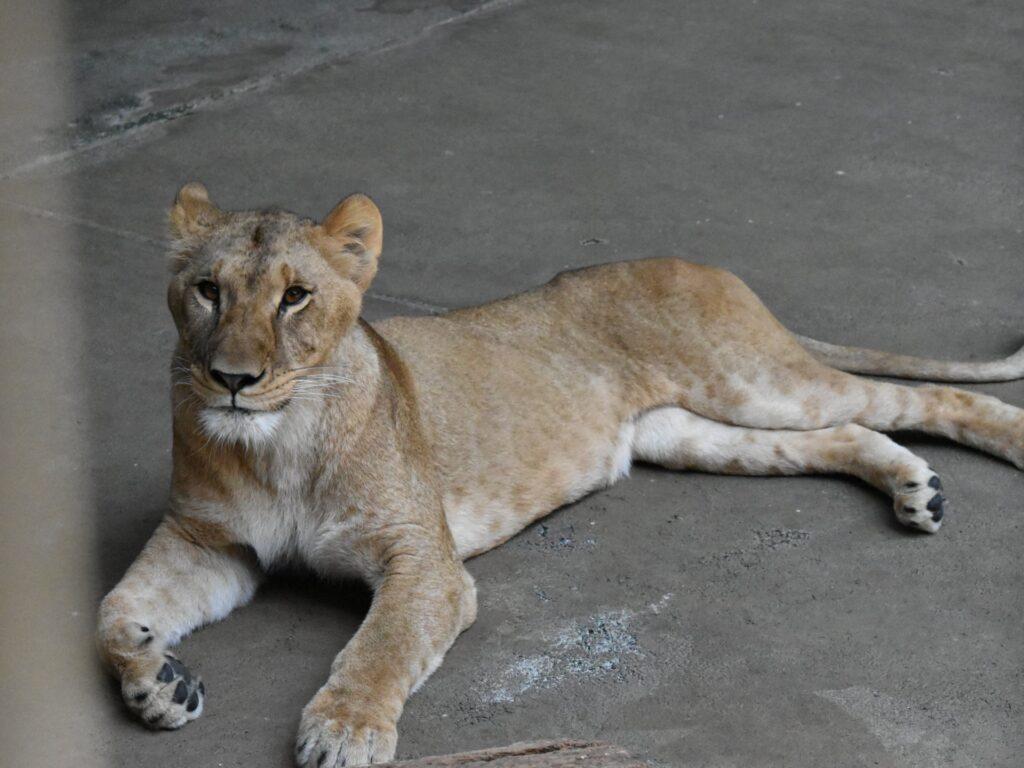
A severe and record-breaking heatwave sweeping across East Asia has put immense pressure on both humans and animals, leading to tragic outcomes. In Tokyo, three lionesses at a local zoo have died as a result of the extreme temperatures. This heatwave is one of the most intense in recent history, causing widespread strain on health systems and wildlife.
The East Asian heatwave has pushed temperatures to unprecedented highs, scorching multiple countries and cities across the region. This intense heat is not only a challenge for the public, especially vulnerable populations such as the elderly and children, but it’s also having a devastating effect on animals in captivity and the wild.
The incident with the lionesses in Tokyo highlights the urgent need for zoos and wildlife sanctuaries to adapt to changing climate conditions. These animals are sensitive to temperature fluctuations, and prolonged exposure to extreme heat can lead to fatal health complications. Despite advanced care measures, the three lionesses succumbed to heat-related stress and complications.
Authorities have issued warnings throughout affected regions, urging people to take precautions to avoid heat stroke and dehydration. Health services are operating at full capacity, attending to a surge in heat-related illnesses. Governments are also exploring long-term strategies to cope with the increasing frequency of such heatwaves.
This heatwave acts as a stark reminder of the growing impact of climate change. Experts warn that without significant global efforts to reduce carbon emissions and implement adaptation measures, such extreme weather events will become more common and severe.
The Tokyo zoo is currently reviewing its animal care protocols to better safeguard its inhabitants during extreme weather conditions. This includes modifications to enclosures, enhanced cooling systems, and increased monitoring of animal health during heatwaves.
Meanwhile, residents and officials across East Asia continue to battle the harsh conditions, hoping for relief from the oppressive heat. Emergency services remain on high alert, and public messages emphasize hydration, cooling off, and avoiding outdoor activities during peak heat hours.
The loss of the three lionesses is a poignant example of the broader effects of climate change on biodiversity and the delicate balance of ecosystems. It underscores the interconnectedness of human and animal health and the urgent need for comprehensive climate action.
As the heatwave persists, further impacts on animals, humans, and infrastructure are expected. The situation calls for immediate response and long-term planning to mitigate the effects of such extreme weather phenomena in the future.