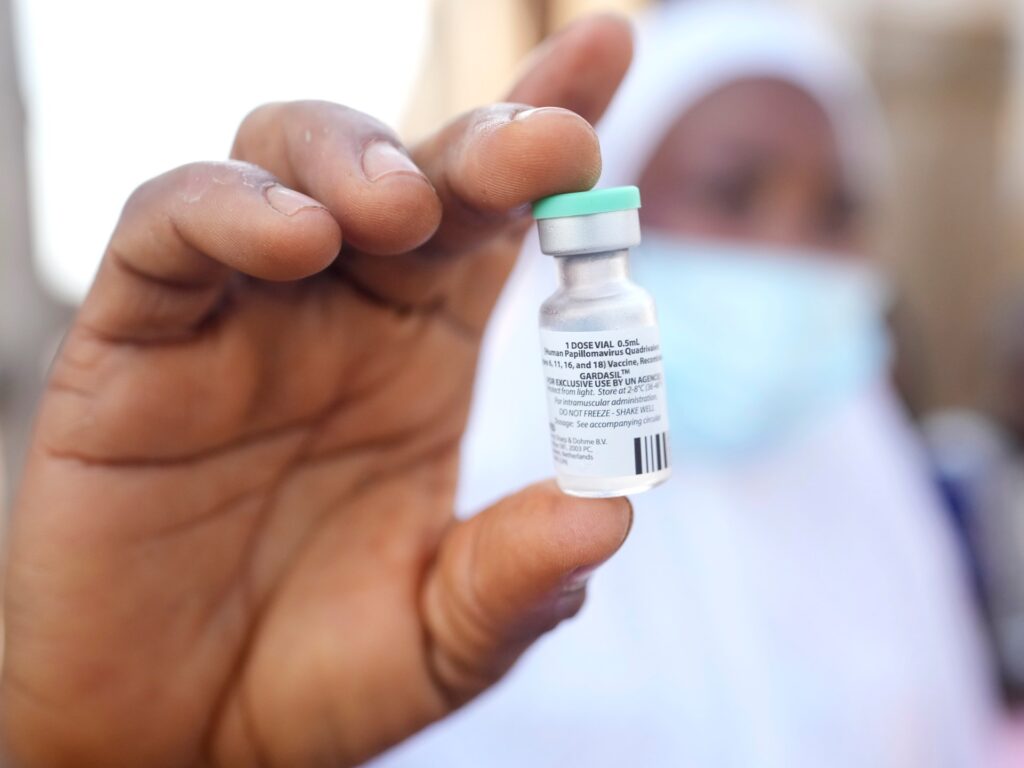
The human papillomavirus (HPV) vaccine has emerged as a groundbreaking tool in the fight against cervical cancer, demonstrating remarkable success in reducing mortality rates. Recent studies from the United Kingdom reveal that the risk of cervical cancer death before the age of 30 has been effectively reduced to zero among vaccinated individuals. This stunning outcome underscores the potential of widespread HPV vaccination programs to drastically lower cervical cancer incidences and deaths globally.
Cervical cancer, primarily caused by persistent infection with high-risk HPV types, has long been a significant health burden, particularly affecting women worldwide. Traditional screening methods, like Pap smears, have contributed to early detection and treatment, but vaccination attacks the problem at its root by preventing the initial infection.
Since the introduction of the HPV vaccine, countries with robust immunization programs have witnessed a decline in HPV infections, precancerous lesions, and ultimately, cervical cancer cases. The United Kingdom’s success is especially significant because it provides real-world evidence of the vaccine’s life-saving impact beyond clinical trials.
The comprehensive data shows that girls vaccinated in adolescence had an almost zero risk of dying from cervical cancer before age 30, marking a historic milestone in public health achievements. This translates to thousands of potential lives saved and substantial healthcare cost reductions.
Furthermore, the vaccine not only prevents cervical cancer but also reduces the risk of other HPV-related cancers, including anal, penile, and oropharyngeal cancers. This broad protection highlights the value of expanding vaccination programs to cover wider population groups.
Experts emphasize that achieving near elimination of cervical cancer deaths depends on maintaining high vaccination coverage, supporting regular screening, and enhancing public awareness. Disparities in vaccine access, especially in low- and middle-income countries, remain a critical challenge that needs urgent attention.
Global health organizations encourage governments to adopt and fund comprehensive HPV vaccination strategies, highlighting the long-term benefits of a cancer-free future. The UK data serves as strong motivation to accelerate similar efforts worldwide.
In conclusion, the HPV vaccine represents a powerful preventative measure poised to dramatically reduce, and potentially eliminate, cervical cancer deaths. The recent findings herald a new era in cancer prevention, offering hope that cervical cancer could one day become a rare disease rather than a leading cause of cancer mortality among women.