The United States Central Command (CENTCOM) has announced the cessation of all naval blockade enforcement efforts against Iranian ports, signaling a significant shift in the US military’s operational posture in the region. While the blockade, which had been a point of heightened tension between Iran and the United States, has been officially lifted, US forces will maintain their presence in the area to continue monitoring and ensuring regional security.
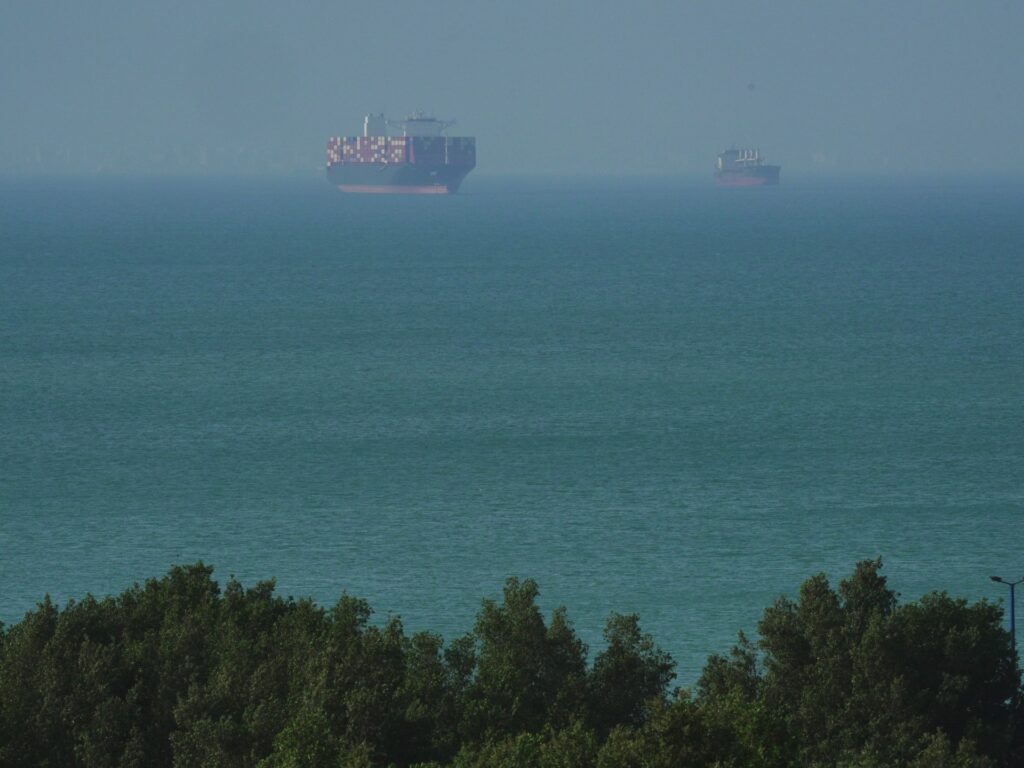
This development marks an important moment in the ongoing complex relationship between the US and Iran, particularly in the strategic waterways of the Persian Gulf and surrounding maritime zones which are critical for global energy supplies and international shipping routes. The blockade, originally instituted as a measure to apply pressure on Iran, affected Iran’s international trade and raised concerns among global stakeholders about economic stability and maritime safety.
CENTCOM’s statement clarifies that although the direct enforcement of the blockade will stop, the US military will not be withdrawing from the region. Instead, the forces will remain vigilant, maintaining readiness to respond to any emerging threats or escalations. This approach suggests a strategic balance aimed at de-escalating direct confrontations while sustaining a tactical position to influence regional security dynamics.
The lifting of the blockade can be viewed in several contexts. Diplomatically, it may open pathways for renewed dialogue or negotiations between the US and Iran, possibly related to nuclear agreements or regional influence. Economically, it alleviates immediate pressure on Iran’s ports and trade channels, potentially improving economic conditions and stability in a region long troubled by conflict and sanctions.
From a military perspective, the ongoing presence of US forces signifies a commitment to safeguarding freedom of navigation and ensuring that vital maritime corridors remain open and secure. This is crucial not only for regional countries but also for global markets dependent on uninterrupted energy exports and trade flows.
Experts suggest that this decision reflects a calculated strategy by the US to balance pressure with diplomacy, demonstrating resolve without escalating military conflict. It also underscores the complex nature of US-Iran interactions, where military, economic, and diplomatic tools are interwoven to manage a challenging geopolitical relationship.
Regional allies and international partners are closely watching these developments, as the stability of the Persian Gulf has far-reaching implications for energy security and international diplomacy. The situation remains fluid, and future actions will likely be influenced by developments on the diplomatic front, internal political pressures in both nations, and the broader geopolitical landscape.
In summary, the US military’s lifting of the naval blockade on Iranian ports while maintaining a strong regional presence highlights a nuanced approach to one of the most sensitive flashpoints in international relations today. It balances the immediate relief of economic pressures on Iran with continued vigilance against potential threats, keeping open the possibility for future diplomatic engagement while ensuring maritime security in a vital global corridor.