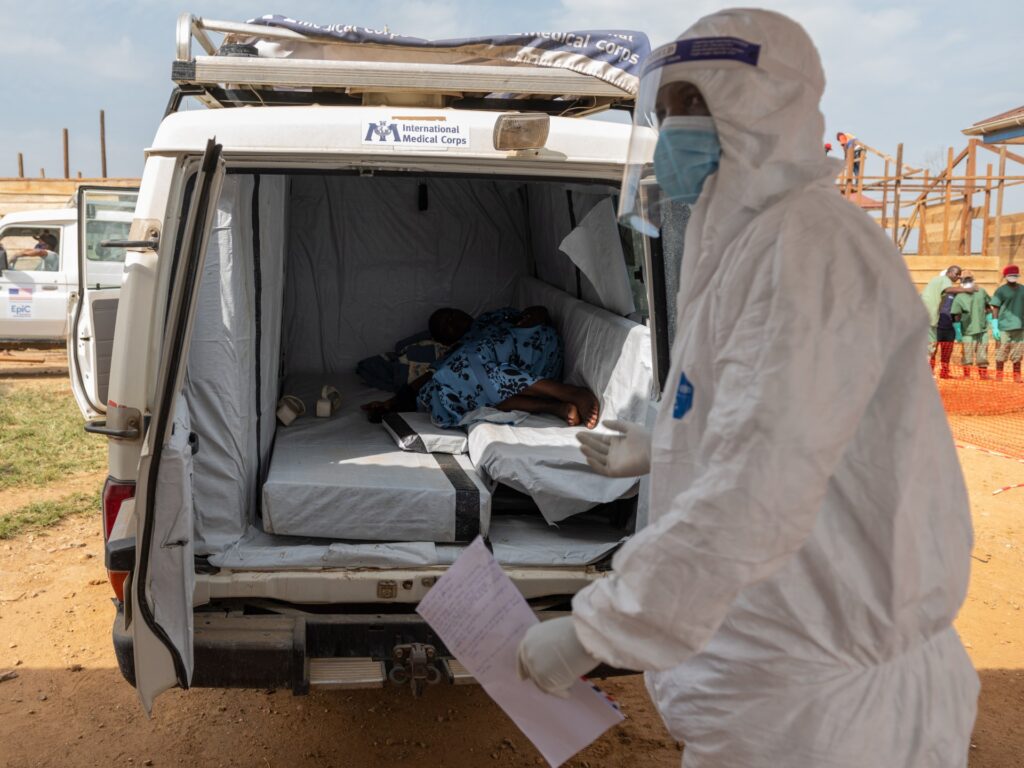
Health experts have issued grave warnings that the latest Ebola outbreak could become the worst in history. The virus is spreading more rapidly than health workers can track, exacerbating concerns about containment and prevention efforts. Officials say the pace of transmission is outstripping the capacity of epidemiologists and frontline health workers to trace contacts and isolate cases effectively.
One of the critical challenges exacerbating the situation is the significant drop in international funding for Ebola response efforts. Previously, large funds were allocated to contain such outbreaks, but recent financial support has greatly diminished, leaving response teams under-resourced in the face of escalating cases. This shortfall affects everything from protective equipment and treatment centers to staff recruitment and community awareness campaigns.
The virus’s rapid spread is partly attributed to complex factors including local population movements, dense urban settings, and sometimes insufficient public health infrastructure in affected regions. These factors complicate contact tracing and quarantine measures, key tools in slowing down the outbreak’s momentum.
Experts highlight that without swift and enhanced intervention, the outbreak could overwhelm healthcare systems, not only in the affected countries but potentially beyond. The fear is that the virus might spill over into neighboring regions or countries, creating a wider crisis.
The World Health Organization and partner organizations have reiterated the importance of increased funding and support. They urge the global community to act decisively to prevent a catastrophic public health emergency.
Additionally, vaccination campaigns, though ongoing, face logistical hurdles that delay timely administration to at-risk populations. Maintaining high vaccination coverage is critical to breaking chains of transmission and protecting vulnerable groups.
Public health officials are calling for increased international cooperation, community engagement, and sustained investment in health infrastructure. They remind that Ebola outbreaks, while challenging, have historically been contained through coordinated, well-funded responses.
In summary, the current Ebola outbreak poses an unprecedented threat due to its rapid spread, inadequate tracking, and reduced international financial support. Immediate coordinated global action is essential to prevent what experts fear could be the deadliest Ebola crisis yet.