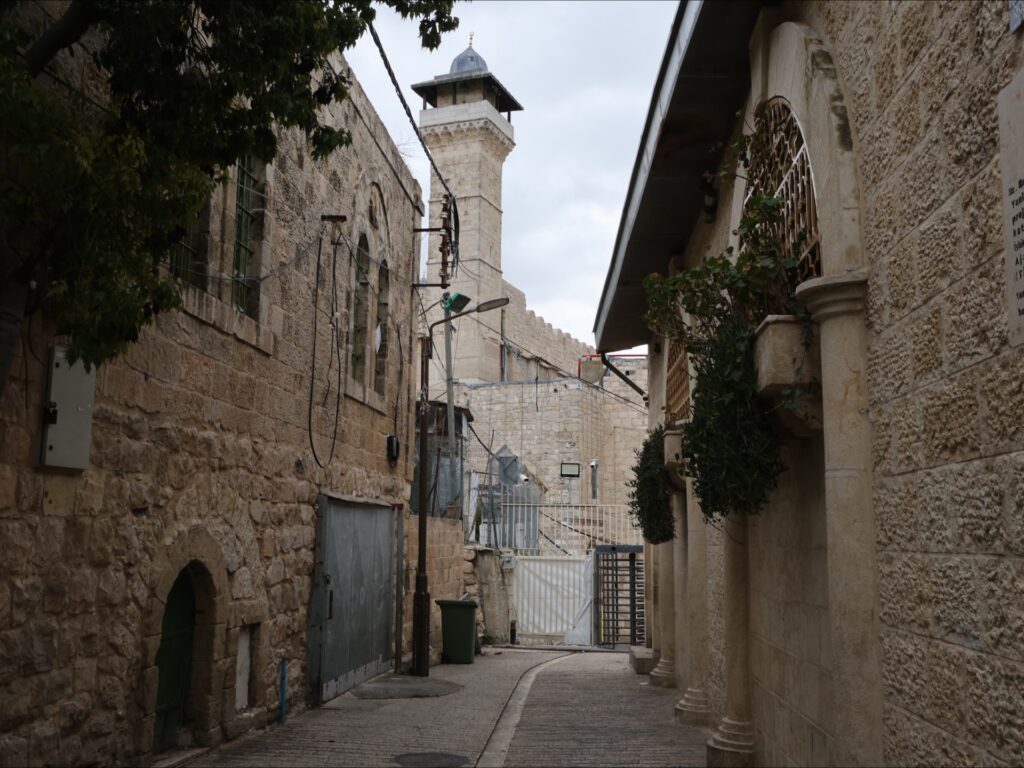
In a recent development that has escalated tensions in the region, Israel has taken control of a mosque in the occupied West Bank, a move that has significant implications for Palestinian communities living there. The mosque, located in Hebron, had been under Palestinian administration, and its seizure has triggered strong reactions from local and international stakeholders.
Hebron’s mayor has issued a stern warning against this unilateral action, emphasizing that such changes violate existing agreements designed to maintain stability and peace in the region. The mayor highlighted that this seizure could undermine trust, exacerbate conflicts, and destabilize the delicate balance necessary for coexistence.
The occupied West Bank has long been a hotspot for disputes over religious and territorial control, with Hebron being one of the most sensitive areas due to its religious significance for both Palestinians and Israelis. The recent power shift over the mosque is seen as part of a broader pattern of actions that challenge the status quo agreed upon in past negotiations.
Palestinian representatives have condemned the move, stating that it infringes on their religious rights and sovereignty, and have called on the international community to intervene. They warn that such unilateral measures could provoke protests and intensify clashes between Palestinian residents and Israeli security forces.
Israeli officials, on the other hand, justify the seizure by citing security concerns, though details remain sparse. They argue that controlling the mosque is essential to prevent unlawful activities and maintain order. Critics argue this rationale masks a broader strategy to assert greater control over contested areas in the West Bank.
International reactions have been mixed but generally tend to express concern over unilateral actions that unsettle the region. The United Nations and various human rights organizations have called for restraint and dialogue to address disputes peacefully.
The situation underscores the fragile nature of agreements currently in place to manage religious and territorial disputes in the West Bank. Experts warn that breaches could have far-reaching consequences beyond Hebron, potentially impacting wider Israeli-Palestinian relations and regional stability.
For residents of Hebron, the mosque represents more than just a place of worship; it is a symbol of heritage and identity. The seizure has therefore struck a sensitive nerve, affecting not only politics but also the social fabric of the community.
As the situation evolves, international observers are closely monitoring developments. The hope remains that diplomatic efforts can avert further escalation and promote a sustainable resolution respecting the rights and traditions of all communities involved.
This incident serves as a reminder of the ongoing complexities and deep-seated tensions in the occupied West Bank, highlighting the urgent need for renewed dialogue and peaceful conflict resolution strategies to ensure long-term peace and stability in the region.