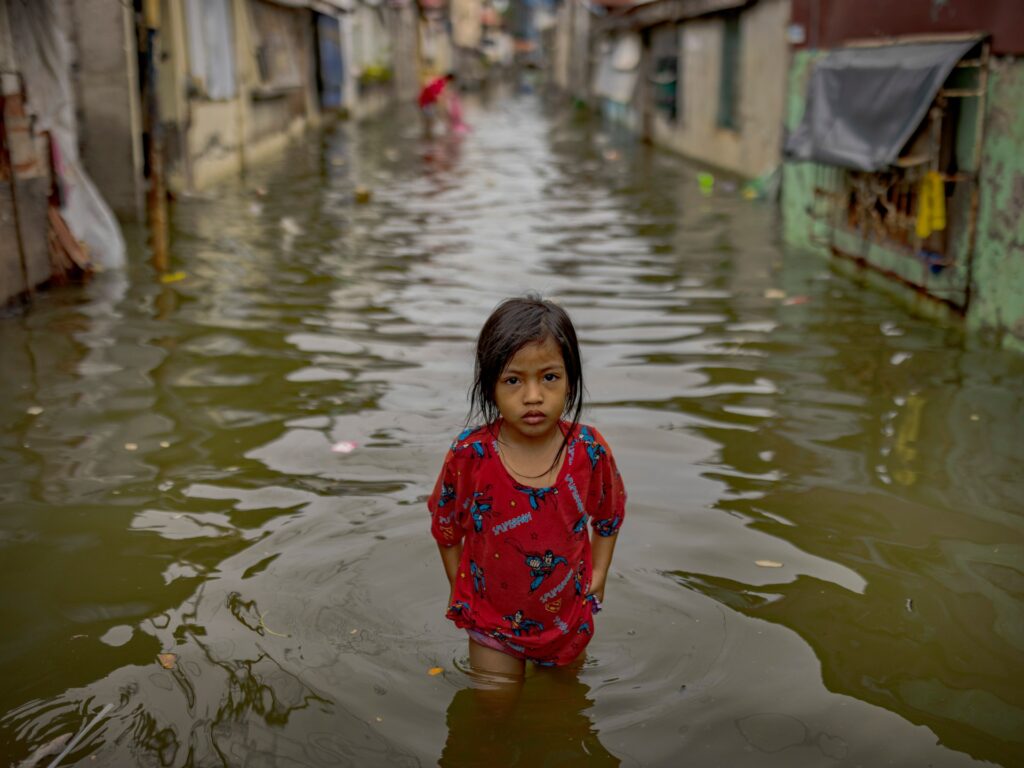
A recent comprehensive report reveals that almost every child across the globe is currently exposed to at least one climate-related hazard, underscoring the escalating threats posed by climate change. This alarming finding calls for urgent global action and the rapid acceleration of the green transition to safeguard the health and future of younger generations.
The study, which analyzed multiple climate risks on a worldwide scale, highlights that children are disproportionately vulnerable to environmental stressors such as extreme heat, drought, floods, and storms. These hazards not only compromise their immediate safety but also threaten long-term development by affecting food security, health, education, and overall wellbeing.
Experts emphasize that children’s limited capacity to adapt to environmental changes makes them particularly susceptible to the impacts of climate hazards. Heatwaves can lead to increased illness and mortality, while floods and storms can destroy homes, schools, and access to clean water. Droughts exacerbate malnutrition and limit economic opportunities for affected communities.
The report further indicates that climate change is not an isolated problem; it intensifies existing social inequities. Vulnerable populations, including children in low-income regions or conflict zones, face heightened risks due to less adaptive capacity and inadequate infrastructure.
Given the pervasive exposure of children to environmental risks, the report strongly advocates for accelerated efforts towards a green transition—including a shift to renewable energy sources, sustainable agriculture, and resilient infrastructure development. Such a transition is deemed essential to curb emissions, mitigate climate risks, and foster a sustainable and equitable future.
Global leaders and policymakers are urged to prioritize investments in climate adaptation and mitigation measures specifically aimed at protecting children. Educational campaigns, improved healthcare services, and community-based support systems are crucial to build resilience among young populations and empower them to cope with climate challenges.
The report also stresses the importance of involving children and youth in climate policy and decision-making processes. Their perspectives and innovative ideas can contribute significantly to crafting effective solutions and fostering a culture of environmental stewardship.
Overall, this grim reality demands collective responsibility and urgent global cooperation. As climate-induced hazards continue to escalate, protecting the world’s children requires immediate, comprehensive, and inclusive action to ensure a sustainable future for all generations.