In recent developments, Israel has begun using so-called ‘battlefield evidence’ to prosecute Palestinians in foreign courts, particularly in Europe. This legal strategy involves leveraging material allegedly gathered during military operations or conflicts involving Hamas and other Palestinian groups.
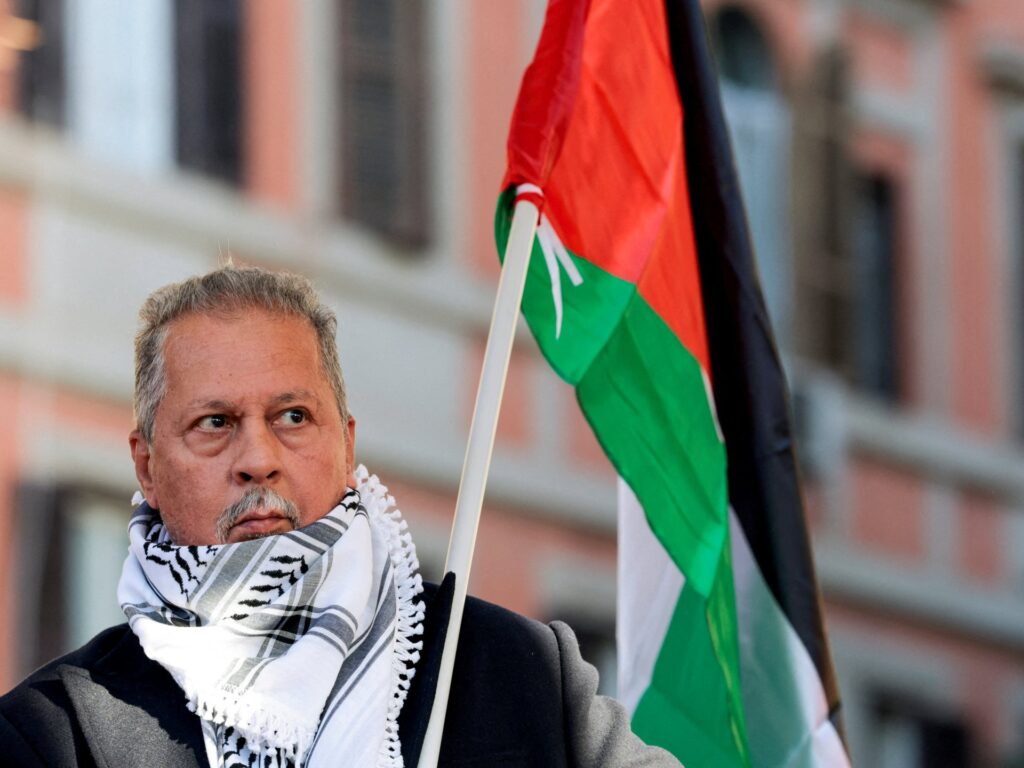
Palestinian activists who are supporting Hamas or associated causes have found themselves increasingly subject to legal scrutiny in European countries. Prosecutors in Europe have relied on the evidence provided by Israeli authorities to build cases against these activists, leading to trials and convictions despite the geographical distance from the original conflict zones.
This practice has sparked considerable controversy and criticism. Critics argue that the use of ‘battlefield evidence’ in civilian courts abroad raises serious questions about the evidentiary standards and the legitimacy of such prosecutions. They note that evidence gathered during wartime or military operations is often contested and may not meet the rigorous criteria required in civilian judicial systems.
Supporters of this approach, however, argue that it is a necessary step to hold accountable those who provide material or ideological support to organizations designated as terrorist groups, such as Hamas. They emphasize the need for international cooperation in combating terrorism and its financing.
European governments are now facing a complex challenge. On one hand, they want to uphold the rule of law and respect human rights, and on the other, they seek to prevent their territories from being used as platforms for fundraising, recruitment, or propaganda activities linked to militant groups.
The use of Israeli ‘battlefield evidence’ also intersects with broader geopolitical issues, such as the ongoing Israeli-Palestinian conflict and international efforts to mediate peace. Critics caution that these prosecutions might further inflame tensions and complicate regional dynamics.
Legal experts have highlighted that the evidentiary procedures in these cases require meticulous examination to ensure fairness, given the high stakes involved for the defendants. Defense lawyers contend that their clients are often targeted based on politically motivated evidence, undermining due process.
The situation underscores the evolving nature of global counterterrorism efforts, where national boundaries blur, and evidence collected in conflict zones can have ramifications thousands of miles away.
As this practice continues, human rights organizations, legal scholars, and international bodies are calling for clear guidelines and transparency in how such evidence is used in foreign courts. They advocate for safeguards that protect the rights of defendants while balancing the need to prevent support for extremist groups.
Meanwhile, Palestinian activists remain vocal about what they see as an infringement on political expression and an instrumentalization of legal systems to suppress dissent.
The intersection of military evidence and international law presents a challenging frontier, highlighting the complex interplay of security, justice, and political rights in an increasingly interconnected world.