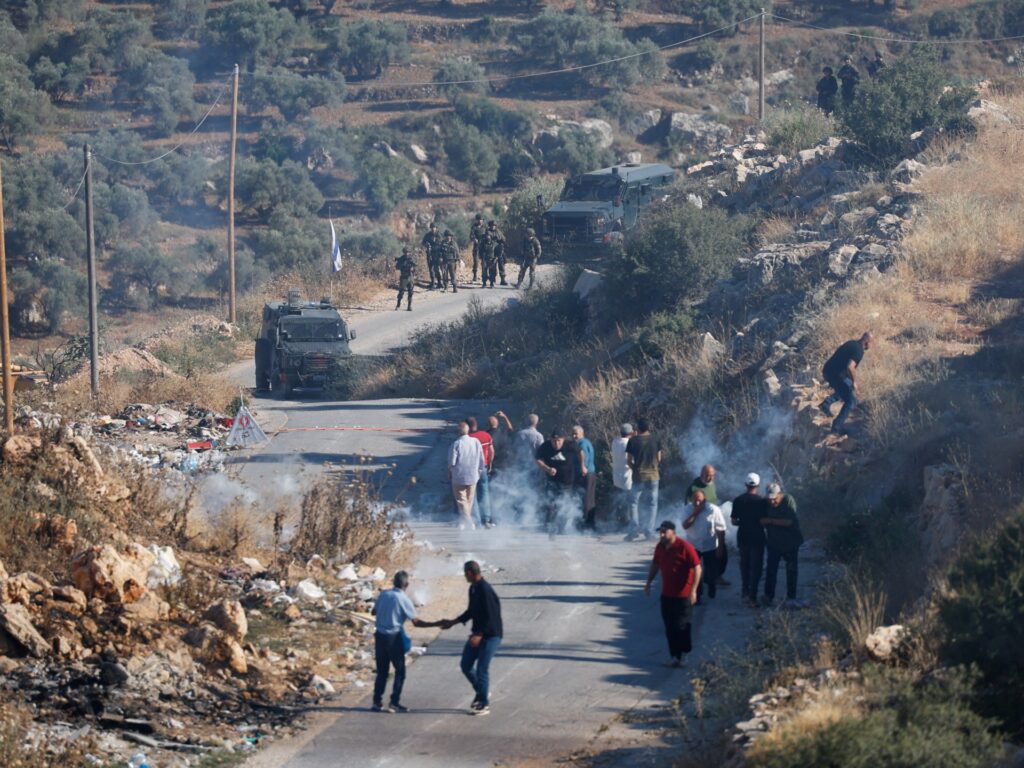
In the latest developments concerning the Israeli-Palestinian conflict, the international community has intensified its response to Israeli settlement activities in the West Bank. Governments and international organizations have implemented a series of sanctions targeting Israeli settlers, condemning actions widely viewed as exacerbating tensions in the region.
Amnesty International has sharply criticized these settlement activities, labeling the situation in the West Bank as “state-sponsored ethnic cleansing.” The rights group argues that these moves by the Israeli government amount to systematic displacement and demographic engineering aimed at undermining Palestinian communities.
Amid these accusations, several international allies have taken decisive measures to hold Israeli officials accountable. Notably, Finance Minister Bezalel Smotrich, a controversial figure known for his strong support of settlement expansion, has been barred from entering multiple countries. This diplomatic barring underscores growing frustration with the Israeli government’s policies perceived as fostering illegal settlements.
The expansion of settlements remains a highly contentious issue, drawing condemnation from many parts of the world. Critics argue that these developments violate international law, specifically United Nations resolutions that consider Israeli settlements in occupied Palestinian territories illegal. The settlements complicate the possibility of achieving a two-state solution, widely regarded as the most viable path to peace in the region.
Despite international pressures, the Israeli government continues to fund settlement projects actively. Budget allocations have increased, enabling further construction and infrastructure development in these contested areas. Critics argue that this fiscal support signals official endorsement of settlement expansion, undermining peace efforts and the rights of Palestinian residents.
As tensions escalate, the situation remains volatile with potential for further unrest. Palestinians feel increasingly marginalized and pressured, while Israeli settlers feel emboldened by government backing. The ongoing conflict poses significant challenges for diplomatic efforts seeking to restore stability and advance negotiations toward a comprehensive peace agreement.
Observers warn that the continuation of settlement activities coupled with international sanctions may deepen divisions and prolong the conflict. There is widespread consensus among global actors that a durable solution requires addressing the underlying issues of territorial claims, rights of displaced populations, and legal status of settlements.
The international community faces growing urgency to balance diplomatic pressure with constructive engagement. While sanctions serve as a tool to signal disapproval and induce policy changes, sustained dialogue remains essential to reaching a peaceful resolution. Both Israeli and Palestinian parties must navigate complex political realities to find common ground and prevent further deterioration of the situation.
Efforts by humanitarian organizations call for increased attention to the human impact of the conflict. Displacement, restrictions on movement, and violations of rights continue to affect daily lives of Palestinians living in and around the settlements. Advocates emphasize the necessity of upholding international laws and conventions designed to protect civilians in conflict zones.
In conclusion, the latest round of sanctions on settlers and diplomatic measures against key Israeli politicians reflect heightened international concern over settlement activities. However, with concurrent financial backing from the Israeli government, the path forward remains fraught with challenges. Ongoing monitoring, diplomatic initiatives, and humanitarian interventions will be crucial in shaping the future dynamics of the Israeli-Palestinian conflict and striving towards a just and lasting peace.