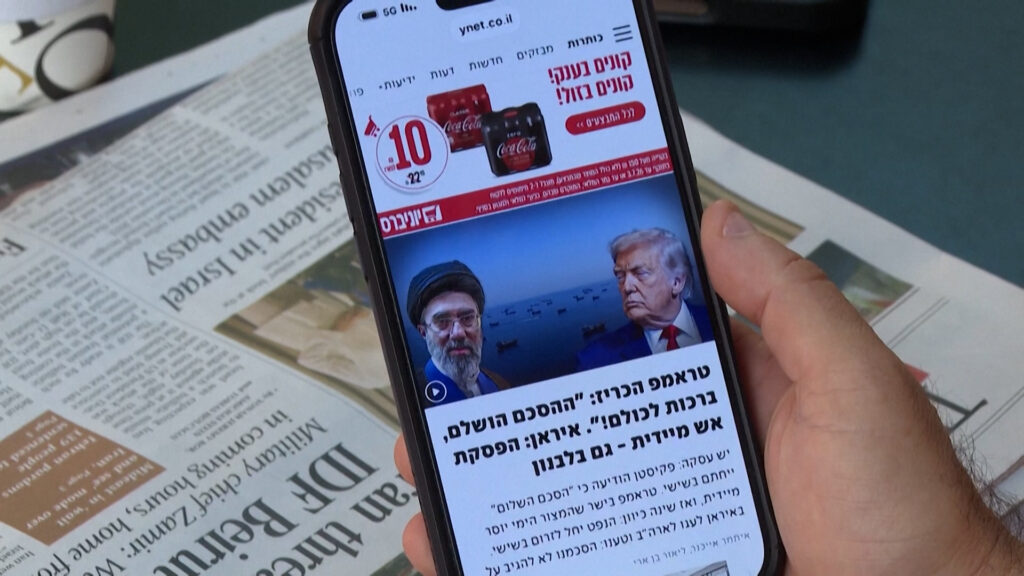
The international community has largely welcomed a tentative peace deal between the United States and Iran aimed at ending ongoing war tensions. This agreement, seen as a significant diplomatic breakthrough, promises to bring much-needed stability to a region long plagued by conflict.
Governments around the world have expressed optimism and hope that the deal will pave the way for lasting peace in the Middle East. Nations emphasized the importance of dialogue and negotiation in resolving conflicts and underscored their support for diplomatic efforts that prevent further violence.
The US and Iran, historically adversaries, have engaged in intense negotiations culminating in this preliminary accord. While specifics of the deal remain closely guarded, it reportedly includes measures to de-escalate military actions and foster cooperation on key issues.
International leaders hailed the agreement as a brave and necessary step towards reconciliation and regional security. Many highlighted how such peace initiatives can serve as a model for resolving other global conflicts.
However, not all reactions were positive. Israel, a close ally of the United States and a nation deeply affected by Iranian policies, criticized the deal. Israeli officials voiced concerns that the agreement undermines their security interests and might embolden Iran’s regional ambitions.
The Israeli government cautioned that any peace agreement must address underlying threats and ensure long-term stability. They advocate for a more comprehensive approach that includes stringent measures against activities perceived as hostile.
Despite Israeli reservations, the majority of the global community supports the peace efforts, underscoring the urgent need for cessation of hostilities and return to diplomatic channels.
The deal’s effect on regional dynamics, especially regarding security arrangements and economic relations, remains to be seen. Analysts suggest that if successful, it could lead to broader cooperation in areas such as trade, cultural exchange, and counterterrorism.
Observers note that while the peace deal is a positive development, continued vigilance and engagement will be necessary to monitor compliance and encourage constructive behavior from all parties.
In conclusion, the US-Iran peace deal represents a hopeful milestone for the international community aimed at ending conflict and fostering stability. The global chorus of support highlights a shared desire for peace despite differing national interests, as the world watches closely to see if this tentative arrangement will lead to lasting resolution or face challenges ahead.