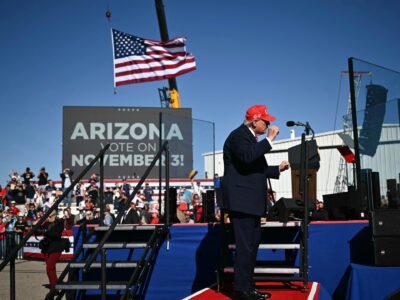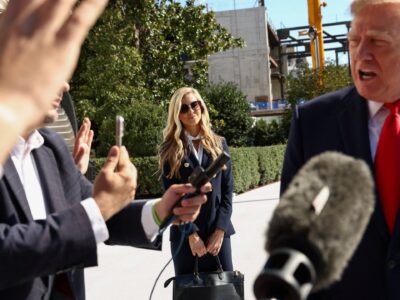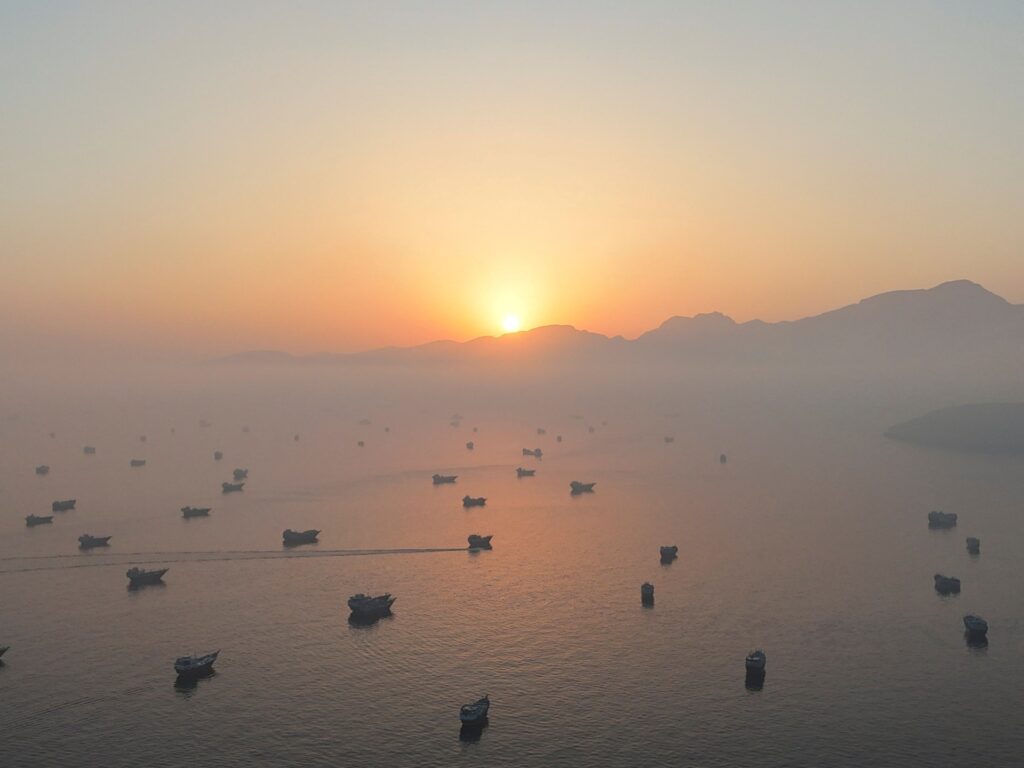
In a recent statement, former President Donald Trump asserted that ships are ‘starting to move’ again through the Strait of Hormuz, a critical passageway for global oil shipments. This statement comes in the wake of escalating tensions in the region and after an Iranian official proposed imposing tolls on vessels passing through the strait.
The Strait of Hormuz, situated between the Persian Gulf and the Gulf of Oman, is one of the most strategically important chokepoints for global energy supplies. Approximately one-fifth of the world’s petroleum passes through this narrow waterway, making any disruption a significant concern for international markets and geopolitical stability.
Trump’s claim follows reports that Iran has floated the idea of charging tolls on ships navigating the strait. This proposal was made just a day after the United States and Iran announced plans for an initial deal expected to be signed on Friday. The nature of this preliminary agreement remains under wraps, but it is widely viewed as a step toward easing tensions between the two countries.
Since the announcement, maritime activities in the Strait of Hormuz have been closely monitored by international observers and naval forces. The region has witnessed bouts of heightened military presence and incidents involving oil tankers over the past years, fueled by contentious relations between the US and Iran.
The imposition of tolls by Iran could complicate the already fragile geopolitical landscape and impact global oil prices. Such a move might be perceived as a form of economic leverage or pressure, potentially leading to increased friction with Western nations and their allies.
Analysts suggest that Trump’s remark about ships resuming movement could signal an improvement in maritime traffic flow, possibly tied to diplomatic developments. However, skepticism remains about the long-term stability of the situation, given the unpredictability of Iran’s actions and the complex interplay of regional powers.
The statement by Trump has elicited varied responses. Supporters view it as an indication that diplomatic efforts are leading to tangible results, while critics warn of prematurely optimistic interpretations that could overlook on-the-ground realities.
The upcoming deal, slated for signing on Friday, is being watched closely by the international community. It is anticipated to address sanctions, nuclear program oversight, and security assurances, all factors intimately tied to the control and use of the Strait of Hormuz.
Maritime experts highlight the importance of maintaining open and secure shipping lanes in the strait to ensure the uninterrupted flow of trade and energy supplies. Any disruptions could have ripple effects across global markets, affecting everything from fuel prices to manufacturing costs.
In conclusion, while Trump’s assertion that ships are ‘starting to move’ through the Strait of Hormuz offers a glimpse of hope toward normalizing activities in this volatile region, many complexities remain. The interplay of diplomatic negotiations, regional power dynamics, and economic considerations will continue to shape the future of this crucial maritime corridor.
As parties prepare for the upcoming deal signing, stakeholders around the world remain vigilant, hoping for stability but preparing for possible contingencies amidst an evolving geopolitical landscape.