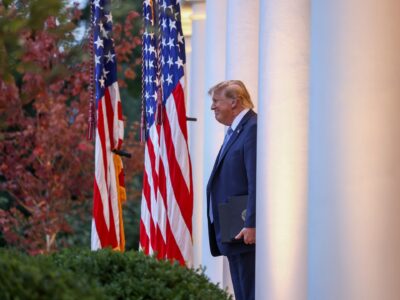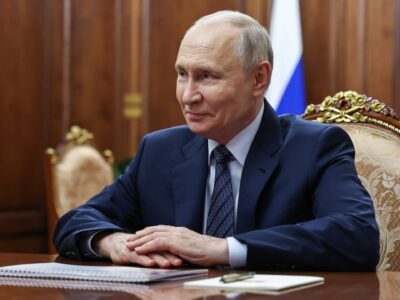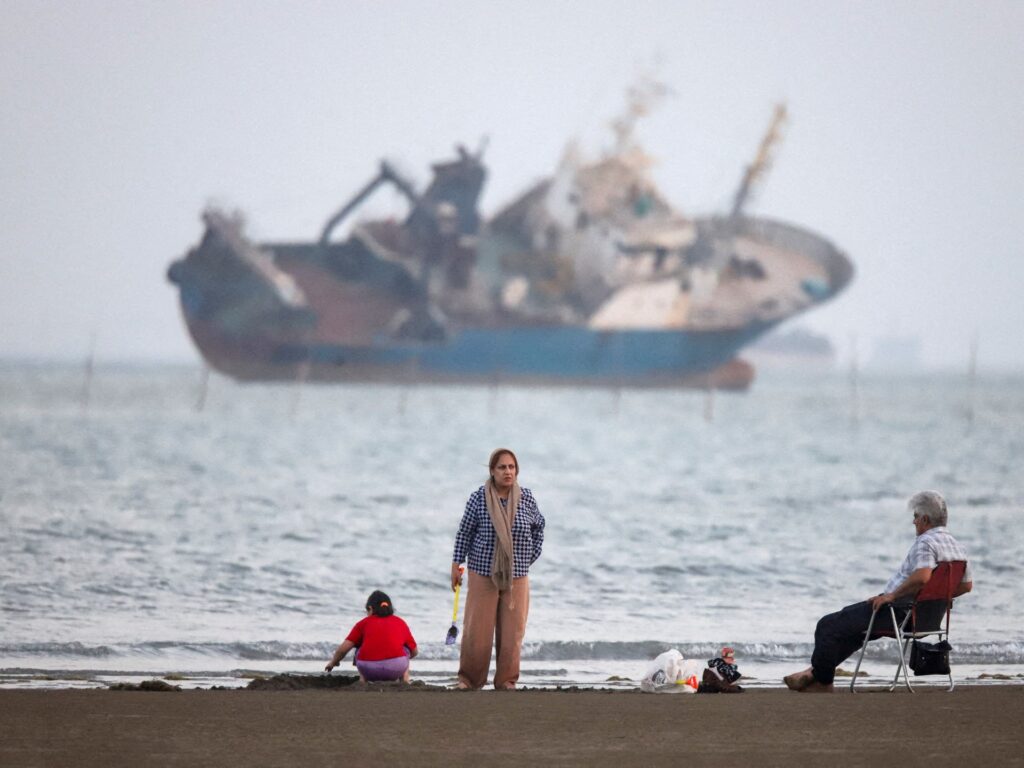
In a groundbreaking development in international relations, the United States and Iran are reportedly set to sign a peace deal this coming Friday. The announcement was made by former US President Donald Trump, who stated that the deal is expected to formally end hostilities between the two nations. This declaration marks a significant shift in the diplomatic landscape, offering hope for a more stable and cooperative future in the volatile Middle East region.
Details surrounding the deal remain limited, but both Washington and Tehran have expressed a mutual desire to move past years of conflict and sanctions. Iranian officials have confirmed their intention to end all hostile actions against the United States as part of the agreement. This suggests a commitment to diplomatic engagement and potentially greater economic and political collaboration.
The historical context of US-Iran relations has been tumultuous since the 1979 Islamic Revolution, which led to decades of estrangement and conflict, punctuated by proxy wars, sanctions, and rhetoric. This peace deal could mark a turning point, fostering dialogue and reducing tensions that have impacted global security and economic stability.
Analysts believe the deal might involve concessions from both sides, including easing of sanctions by the US and curtailing Iran’s nuclear ambitions with strict monitoring protocols. Such measures could pave the way for Iran to reintegrate into the global economy and for the US to secure its strategic interests in the region.
International leaders have cautiously welcomed the news, urging both parties to honor their commitments and ensure lasting peace. The deal is expected to include mechanisms for cooperation on regional security, counterterrorism, and the protection of shipping lanes in critical waterways.
While the announcement has sparked optimism, some skepticism remains, given the complex history and deep-rooted mistrust. However, experts suggest that the changing geopolitical dynamics, including the global desire for stability and economic development, have created a conducive environment for such a historic agreement.
The signing ceremony, scheduled for this Friday, will be closely watched by governments and media worldwide. It symbolizes not only a potential end to hostility but also the power of diplomacy over confrontation.
In summary, the US-Iran peace deal represents a beacon of hope after years of tension. If successfully implemented, it could transform relations between the two nations, influence regional geopolitics positively, and contribute to global peace efforts. Further details will likely emerge post-signing, clarifying the terms and scope of this landmark agreement.