In a major breakthrough in the fight against terrorism, more than 360 individuals abducted by the militant group Boko Haram have been rescued in northeastern Nigeria. The victims, including men, women, and children, were reportedly held captive under harrowing conditions by the insurgents.
The rescued individuals have recounted harrowing tales of their captivity, describing how they were forced into confined spaces and treated like animals. Many were subjected to harsh physical and psychological abuse, highlighting the brutal tactics employed by Boko Haram to instill fear and maintain control over their captives.
Officials from the Nigerian military and humanitarian organizations coordinating the rescue efforts confirmed the operation’s success, which involved complex intelligence gathering and coordinated military action. The rescue marks a significant victory in the ongoing campaign to dismantle Boko Haram’s influence in the region.
The northeastern states of Borno, Yobe, and Adamawa have been the primary areas affected by Boko Haram’s insurgency, with numerous abductions and attacks taking place over the past decade. The group’s violent campaigns have led to widespread displacement, economic disruption, and loss of life.
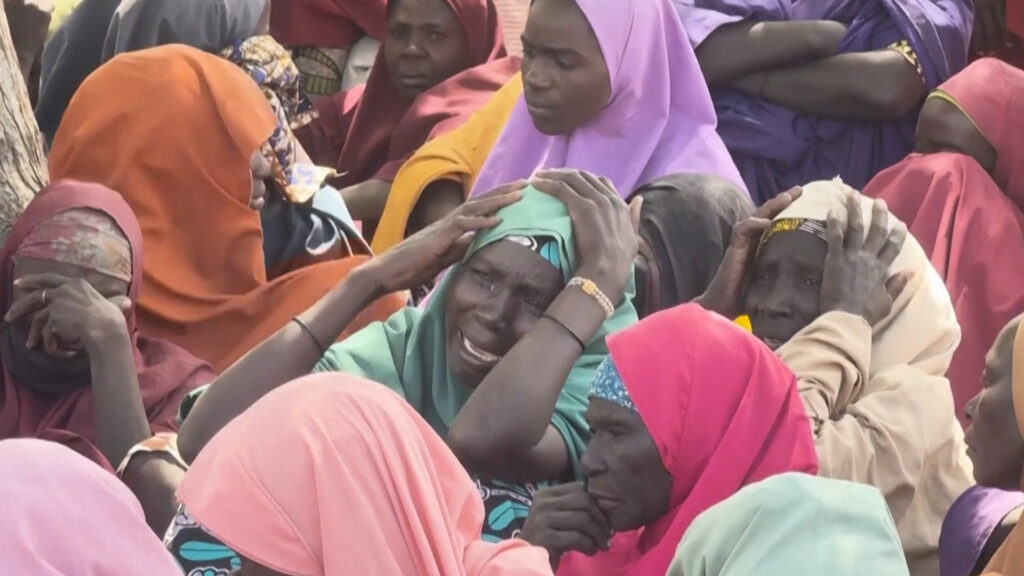
Human rights advocates welcomed the rescue and called for increased efforts to rehabilitate the survivors. Many of the freed individuals require urgent medical care, psychological counseling, and support to reintegrate into their communities after enduring prolonged trauma.
The Nigerian government has pledged to strengthen security measures to prevent future abductions and to bring perpetrators to justice. International partners are also expected to increase support for counter-terrorism initiatives and humanitarian aid.
This mass rescue operation shines a light on the resilience of the survivors and the determination of security forces to restore peace and stability to a region long plagued by violence. It also underscores the ongoing challenges faced by Nigeria and the global community in combating extremist groups that threaten innocent lives.
As the liberated individuals begin the process of recovery and rebuilding their lives, the focus now shifts to addressing the underlying issues fueling the conflict, including poverty, lack of education, and weak governance. Continued vigilance and cooperation are essential to ensure such atrocities do not recur and to support sustainable development in northeastern Nigeria.