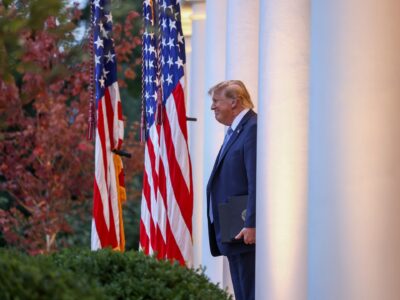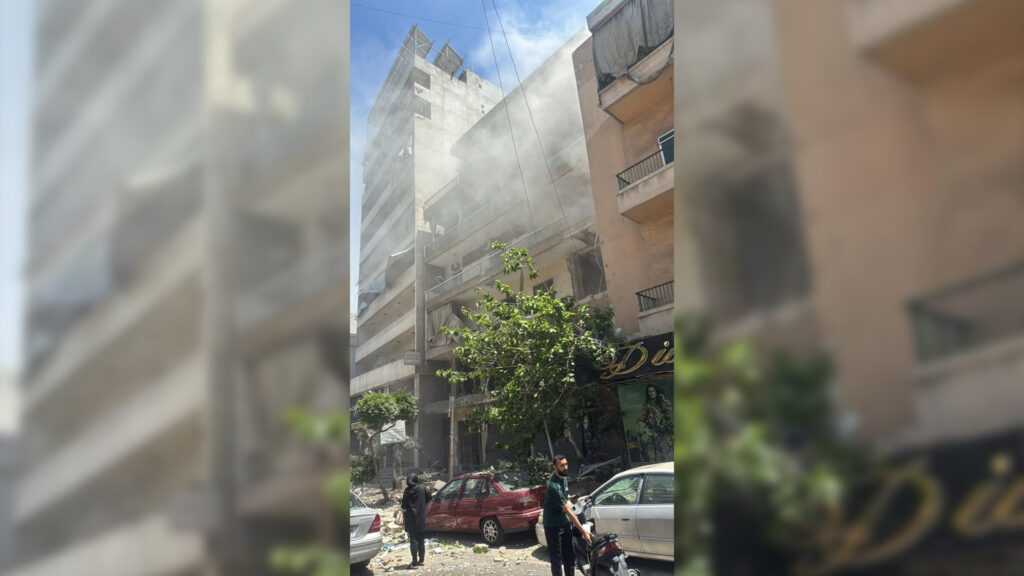
On a day marked by significant geopolitical developments, Israel launched an attack on the southern suburbs of Beirut, Lebanon, targeting what it described as Hezbollah infrastructure. This military action coincided with a major announcement by former U.S. President Donald Trump, who stated that a deal with Iran was going to be signed, bringing increased attention to the volatile region.
The strike on Beirut, a city that has seen repeated conflicts over the years, has once again highlighted the fragile state of peace in the Middle East. Israeli officials asserted that their operations were precise, aimed at dismantling the capabilities of Hezbollah, a Shiite militant group and political party based in Lebanon, which has been designated as a terrorist organization by Israel and several other countries.
Hezbollah has historically been involved in direct conflicts with Israel and has significant influence in Lebanese political and military affairs. The group is also backed by Iran, which adds a layer of complexity to the Middle Eastern power dynamics.
The timing of the attack is particularly notable as it coincided with Trump’s announcement concerning the Iran nuclear deal, formally known as the Joint Comprehensive Plan of Action (JCPOA). Trump indicated that despite his previous skepticism and administration’s withdrawal from the original deal in 2018, a new agreement was forthcoming.
This unexpected development stirred a wave of reactions from international leaders and analysts. Many experts viewed Israel’s military operation as a demonstration of strength or a preemptive move to assert its position amid changing U.S.-Iran relations. Others feared the attack could escalate tensions between Lebanon and Israel, potentially destabilizing the already fragile region.
Lebanon’s government condemned the Israeli strike, labeling it a violation of its sovereignty and a threat to civilian lives. Global organizations have called for restraint from all parties involved to avoid further escalation.
The situation underscores the enduring conflict between Israel and Hezbollah, compounded by broader regional disputes involving Iran’s influence. The Iran nuclear deal itself has been a contentious issue, with many nations closely monitoring its implications on nuclear proliferation, security, and diplomatic relations.
International negotiations continue to focus on stabilizing the region, promoting dialogue, and preventing further violence. Meanwhile, the civilians in Beirut and southern Lebanon remain caught in the crossfire, facing uncertainty and disruption amidst the geopolitical turmoil.
As events unfold, the world watches closely to see how the new Iran deal, Israeli military actions, and Hezbollah’s responses will shape the future of peace and security in the Middle East.