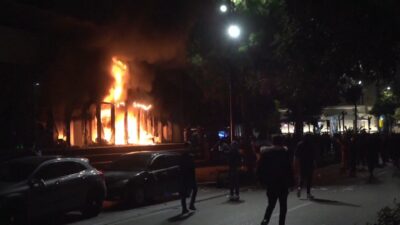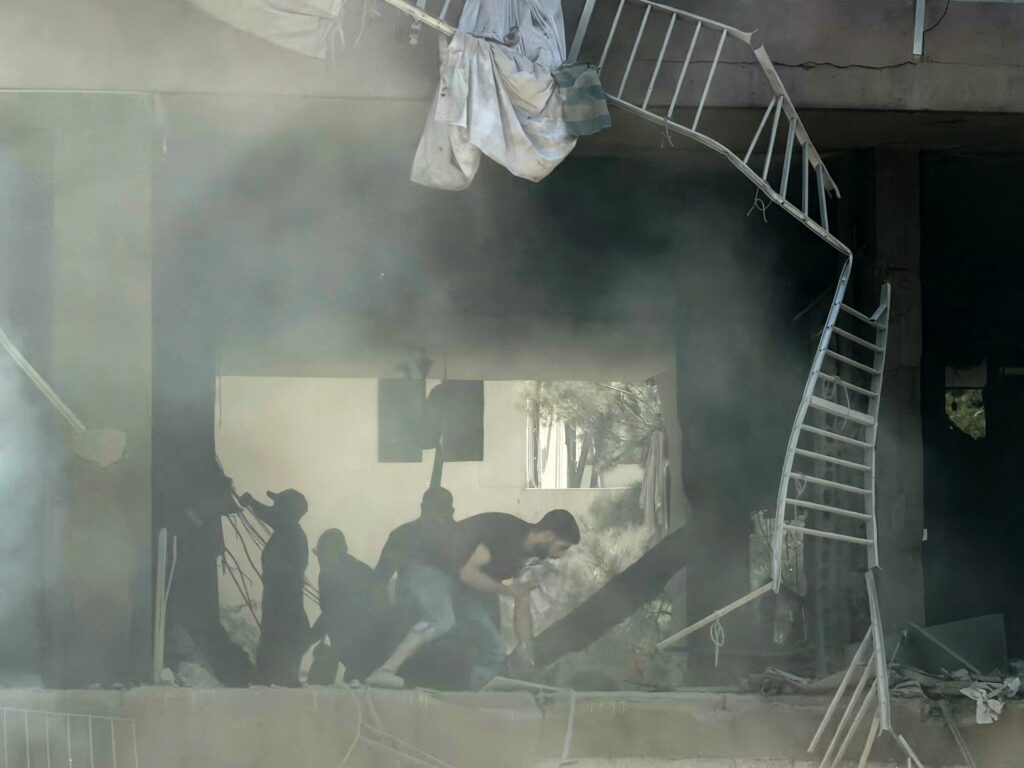
In a significant escalation in the ongoing conflict between Israel and Hezbollah, the Israeli military conducted air strikes on southern Beirut, Lebanon, following allegations that Hezbollah fired a drone towards Israeli territory. This marked a sharp increase in tensions in the volatile region and raised concerns about a broader conflict.
The Israeli Defense Forces (IDF) stated that the drone fired by Hezbollah was intercepted and posed a security threat to Israeli cities near the border. In response, Israel targeted what it described as Hezbollah military infrastructure and intelligence sites in the southern suburbs of Beirut, areas known to harbor Hezbollah operatives and strategic assets.
This military exchange comes at a time of heightened tensions in the Middle East, with various actors influencing the geopolitical landscape. Iran, a longstanding supporter of Hezbollah, publicly warned that any peace negotiations involving Israel and the United States must include Lebanon as a key party. Iranian officials emphasized that without Lebanon’s participation, any peace deal would be incomplete and potentially destabilizing.
The Israeli government has issued warnings of further attacks should Hezbollah continue to engage in hostile actions. This latest incident underscores the fragile nature of peace and security in the region, where proxy conflicts often escalate rapidly.
Lebanese authorities have expressed concern over the Israeli strikes on Beirut, calling for restraint from all involved parties. The international community, including the United Nations and major powers, is closely monitoring the situation, urging de-escalation and a return to diplomatic dialogue.
The incident highlights the complex dynamics in Lebanon, where Hezbollah commands significant influence as both a political and militant organization. The group is considered a terrorist organization by Israel and several other countries, but it also holds a parliamentary presence in Lebanon.
Iran’s insistence on Lebanon’s inclusion in peace talks reflects its strategic interest in maintaining influence over its proxy groups and shaping the future of the region. This stance complicates efforts by the United States and its allies to push for direct negotiations with Israel aimed at stabilizing the Middle East.
As Israel continues to secure its borders and assert its stance against perceived threats from Hezbollah, the risk of further military confrontations remains high. Analysts warn that any miscalculation could lead to a wider conflict, drawing in regional and international actors.
This recent flare-up is a reminder of the entrenched divisions and unresolved issues that fuel conflict in the Middle East. It underscores the urgent need for inclusive and comprehensive peace initiatives that address the concerns of all parties involved, including Lebanon and its diverse political factions.