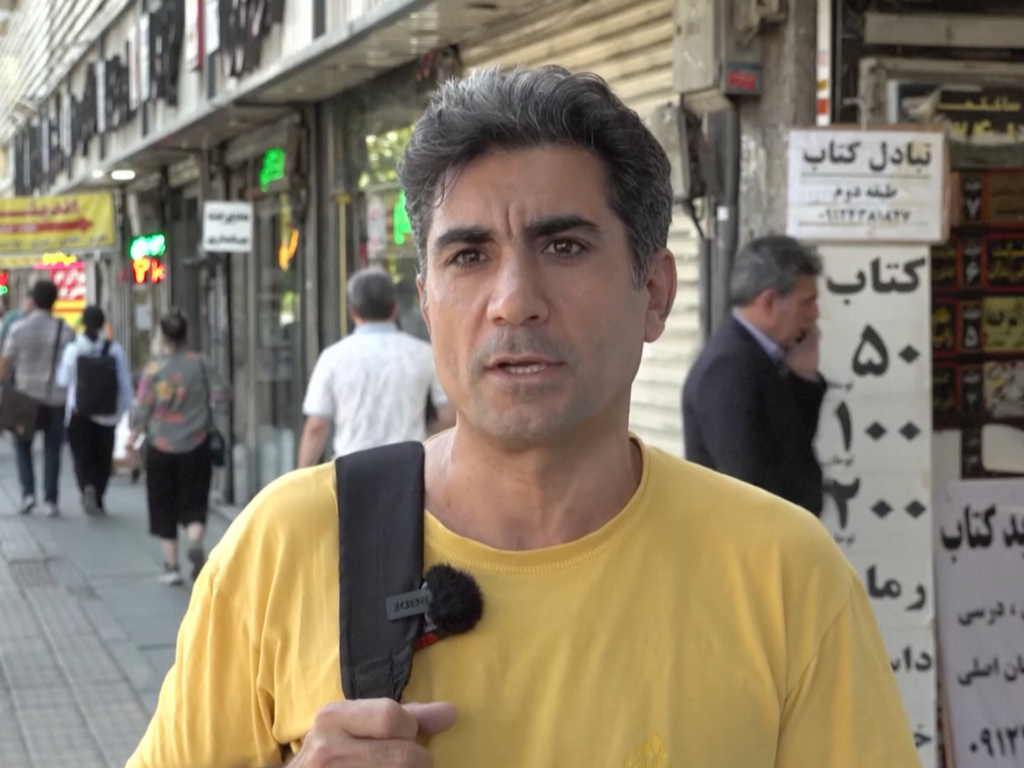
Amid reports that the United States and Iran are nearing an interim agreement to end ongoing hostilities, reactions within Iran remain deeply divided. The potential deal, which aims to establish a temporary peace arrangement, has sparked hope, skepticism, and varied opinions among the Iranian populace.
The announcement of progress toward an interim agreement came after months of tense negotiations and diplomatic efforts between the two nations. Officials from both sides hinted that a breakthrough could signal the end of prolonged conflicts and pave the way for more comprehensive peace talks in the future.
Supporters of the deal in Iran view it as a positive step toward stability and reducing the economic and humanitarian toll caused by ongoing confrontations. Many citizens express optimism that improved relations could lead to lifted sanctions, increased trade opportunities, and a brighter economic outlook.
Conversely, critics remain wary, questioning the sincerity of the US and the longevity of any agreement. Some fear that an interim deal may only serve as a temporary pause rather than a genuine resolution to deeper tensions. Others emphasize that without addressing core issues such as nuclear policies and regional influence, lasting peace may remain elusive.
The divided sentiment also reflects political and generational differences within Iranian society. Younger Iranians and reform-minded groups tend to support diplomatic engagement and see the agreement as a chance for Iran to rejoin the international community. In contrast, conservative factions emphasize caution, advocating for protections of national sovereignty and skepticism toward Western intentions.
International observers have responded cautiously to news of the nearing deal. While many welcome efforts to diminish hostilities, they endorse measured optimism pending details of the agreement’s terms and enforcement mechanisms.
The potential interim agreement highlights the complexities of diplomatic negotiations where multiple layers of political, economic, and social concerns intersect. For Iranians, the prospect of peace brings hope but also underscores the challenges ahead in achieving durable reconciliation.
As talks proceed, all eyes remain on the next steps. The outcome will not only shape the immediate future of US-Iran relations but also influence broader regional stability in the Middle East.
In summary, the news of a prospective interim agreement between Iran and the US has elicited a broad spectrum of reactions from the Iranian people. Hope, caution, and debate mark the current atmosphere as the nation stands at a potential crossroad between continued conflict and the promise of peace.