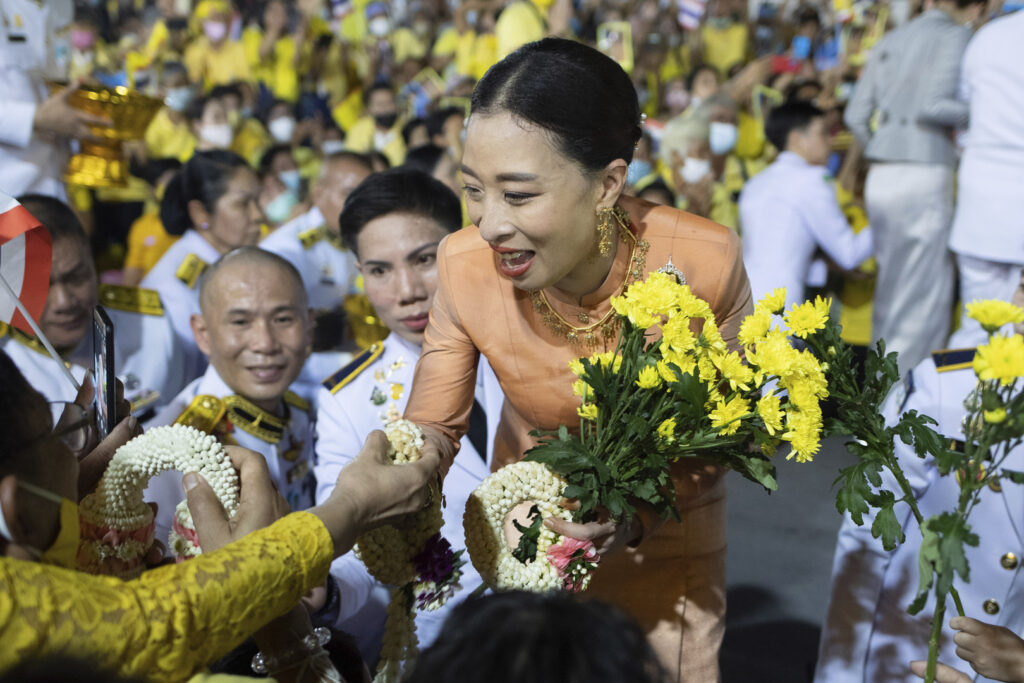
FILE - Thai Princess Bajrakitiyabha Mahidol shakes hands while meeting supporters in Bangkok, Thailand, Nov. 1, 2020. (AP Photo/Wason Wanichakorn, File)
Thailand is in mourning following the death of Princess Bajrakitiyabha, the eldest child of the King, who passed away at the age of 47. She had been in a coma for several years before her death, a period which deeply saddened the nation and its royal family.
Princess Bajrakitiyabha was widely regarded as a potential heir to the throne, being the King’s eldest child. Her death marks a significant moment in Thailand’s royal history, raising questions about succession and the future role of the monarchy.
Throughout her life, Princess Bajrakitiyabha was a prominent figure in Thai society, known for her dedication to public service and various humanitarian efforts. Her work contributed significantly to the welfare of many Thai citizens, earning her respect and admiration across the country.
The circumstances leading to her coma remain a topic of public and official interest. Her health decline had been a subject of concern, with many hoping for her recovery over the years.
Following the announcement of her death, tributes have poured in from across Thailand and the international community. Citizens have expressed their grief and shared memories of the Princess’s kindness, strength, and commitment to her country.
Palace officials have not disclosed detailed information regarding the cause of death or plans for the funeral, though it is expected to be a state occasion reflecting her status and contributions.
The Thai government has declared a period of mourning, with flags flying at half-mast and official ceremonies planned to honor her memory. Schools and institutions are expected to hold moments of silence and other commemorative activities.
The late Princess’s passing comes at a delicate time for the Thai monarchy, which continues to play a central role in the nation’s political and cultural life. Her death may influence the dynamics within the royal family and the future line of succession.
Analysts suggest that the King’s remaining children and extended family members may now assume greater responsibilities, as Thailand navigates this challenging transitional period.
Princess Bajrakitiyabha’s legacy will endure through her charitable foundations and the numerous social programs she supported. The nation remembers her not only as a royal figure but as a compassionate leader committed to the betterment of her people.
Her personal story of struggle, including her long battle with illness, has touched the hearts of many, highlighting the human side of the monarchy.
As Thailand mourns, the royal family’s privacy is being respected, while the public is encouraged to reflect on her life and contributions.
The coming weeks will see detailed arrangements for her memorial services, as well as opportunities for the public to pay respects.
This loss reminds the world of the profound impact that members of royal families can have beyond their ceremonial roles, shaping the social and cultural frameworks of their nations.
Princess Bajrakitiyabha’s death is a poignant moment for Thailand, a time for remembrance, reflection, and respect for a life that symbolized both tradition and compassion.
Her passing leaves a void in the Thai monarchy and will undoubtedly influence its future direction as the nation honors her memory and legacy.