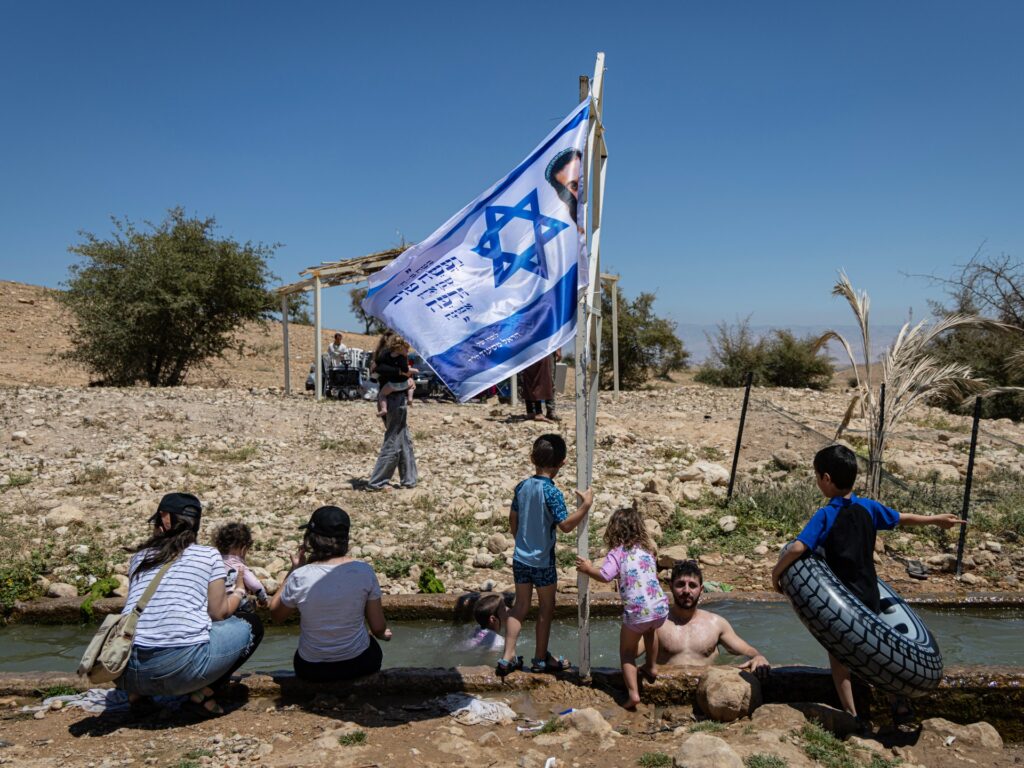
The Mayor of London has sharply criticized a controversial real estate event known as the “Great Israeli Real Estate Event,” which openly promotes the sale of properties located in Israeli settlements in the occupied West Bank. The settlements, considered illegal under international law, have long been a flashpoint in the Israeli-Palestinian conflict, and the event’s promotion of land sales in these areas has drawn significant condemnation.
The event reportedly markets properties in these settlements as investment opportunities, despite their status as stolen Palestinian land. This has raised ethical and legal concerns across the international community. The Mayor of London described the event as deeply troubling and condemned the commodification of land seized during ongoing conflict.
Israeli settlements in the West Bank have been deemed illegal by numerous international bodies, including the United Nations, which consider the settlements a violation of the Fourth Geneva Convention. However, the Israeli government disputes this interpretation, contributing to ongoing disputes over the territory.
The “Great Israeli Real Estate Event” attracted investors and property buyers interested in benefiting from the expanding settlements. Critics argue that the event seeks to legitimize and normalize the sale of land seized from Palestinians, further complicating peace efforts in the region.
Activists and human rights organizations have denounced the event as promoting the violation of Palestinian property rights and undermining efforts to achieve a peaceful resolution to the conflict. They emphasize that such sales entrench divisions and hinder the potential for a two-state solution.
The Mayor of London’s statement called on the international community, real estate professionals, and investors to reject participation in events that market property in illegal settlements. He emphasized the importance of respecting international law and upholding the rights of the Palestinian people.
The mayor’s condemnation highlights growing global awareness and sensitivity regarding the issue of Israeli settlements. Many cities and countries have introduced measures to discourage business dealings with settlement-based enterprises, viewing them as complicit in perpetuating occupation.
The Israeli-Palestinian conflict remains deeply complex and sensitive, involving territorial disputes, political tensions, and human rights concerns. The sale of land in settlements — viewed by many as illegal — is a particularly contentious aspect that exacerbates animosity between the two sides.
The event organizers defend their activities by claiming the sales are legal under Israeli law, but international legal consensus largely rejects these claims. This divergence underscores ongoing challenges in resolving the conflict through diplomatic means.
The “Great Israeli Real Estate Event” is a stark example of how commercial interests intersect with geopolitical disputes. It illustrates how real estate transactions can become arenas for broader conflicts over sovereignty and human rights.
London’s mayoral condemnation sets a precedent for other global leaders to take a firmer stance against activities that undermine legal norms and contribute to conflict. It reflects a growing trend toward accountability and adherence to international standards.
In summary, the London Mayor’s criticism of the “Great Israeli Real Estate Event” draws attention to the controversial nature of Israeli settlement land sales in the West Bank and the broader implications for peace and justice in the region. The event underscores the ongoing challenges of balancing real estate commerce with international law and human rights in a conflict zone.