In a stern reaction to the recent downing of a US Apache helicopter, former President Donald Trump has issued a warning of intensified military actions against Iran. The incident, which has heightened tensions in an already volatile region, marks a significant escalation in the hostile exchanges between the United States and Iran. According to reports, the Apache helicopter was shot down during an operational mission, leading to concerns over the security of US military assets in the Middle East.
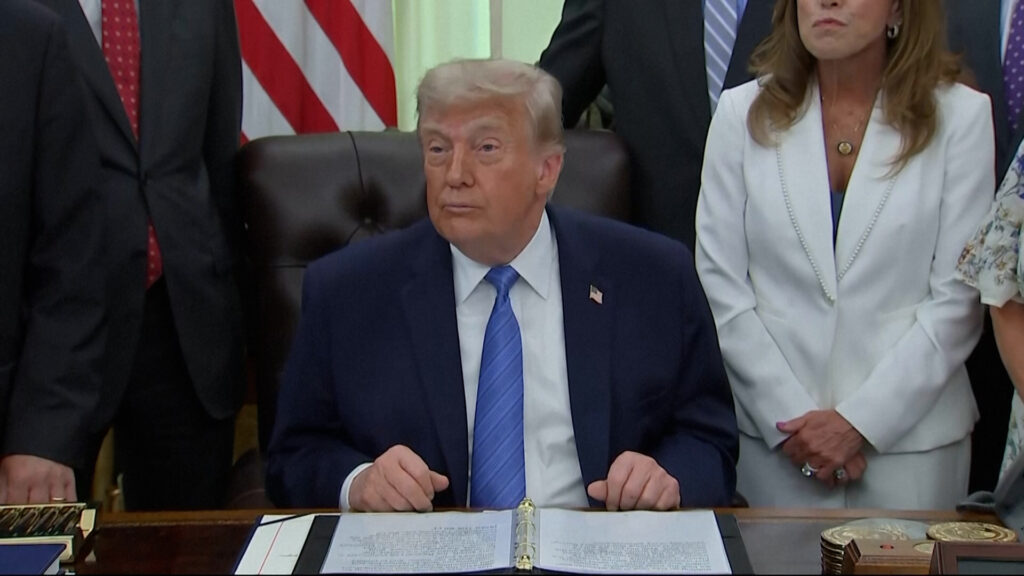
Trump’s warning came during a public statement where he emphasized the need for a robust response to deter further aggression by Iranian forces. He asserted that the downing of the helicopter was a provocative act that could not be ignored and that the US might consider more aggressive strikes in retaliation. This declaration signals a potential shift towards a tougher US stance on Iran, aiming to curb Tehran’s influence and military capabilities.
The situation has prompted reactions from various international actors, with allies urging restraint to avoid a wider conflict while some regional powers express support for Iran’s right to defend its territory. Analysts suggest that the downing of the Apache helicopter could be a catalyst for further military confrontations, increasing the risk of a broader conflict in the region.
The US military has been actively engaged in the region for years, focusing on counterterrorism and containing Iranian-backed militias. The Apache helicopter, a critical asset for US operations, is known for its advanced combat capabilities. Its loss is not only a tactical blow but also a symbolic setback for American military presence in the area.
Trump’s announcement has reignited debates on the US foreign policy approach towards Iran. Critics argue that a more aggressive posture could escalate violence, while supporters believe that strong military responses are necessary to uphold US interests and ensure regional stability.
As the situation develops, the international community is closely monitoring the US-Iran dynamics, hoping for a diplomatic resolution to avoid further bloodshed. The next steps from both sides will be critical in determining the trajectory of peace and conflict in the Middle East.