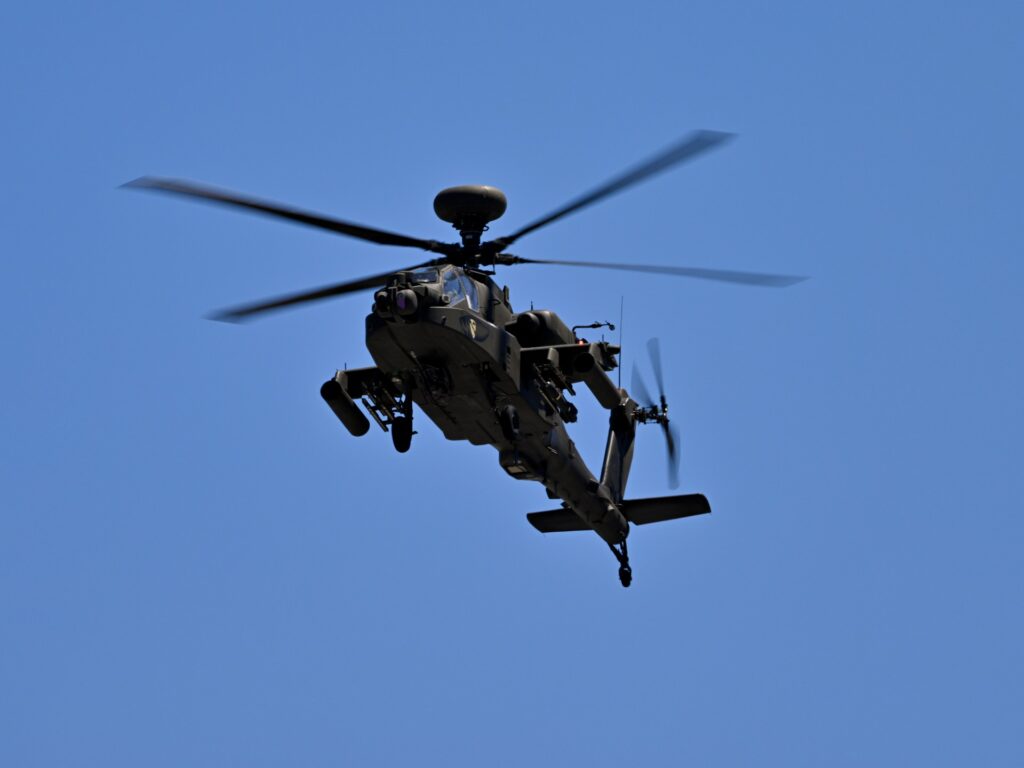
In recent developments in the tense US-Iran relations, the downing of an Apache helicopter and a series of attacks targeting US assets have underscored the escalating confrontations between the two nations. Analysts interpret Iran’s recent military activities as a strategic move intended to deter US naval patrols in the crucial Strait of Hormuz.
The Strait of Hormuz is a vital maritime chokepoint through which a significant portion of the world’s oil supply passes, making it a flashpoint for geopolitical tensions. Iran’s attacks across the Gulf region appear designed to create a deterrent against continued US presence and patrol in these waters.
Experts argue that by targeting US assets, Iran aims to signal its readiness to assert control and push back against American influence in the region. This posture comes amid ongoing diplomatic stalemates and heightened military alerts.
The Apache helicopter’s downing represents not only a tactical loss for the US military presence in the Gulf but also a symbolic victory for Tehran, demonstrating its capacity to challenge American air superiority.
US officials have condemned the attacks, emphasizing their commitment to protecting freedom of navigation and maintaining security in the Gulf. The US Navy has increased its patrols and surveillance operations in response, deploying additional resources to ensure safe passage through the Strait.
The attacks have prompted concerns about potential escalation and the risks of miscalculation leading to broader conflict. Diplomatic channels remain cautiously engaged to prevent further deterioration of relations.
Analysts note that Iran’s strategy integrates both kinetic actions and psychological messaging, aiming to complicate the US military calculus and influence regional politics.
In conclusion, the latest US-Iran confrontations around the Strait of Hormuz embody the ongoing struggle for influence and security in a geopolitically sensitive area. As Iran continues its assertive stance, the international community watches closely, wary of the implications for global energy markets and regional stability.