As Israel’s elections draw near, Prime Minister Benjamin Netanyahu finds himself entangled in a complex geopolitical web involving the United States, the ongoing conflict with Lebanon, and the pressure surrounding a potential ceasefire with Iran. This multifaceted predicament places Netanyahu in an unenviable position, squeezed between the demands of his electorate, the interests of his international allies, and the strategic moves of his regional opponents.
Netanyahu’s political survival largely depends on navigating these turbulent waters, as each issue carries significant weight both domestically and internationally. At home, Netanyahu is contending with a divided electorate. His supporters push for a firm stance against Iran and militant groups in Lebanon, emphasizing national security and a strong military response. Meanwhile, his opponents call for cautious diplomacy to avoid further entanglement in regional conflicts that could destabilize Israel’s economy and internal peace.
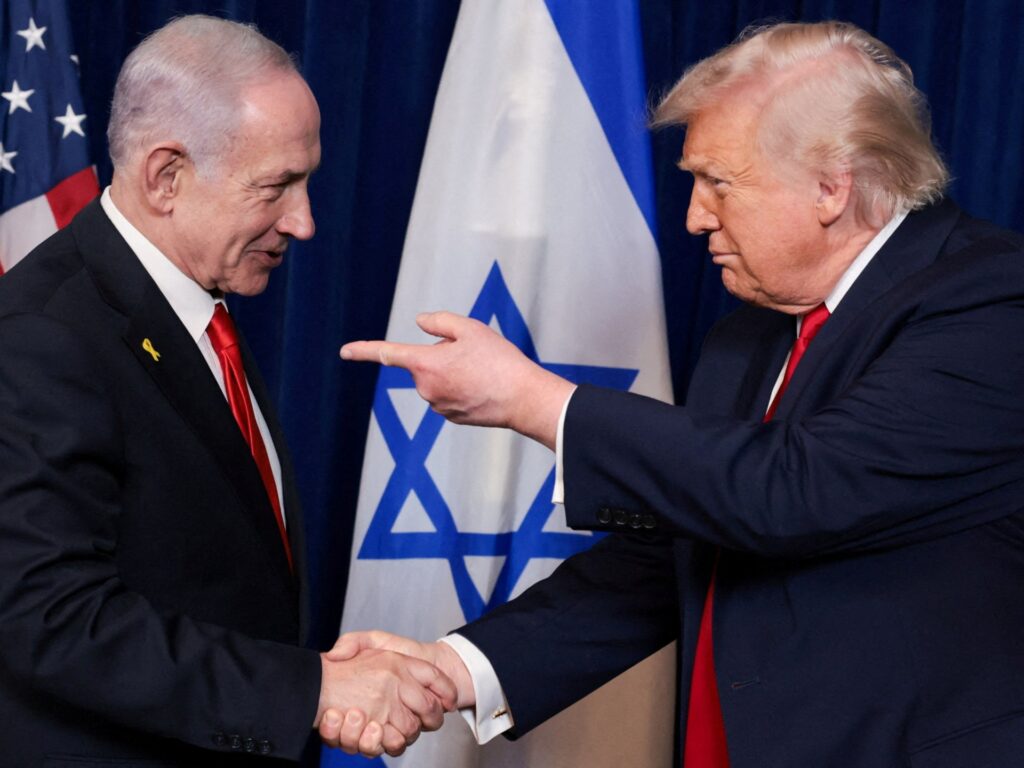
Internationally, the United States remains a key ally yet also a pressure point for Netanyahu. Washington advocates for restraint and urges Israel to pursue a ceasefire with Iran to prevent further escalation. This stance challenges Netanyahu’s approach, as he must balance maintaining a strong alliance with the US while addressing Israel’s immediate security concerns.
Meanwhile, the volatile situation with Lebanon adds another layer of complexity. The conflict has seen sporadic escalations, with Hezbollah’s involvement raising the stakes. Netanyahu’s government views Hezbollah as a direct threat and seeks to weaken its influence. However, any aggressive action risks broadening the conflict, potentially drawing in Lebanon more deeply and further destabilizing the region.
Adding to the tension is the issue of Iran, whose nuclear ambitions and regional influence deeply concern Israel. Netanyahu’s administration has built much of its platform around countering Iran’s power. The prospect of a ceasefire, strongly advocated by international actors including the US, challenges Netanyahu’s hardline policies and creates friction within his coalition government and among his voter base.
As elections approach, the pressure mounts on Netanyahu to project strength without escalating conflict. Political opponents leverage the situation to criticize his handling of foreign policy, arguing that his aggressive posture endangers Israel’s security.
Conversely, Netanyahu’s supporters underscore the need for vigilance and toughness against external threats, particularly highlighting the risks posed by Iran’s nuclear program and Hezbollah’s activities in Lebanon.
The intricate dynamics also affect Israel’s broader regional relationships. Neighboring countries watch the conflict closely, wary of instability spilling over and altering balances of power. Netanyahu’s actions could influence alliances and perceptions in the Middle East, impacting everything from border security to trade relations.
In addition to external pressures, Netanyahu faces internal challenges within his coalition government. Diverse political factions hold differing views on the approach to the US, Lebanon, and Iran. Maintaining unity amidst competing interests is crucial to presenting a coherent policy and securing electoral support.
The balancing act required from Netanyahu is emblematic of the broader difficulties faced by leaders in volatile regions. He must weigh military strategies against diplomatic initiatives, balancing immediate safety concerns with long-term national interests.
Observers note that Netanyahu’s decisions in the coming weeks could define his political fate. Success in managing these tensions might bolster his position, whereas missteps could erode his support and empower his rivals.
International mediators and diplomats continue to push for dialogue and negotiation aimed at de-escalating tensions and promoting stability. However, the entrenched nature of the conflicts and deep-seated distrust between the parties involved present formidable obstacles.
The situation underscores the fragile balance of power in the Middle East, where local conflicts intersect with global geopolitical interests. Netanyahu’s predicament highlights how domestic politics and international diplomacy are intertwined, especially in regions marked by longstanding disputes.
In summary, as Israel heads into a crucial election period, Prime Minister Benjamin Netanyahu stands at a crossroads. Caught between the demands of the US, the challenges posed by the war in Lebanon, and the contentious issue of a ceasefire with Iran, his leadership is under intense scrutiny. The choices he makes now will not only shape Israel’s immediate security landscape but also its future political and diplomatic trajectory.