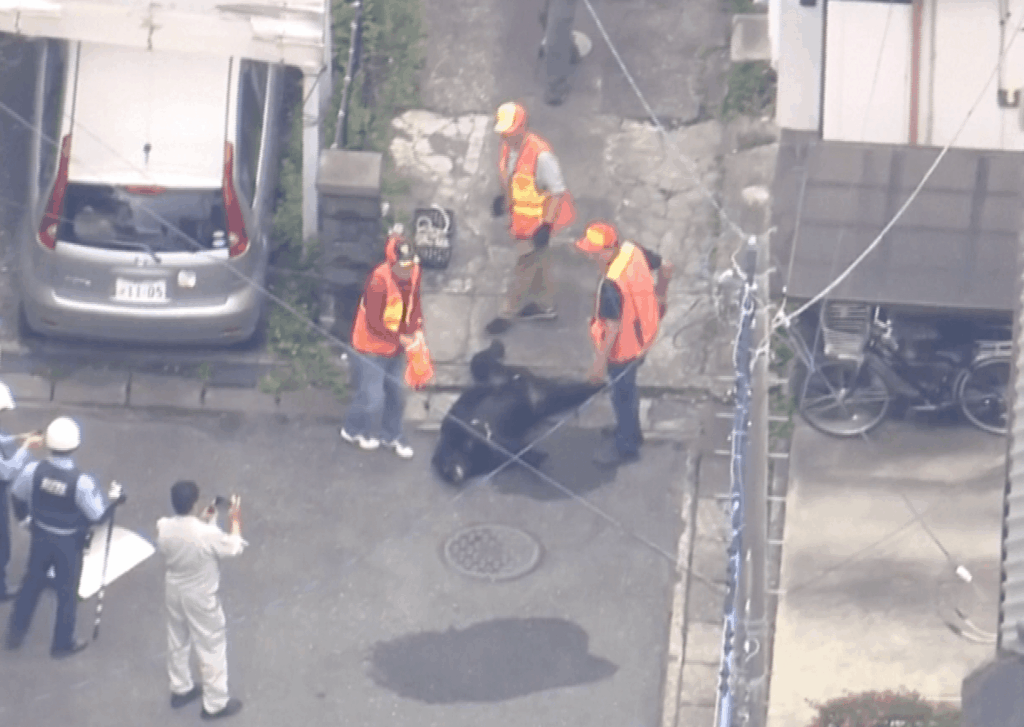
In the Japanese city of Utsunomiya, the recent sighting of a bear caused widespread panic, leading to school closures and significant disruption in daily life. The authorities had been on high alert as the bear roamed near residential areas, raising concerns for public safety. Over several days, local officials coordinated efforts to track and safely capture the bear to prevent any harm to people and property.
The bear’s presence sparked an immediate response from the community and the government. Schools in Utsunomiya were closed as a precautionary measure to protect children from potential danger. Residents were advised to stay indoors and avoid areas where the bear was spotted. Wildlife experts and local authorities worked tirelessly, setting up traps and monitoring the bear’s movements.
After days of tension and careful monitoring, the bear was finally captured without injury to the animal or humans. The peaceful resolution has brought relief to the residents of Utsunomiya, who worried about the implications of having a wild animal so close to their community.
The incident underscores the challenges of managing wildlife in urban and suburban areas, especially as human development encroaches on natural habitats. Authorities are now assessing how the bear entered the city and considering measures to prevent similar occurrences in the future.
Experts remind residents to remain vigilant and report any further sightings immediately. They also emphasize the importance of coexistence and respect for wildlife, recommending safety precautions and awareness to minimize conflicts.
This episode in Utsunomiya highlights the delicate balance between human settlement and wildlife presence, urging ongoing cooperation between communities and wildlife management agencies to ensure safety and conservation.