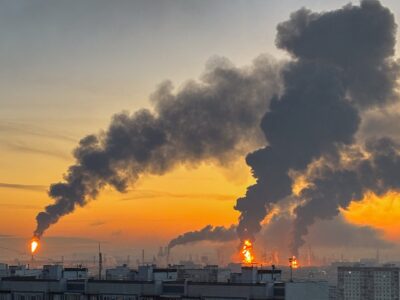
Tensions in the Middle East have escalated significantly as Israel launched a series of airstrikes across southern Lebanon. Reports indicate that at least four people have lost their lives in the Israeli bombardment. This military action comes amid heightened warnings from former US President Donald Trump, who had cautioned Israeli Prime Minister Benjamin Netanyahu to cease aggressive attacks.
The recent bombings mark a fierce turn in the ongoing regional conflict, with southern Lebanon being targeted due to its proximity to hostile factions reportedly operating against Israel. The Israeli government has justified these strikes as necessary measures to safeguard its national security and to neutralize threats along its northern border.
Despite Trump’s warnings aimed at preventing further violence, the attacks persisted, leading to casualties and increasing the risk of a broader confrontation. The international community has expressed concern over the potential for this conflict to widen, urging restraint from all involved parties.
Lebanon’s government condemned the Israeli airstrikes, labeling them as violations of the country’s sovereignty and a threat to regional stability. The strikes have also triggered protests and outcries from local communities directly affected by the bombings.
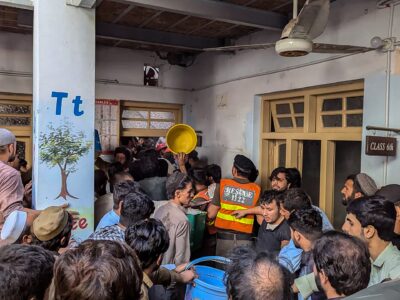
The death toll and damage assessment are still being updated as emergency services continue rescue and relief operations. Hospitals in southern Lebanon are reportedly overwhelmed with the injured, and there are rising calls for humanitarian assistance to support those displaced or affected by the conflict.
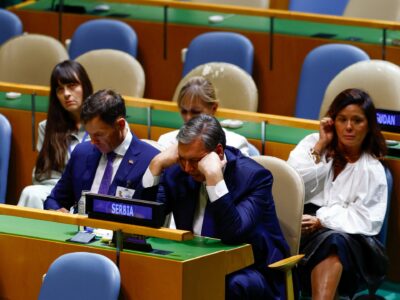
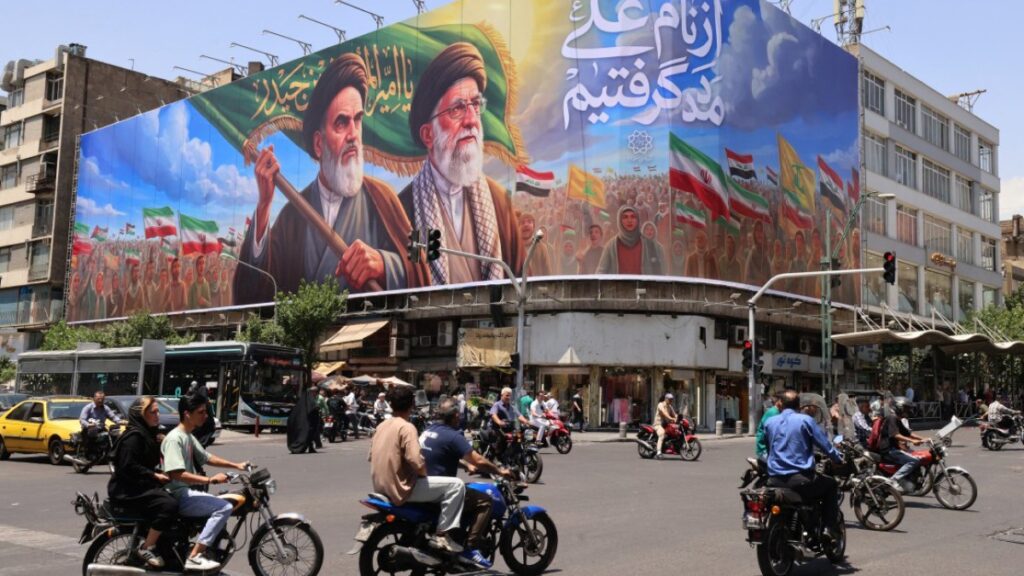
Analysts suggest that this escalation could derail ongoing diplomatic efforts to ease tensions in the Middle East. The involvement of external actors and the complex nature of alliances in the region add layers of difficulty in reaching a peaceful resolution.
Global powers have begun to engage in diplomatic dialogues to address the crisis, emphasizing the need for an immediate cessation of hostilities. The stability of the Middle East remains precarious, with the current conflict in Lebanon serving as a flashpoint that could potentially ignite wider confrontations.
In the meantime, residents of southern Lebanon are bracing for continued military activities and the humanitarian fallout that accompanies such conflicts. The international community watches closely, hoping for de-escalation and a return to talks that prioritize peace and security for all parties involved.