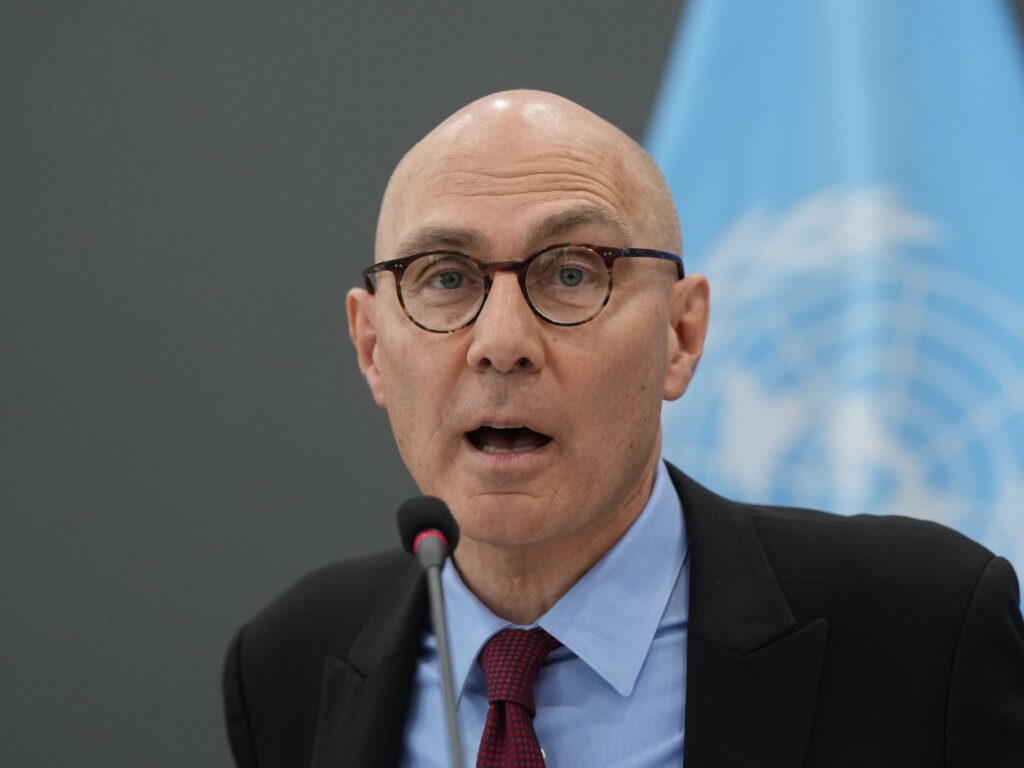
Volker Turk, the United Nations High Commissioner for Human Rights, has issued a compelling call for the immediate lifting of sanctions imposed on Cuba, citing severe humanitarian consequences resulting from these measures. Turk emphasized that the ongoing US oil blockade on Cuba is having devastating effects on the Cuban population, particularly impacting the most vulnerable such as children. According to Turk, this blockade has contributed to a dire situation where essential goods and resources are scarce, and critically, children are dying because of the shortage of medical supplies and basic necessities.
The High Commissioner highlighted that economic sanctions, while often intended as political tools, can lead to unintended humanitarian disasters. In the case of Cuba, the sanctions and the oil blockade have significantly restricted access to vital fuel supplies, impairing healthcare services, transportation, and the delivery of food and medicine.
Turk’s statement comes amid growing international concern over the humanitarian impact of economic sanctions worldwide. The UN human rights office is urging countries to reconsider harsh sanctions that affect ordinary citizens, especially in countries facing economic difficulties exacerbated by external restrictions.
Cuba has long been subject to US sanctions, which were initially put in place during the Cold War era. Over the decades, these sanctions have tightened, affecting the island nation’s economic and social stability. The current oil blockade has further strained Cuba’s ability to sustain its healthcare infrastructure, which is already under pressure due to the COVID-19 pandemic and other economic challenges.
The call to lift sanctions immediately is backed by human rights advocates who argue that punitive measures should never compromise access to healthcare, food, and other basic human rights. They stress that the impact on Cuban children, who are among the most vulnerable, paints a grim picture of the humanitarian consequences of political conflict.
International organizations and humanitarian groups have also pointed out that while sanctions are purportedly targeted at governments, the real victims are often the civilian populations. Restrictions on oil and other critical imports have led to fuel shortages that paralyze essential services, from hospitals to public transportation.
The United Nations continues to urge dialogue and diplomatic solutions to address political disputes without inflicting harm on the populations of affected countries. Volker Turk’s appeal underscores the urgency of reconsidering sanctions policies and ensuring they align with international human rights obligations.
In conclusion, the UN Human Rights Chief’s statement serves as a stark reminder that policies, especially sanctions, must be evaluated not only on their political merits but also on their humanitarian impact. The plea to lift Cuban sanctions immediately stresses the importance of prioritizing human lives and dignity over geopolitical conflicts. As children continue to suffer, the international community faces mounting pressure to act with compassion and urgency to prevent further loss of life and hardship in Cuba.