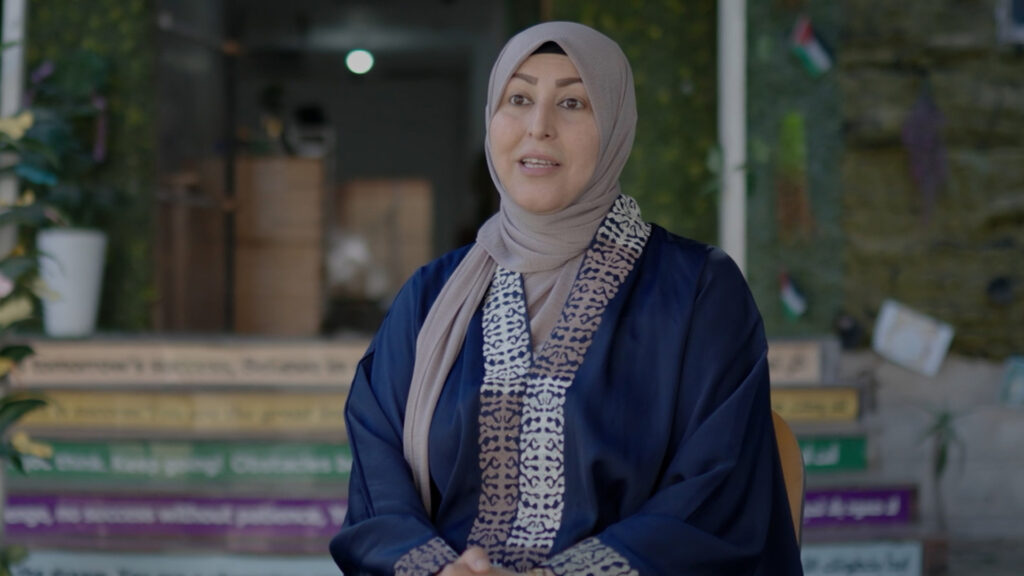
In the besieged Gaza Strip, a tragic human story unfolds as a school director and novelist is battling for her life, waiting for a chance to undergo urgent cancer surgery not available within the territory. This patient represents many in Gaza whose access to critical medical care is severely restricted due to ongoing political and economic conditions.
Gaza, home to nearly two million people, has long suffered under a blockade and conflict-induced damage to its healthcare infrastructure. Specialized health services, particularly for complex conditions like cancer, are limited or non-existent. As a result, patients with serious illnesses often face the heartbreaking dilemma of either staying with limited treatment options or hoping for permits to travel abroad for medical care.
This particular patient’s dual roles—as an educator shaping young minds and a novelist contributing to cultural life—highlight the profound loss being faced not just by one individual, but by the community and society as a whole. Her condition demands immediate surgical intervention to prevent further health deterioration but the inability to perform the operation locally leaves her in a medical limbo.
Health authorities and advocacy groups have called attention to the urgent needs of patients like her, urging the easing of restrictions and increased support for Gaza’s health sector. Without access to timely surgery, the disease may progress, potentially becoming fatal.
International medical organizations have repeatedly outlined the critical health challenges in Gaza, emphasizing the need for humanitarian corridors and medical aid. However, the complex political environment poses significant barriers to the implementation of these measures.
Meanwhile, the patient and her loved ones remain in a state of anxious anticipation, holding onto hope for a chance at life outside Gaza’s borders. Her story sheds light on the broader healthcare crisis in Gaza—where medical needs are immense, and waiting lists for crucial treatments can spell the difference between life and death.
As the world watches, this personal battle underscores a pressing humanitarian issue demanding urgent attention, compassion, and tangible action to ensure that individuals in Gaza receive the medical care they desperately need and deserve.