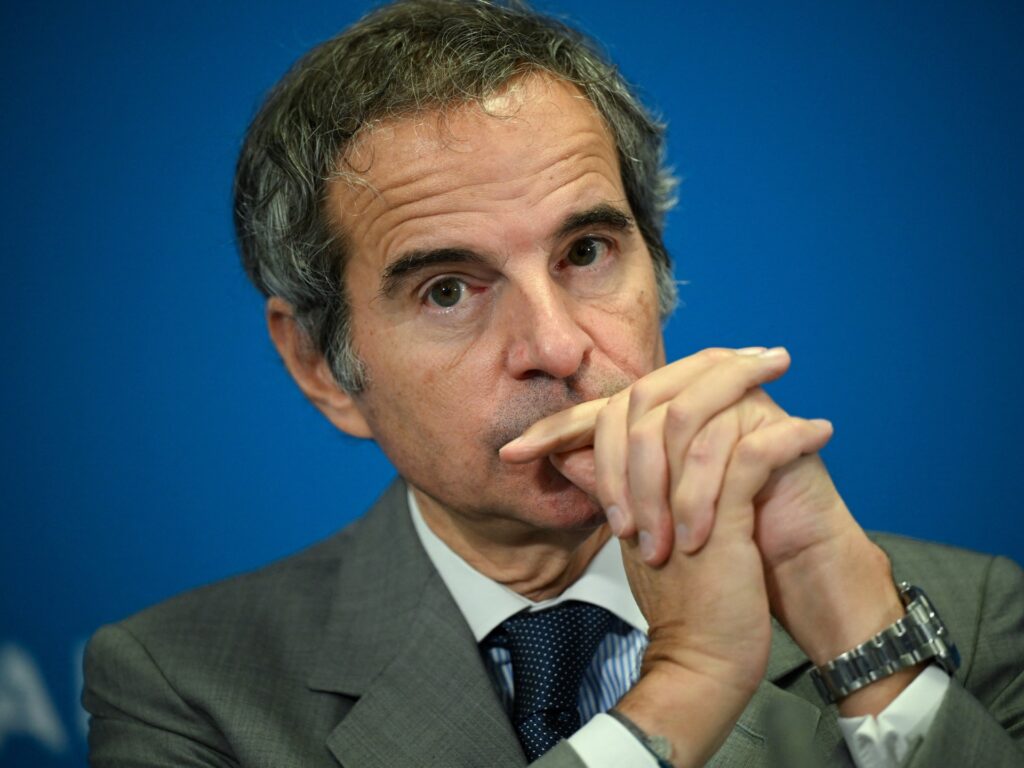
The international community is intensifying its calls for Iran to recommence cooperation with the United Nations nuclear watchdog amid rising concerns over the progress of Tehran’s nuclear activities. Rafael Grossi, the Director General of the International Atomic Energy Agency (IAEA), has publicly urged Iran to re-engage in talks and provide fuller transparency into its nuclear program. This appeal comes as a critical step to bridge the widening trust gap and prevent further escalation in tensions surrounding Iran’s nuclear ambitions.
Western countries, including the United States and the European trio known as the E3 (France, Germany, and the United Kingdom), have joined forces in demanding clarity from Tehran regarding discrepancies in uranium stockpiles and their current locations. These nations stress that transparency and cooperation are essential to monitoring nuclear activities effectively and ensuring regional security.
The IAEA’s ongoing monitoring efforts have faced significant challenges, particularly around access to uranium sites and the completeness of Iran’s declarations. The agency insists that without access and reliable information, verifying Iran’s compliance with the nuclear agreement becomes increasingly difficult. The latest developments have only heightened calls for a diplomatic resolution that balances the respect for sovereign rights with the imperative of global nonproliferation.
Iran’s nuclear program has long been a focal point of international scrutiny. The Joint Comprehensive Plan of Action (JCPOA), or the Iran nuclear deal, originally brokered in 2015, aimed at curbing Iran’s ability to develop nuclear weapons in exchange for sanction relief. However, the agreement’s effectiveness has dwindled following the US withdrawal in 2018 and subsequent Iranian steps away from compliance.
The recent calls by the IAEA and Western powers underscore the urgency of reviving cooperative dialogue. They highlight that transparency is not merely a bureaucratic demand but a critical pillar for sustaining peace and regional stability. Failure to address these issues could provoke a dangerous spiral of mistrust and confrontation.
As global diplomatic efforts continue, there is hope that Iran will respond positively to the appeals. The world’s eyes remain fixed on Tehran, eager to see whether cooperation can be restored to head off potential conflict and ensure nuclear activities remain peaceful. Meanwhile, the IAEA prepares to intensify inspections and monitoring to uphold its mandate.
In conclusion, the renewed push from the UN watchdog and Western nations for Iran to restart nuclear cooperation is a significant development in the ongoing efforts to prevent nuclear proliferation. It emphasizes the central role of transparency and accountability in managing nuclear programs and fostering international security. The coming weeks could be pivotal in determining the trajectory of Iran’s nuclear future and the stability of the wider Middle East region.