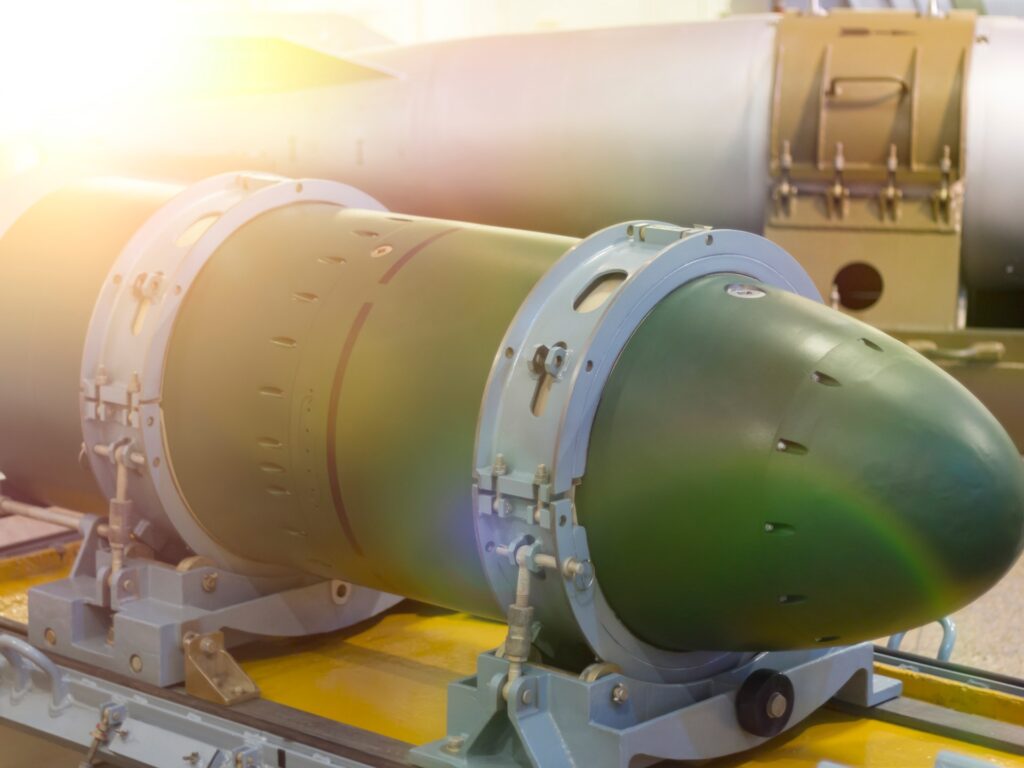
A recent study by the Stockholm International Peace Research Institute (SIPRI) has raised significant alarms about the increasing risks associated with nuclear weapons globally. According to the report, nuclear-armed states are increasingly expanding and modernising their arsenals, a trend that is contributing to heightened dangers of escalation and conflict. The SIPRI study highlights a worrying departure from nuclear disarmament commitments made by these countries, which had previously aimed at reducing nuclear stockpiles to ensure long-term global security.
The study draws attention to the fact that instead of moving toward disarmament, many nuclear states are engaged in modernising their weapons with newer technologies and expanding their nuclear capabilities. This development is viewed as a dangerous step back for international peace and security, signaling a renewed arms race reminiscent of Cold War tensions.
Experts at SIPRI warn that the consequences of this arms build-up are profound. Not only does it increase the likelihood of nuclear confrontations, but it also undermines established arms control frameworks. The erosion of disarmament commitments creates an environment where miscalculations or accidental launches could lead to catastrophic outcomes.
The report also points to geopolitical tensions that are exacerbating the nuclear dilemma. Rising conflicts and diplomatic breakdowns between major powers fuel mistrust, prompting countries to bolster their nuclear deterrents rather than pursue diplomatic solutions.
Moreover, the race to modernise is not only about increasing the number of weapons but also improving their accuracy, delivery systems, and survivability. Advanced missile systems, hypersonic weapons, and enhanced command and control infrastructures are increasing the complexity and danger of current nuclear strategies.
In its conclusions, SIPRI calls for urgent international efforts to reinvigorate nuclear disarmament talks and strengthen arms control agreements. The institute urges nuclear states to return to dialogue, reaffirm their disarmament commitments, and work collectively to reduce the overall risks associated with nuclear weapons.
The study underscores the critical need for global cooperation to address the nuclear threat, warning that continued expansion and modernisation without sufficient oversight will lead to an increasingly unstable and dangerous world. It advocates for transparency, confidence-building measures, and robust diplomatic engagement as essential steps to mitigate the growing nuclear risks.
As the world watches these developments unfold, the SIPRI report serves as a stark reminder of the fragile balance that nuclear weapons pose. The path forward requires careful negotiation, commitment to peace, and an unwavering dedication to preventing nuclear catastrophe. This landmark study constitutes a call to action for policymakers, diplomats, and international organizations to prioritize global security through renewed efforts at nuclear disarmament and non-proliferation.