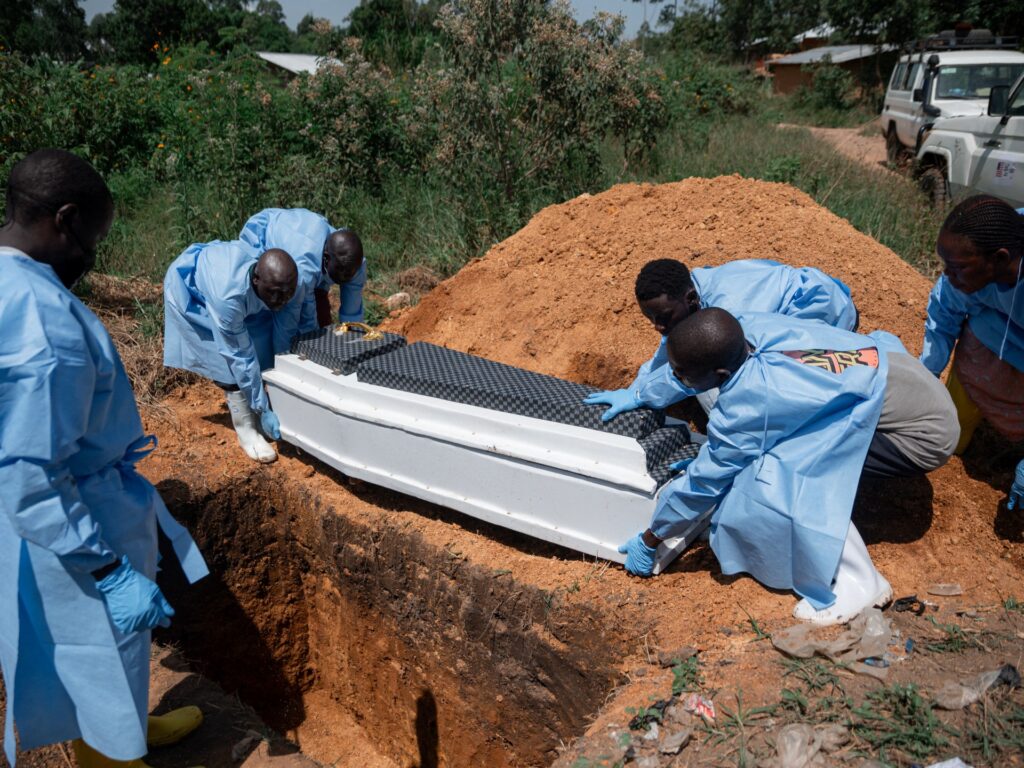
The World Health Organization (WHO) chief, Dr. Tedros Adhanom Ghebreyesus, has commended Uganda for its prompt and capable response to the recent Ebola outbreak. Highlighting the country’s swift action in containing the virus, Dr. Tedros acknowledged Uganda’s efforts as a model for outbreak management in the region.
Uganda’s health authorities acted quickly after the Ebola cases were detected, implementing measures such as contact tracing, quarantine, and public awareness campaigns. These steps have been crucial in controlling the spread of the virus and preventing a larger health crisis.
Dr. Tedros specifically praised the coordination between Uganda’s health ministry, local governments, and international partners, which contributed to the effective containment of the outbreak. The collaboration ensured rapid resource mobilization and timely medical interventions, saving lives and preventing further infections.
Despite the success, Dr. Tedros emphasized the importance of maintaining open communication and transit routes across borders. He called on Uganda to consider reopening its border with the Democratic Republic of Congo (DRC), where Ebola cases have also been reported. According to the WHO chief, border closures can inadvertently hinder cross-border surveillance and information sharing, which are vital for managing infectious diseases.
The outbreak in both Uganda and the DRC highlights the ongoing risks posed by Ebola in the region, necessitating strengthened health systems and preparedness. Uganda’s prompt response has been instrumental in mitigating the outbreak’s impact, yet vigilance must persist.
Experts agree that keeping borders open with appropriate health screening protocols can improve response coordination across countries. The WHO supports such measures to ensure that while trade and movement resume, health risks are minimized.
Uganda’s experience demonstrates the critical role of community engagement. Health education campaigns and local involvement have been key factors in ensuring public cooperation, which is essential for successful outbreak management.
Moving forward, the WHO encourages continued investment in healthcare infrastructure and training in Uganda and neighboring nations to bolster their capacity to deal with Ebola and other infectious diseases.
Dr. Tedros’s call to reopen the border underscores the balancing act between protecting public health and sustaining regional connectivity. Both are necessary for long-term stability and safety.
In conclusion, the WHO chief’s recognition of Uganda’s response to the Ebola outbreak underscores the country’s determination and effectiveness in public health crisis management. Reopening the border with the DRC, coupled with ongoing vigilance, will be critical steps in controlling the outbreak and safeguarding regional health security.