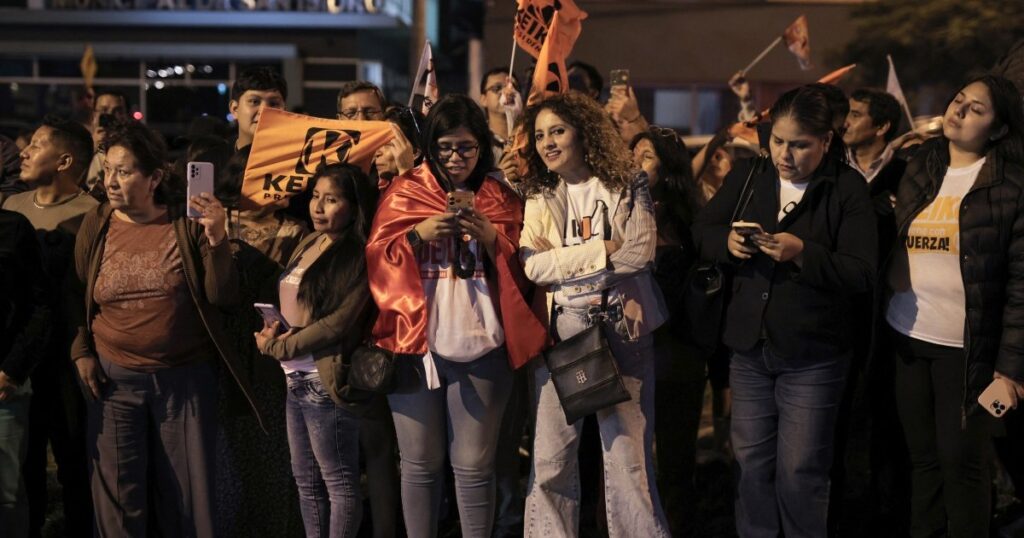
The presidential election race in Peru has reached a critical juncture, with both left-wing and right-wing candidates locked in a neck-and-neck contest, reflecting the country’s deep political polarization. This divide illustrates underlying social and economic tensions that have defined Peruvian politics in recent years.
The left-wing candidate, who has gained strong support among urban youth and rural communities, advocates for significant reforms in social policies, including wealth redistribution, enhanced education funding, and expanded healthcare access. This platform resonates with voters frustrated by persistent inequality and limited opportunities.
On the other side, the right-wing contender appeals to conservatives and business sectors, promoting market-friendly economic policies, stronger security measures, and traditional values. Their supporters argue that stability and economic growth hinge on maintaining current market-driven frameworks and cracking down on crime.
The tight race between these two factions highlights a nation grappling with its identity and future direction. Electoral campaigns have often been charged with rhetoric and accusations, deepening divisions among Peruvians.
Analysts suggest that the outcome will have significant implications for Peru’s socio-economic landscape. A left-wing victory could lead to sweeping reforms and a shift towards greater government intervention in the economy. Conversely, a right-wing win may consolidate neoliberal policies and reinforce the status quo.
Moreover, this political polarization is not unique to Peru but mirrors a broader trend across South America, where populist movements on both ends of the spectrum have reshaped national debates.
Voter turnout has been notably high, indicating the population’s intense engagement and the high stakes perceived in this election. Citizens are eager to see which direction their country will take amidst challenges such as poverty, corruption, and public security concerns.
International observers have praised the organization of the vote but caution that the polarized environment could lead to post-election tensions. Political leaders are urged to promote dialogue and national unity regardless of the outcome.
As Peru waits for the final results, the race stands as a testament to a vibrant, if divided, democracy where contrasting visions for the nation’s path continue to compete fiercely.