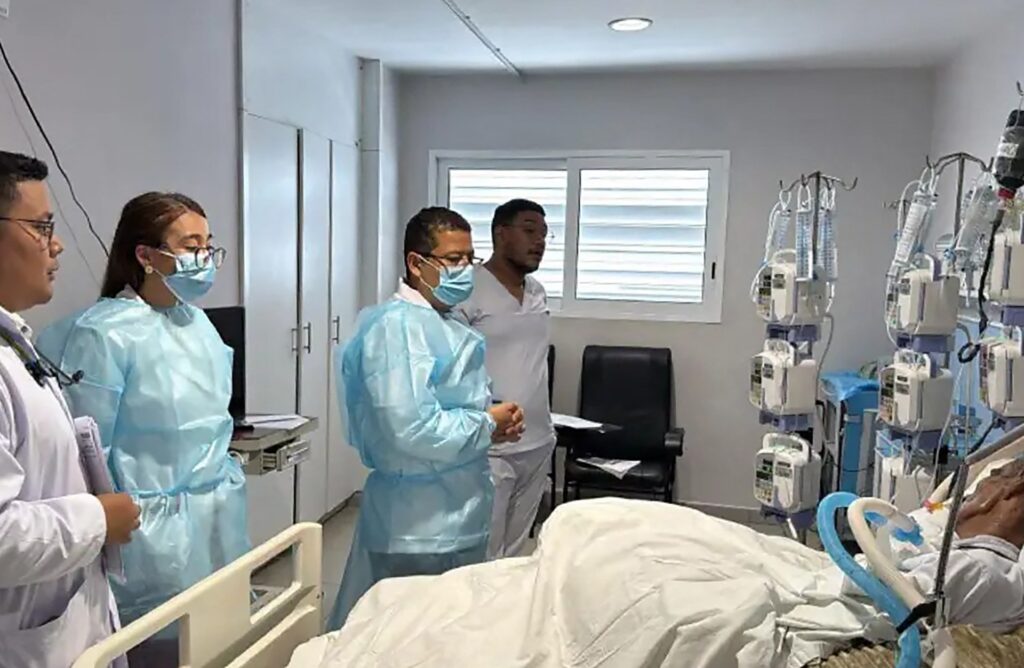
The United States has announced restrictions on 100 Nicaraguan officials in response to the death of prominent Indigenous leader Brooklyn Rivera. This move marks a significant escalation in international pressure on Nicaragua’s government amid growing concerns over human rights violations and political repression.
Brooklyn Rivera, a respected Indigenous activist, was known for her advocacy on behalf of Indigenous communities in Nicaragua. Her untimely death has sparked outrage both nationally and internationally, leading to demands for accountability and transparency.
According to reports, UN experts have called for an independent investigation into the circumstances surrounding Rivera’s death, emphasizing the need for impartial scrutiny to ensure justice is served. The experts expressed alarm over the ongoing crackdown on dissent in Nicaragua and the risks faced by those defending Indigenous rights.
The US Department of the Treasury issued sanctions targeting officials considered responsible for or complicit in actions undermining democracy and human rights in Nicaragua. These restrictions include asset freezes and travel bans, designed to pressure the Nicaraguan government to halt oppressive practices and engage in genuine political dialogue.
The sanctions list comprises members of the Nicaraguan government, the police, and security forces who have been accused of intimidation, arbitrary detention, and violent repression of opposition figures and civil society activists.
Human rights organizations have praised the US action as a necessary step towards holding perpetrators accountable but warned that sustained international attention and pressure are essential to effect meaningful change.
Rivera’s death has also reignited debates about the safety of Indigenous activists throughout Latin America, who frequently face threats and violence due to their defense of land and cultural rights.
The international community is now closely monitoring the situation in Nicaragua, calling for respect for the rule of law, protection of human rights, and meaningful engagement with Indigenous populations.
This latest development underscores the volatile political climate in Nicaragua and highlights the complex challenges of addressing systemic abuses in a country grappling with authoritarian governance and social unrest.
As the call for an independent investigation grows louder, many hope that justice for Brooklyn Rivera will serve as a catalyst for stronger protections for Indigenous peoples and renewed commitments to democratic principles in Nicaragua and beyond.