The ongoing conflict between Ukraine and Russia has seen renewed fire exchanges as diplomatic efforts to initiate dialogue gain momentum. Ukrainian President Volodymyr Zelenskyy has put forward a proposal for direct talks with Russian President Vladimir Putin, aiming to find a peaceful resolution to the hostilities that have plagued the region.
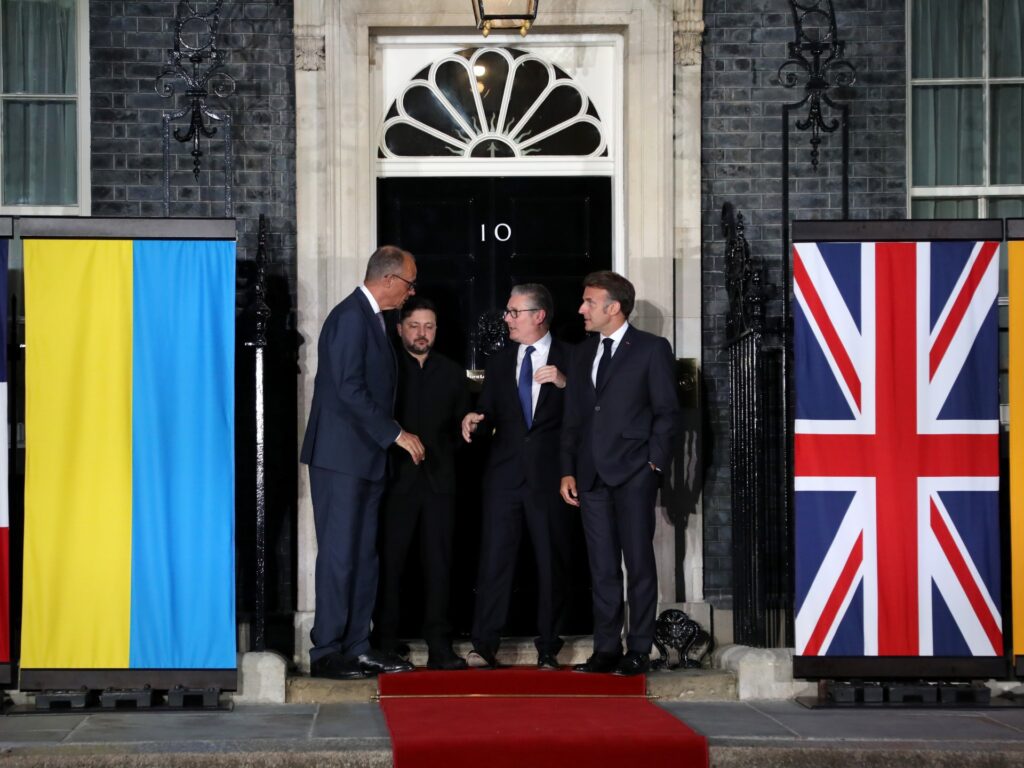
This proposal has received significant backing from key Western allies, notably the United Kingdom, France, and Germany. These countries have expressed strong support for Zelenskyy’s call, emphasizing the importance of dialogue in de-escalating tensions and paving the way for lasting peace.
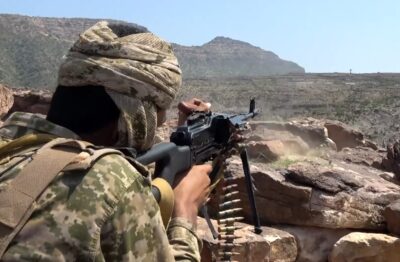
Amidst these diplomatic developments, the conflict on the ground remains tense. Reports indicate that drone attacks and artillery exchanges between Ukrainian and Russian forces have continued unabated, underlining the fragile and volatile nature of the ceasefire efforts.
The UK, France, and Germany’s endorsement reflects a shared concern over the stability of the region and the broader implications of the conflict for European security. Their support for a direct meeting between the two presidents is seen as a critical step toward addressing the root causes of the conflict and exploring avenues for resolution.
Ukrainian officials have highlighted the urgency of the talks, pointing to recent escalations and the humanitarian toll of the conflict. The continued drone attacks, in particular, pose a significant risk to civilian populations and complicate efforts to establish a durable ceasefire.
The Russian response to the proposal has been cautious, with Kremlin officials acknowledging the overture but underscoring the need for conditions to be set before any meaningful dialogue can occur. This position reflects the complexity of the issues at stake and the deep mistrust between the two sides.
Experts suggest that the proposed talks, if they take place, will require robust guarantees and international oversight to ensure adherence to any agreements reached. The involvement of Western powers in supporting the dialogue is likely to be pivotal in maintaining pressure on both parties to commit to the peace process.
The conflict has had far-reaching consequences, destabilizing the region and prompting global concern over security, energy supplies, and geopolitical alignments. The continued support for dialogue by Zelenskyy’s allies signals a willingness to seek diplomatic solutions despite ongoing military confrontations.
In conclusion, the call for direct talks between Ukraine and Russia marks a significant diplomatic effort amid ongoing conflict. The backing of the UK, France, and Germany underscores the international community’s commitment to finding a peaceful resolution, although the path forward remains fraught with challenges due to the persistent violence and entrenched political positions.