Tensions between Israel and Iran have escalated as both nations engaged in a series of attacks, causing a fragile ceasefire to falter. The exchange of hostilities has raised international concerns over stability in the Middle East and the potential for a broader conflict.
The recent flare-up followed a period of tentative calm that many hoped would lead to de-escalation. However, attacks launched by both sides have shattered that hope, resulting in renewed violence and heightened alert across the region.
In a bid to contain the situation and prevent further escalation, US President Donald Trump held a phone call with Israeli Prime Minister Benjamin Netanyahu. The discussion focused on efforts to stabilize the current volatile circumstances and seek ways to reinstate peace talks.
US media outlets reported that the conversation was part of a broader diplomatic effort involving various international actors aiming to mediate between the two countries. The United States has reiterated its commitment to supporting Israel’s security, while also encouraging restraint to avoid another large-scale conflict.
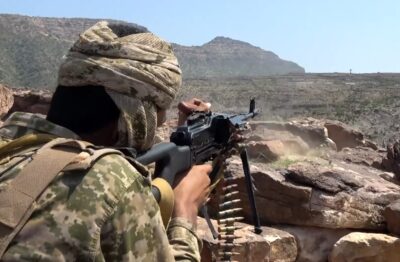
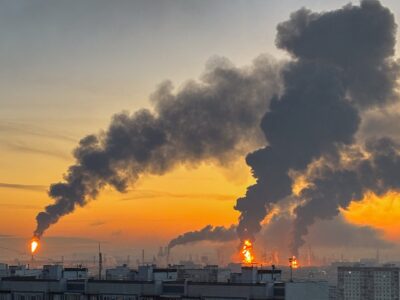
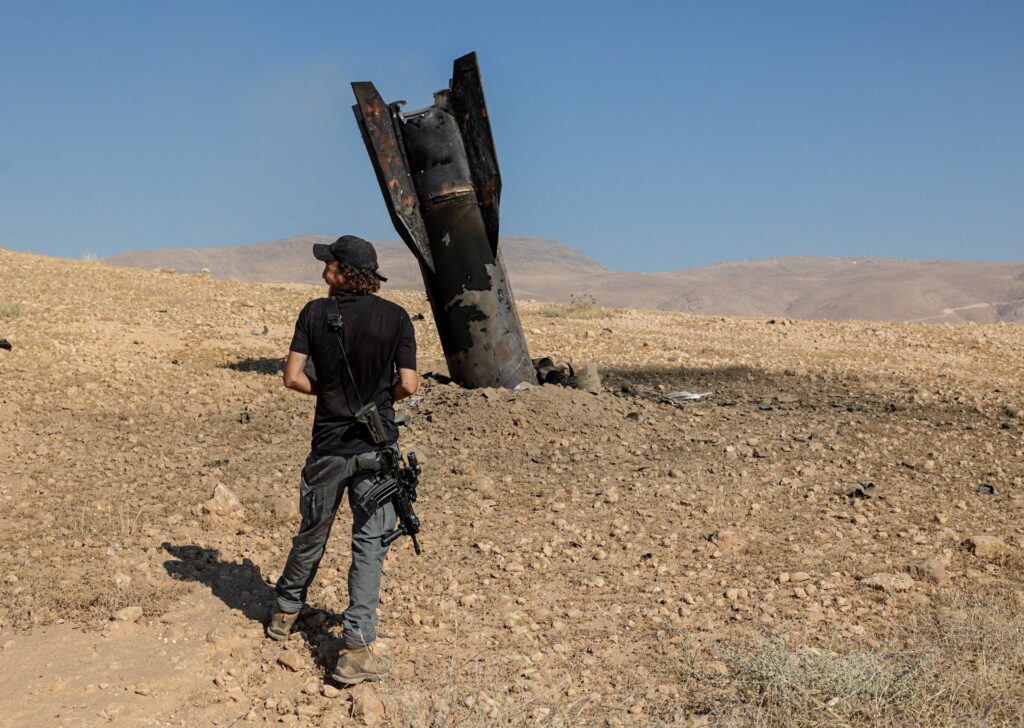
The attacks started with a missile strike reportedly launched from Iran-backed forces, targeting Israeli military positions. Israel responded with its own airstrikes deep into territories controlled or influenced by Iranian-backed militias. This tit-for-tat bombardment has led to casualties and material damage on both sides.
International communities have expressed alarm at the rapid deterioration of the ceasefire, warning of the humanitarian consequences and the potential for regional instability. The United Nations has called for immediate cessation of hostilities and urged both parties to return to talks.
Analysts suggest that the breakdown of the ceasefire could have wider implications beyond Israel and Iran, possibly impacting global oil markets and international diplomatic relations.
Local populations in the affected areas remain caught in the crossfire, with many seeking shelter and emergency assistance. Humanitarian organizations are preparing to respond to any increase in need resulting from the conflict.
The United States and other key stakeholders continue to explore diplomatic channels to de-escalate tensions. However, the situation remains unpredictable as both Israel and Iran show readiness to defend their strategic interests through military means if required.
The recent exchanges mark one of the most intense periods of conflict between the two nations in recent years, underscoring the fragile nature of peace in the region. With ongoing diplomatic efforts underway, the world watches closely for signs of either reconciliation or further confrontation.